What It Is
Aspirin, also known by its chemical name acetylsalicylic acid, belongs to the nonsteroidal anti-inflammatory drug (NSAID) class. It also has a distinct additional property, an antiplatelet effect, that sets it apart from most other NSAIDs.
What It's Used For
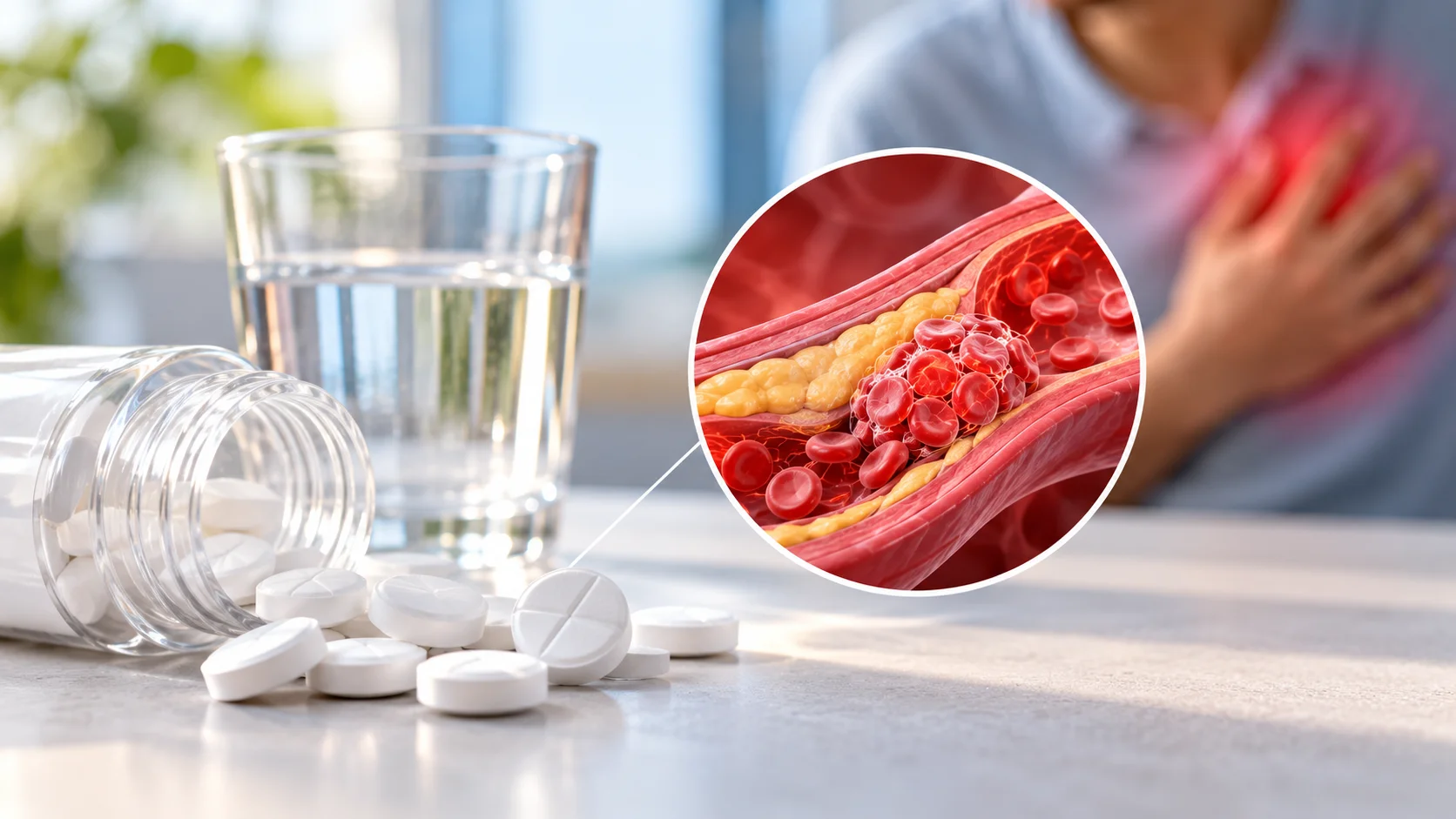
Aspirin is generally used to relieve mild to moderate pain, reduce fever, and reduce inflammation. At different levels of use, it's also recognized for its role in reducing the tendency of blood to clot, which is why it's often discussed separately in the context of cardiovascular health.
How It Works
Like ibuprofen, aspirin works by inhibiting cyclooxygenase, or COX, enzymes, reducing the production of prostaglandins involved in pain, inflammation, and fever. What makes aspirin distinct is that it also irreversibly blocks a related pathway involved in platelet function, the small blood cell fragments responsible for clotting, which is the basis for its antiplatelet properties.
History and Regulatory Status
Aspirin has one of the longest histories of any modern medicine, with its active compound related to salicin, a substance found in willow bark used for pain relief since ancient times. The synthesized, stabilized form of the drug was developed by a German pharmaceutical company in the late 19th century and was one of the first medicines mass-produced and marketed globally. Its use expanded further in the latter half of the 20th century once its antiplatelet properties were understood. Today, aspirin is available over the counter in most countries and remains one of the most studied medicines in existence.