What They Do
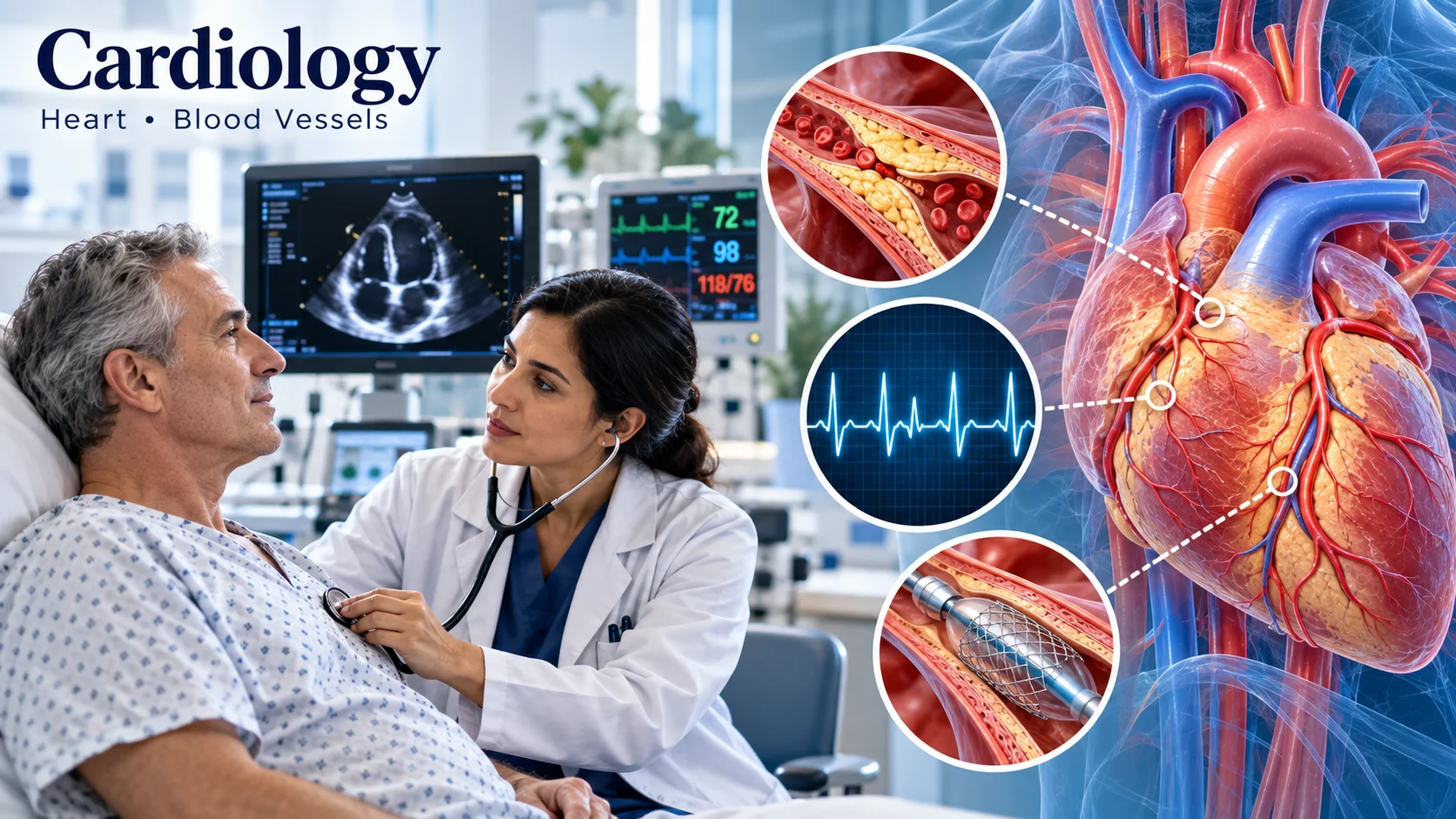
A cardiologist is a physician who specializes in diagnosing and managing conditions affecting the heart and blood vessels. Cardiology is a medical, non-surgical specialty, meaning cardiologists generally manage heart conditions through diagnosis, medication, and non-surgical procedures, referring patients to a cardiac surgeon when surgery is needed.
What They Treat
Cardiologists commonly manage conditions such as coronary artery disease, high blood pressure, heart failure, irregular heart rhythms like atrial fibrillation, and valve-related heart conditions. They also perform and interpret diagnostic tests related to the heart, including ECGs, echocardiograms, and stress tests, and many perform procedures such as angiography and angioplasty to assess or open narrowed arteries.
Training Path
Becoming a cardiologist generally requires completing a medical degree, followed by specialized postgraduate training in internal medicine, and further subspecialty training specifically in cardiology. Some cardiologists pursue additional focused training in areas such as interventional cardiology, which centers on catheter-based procedures, or electrophysiology, which focuses specifically on heart rhythm disorders.
When to See One
People are commonly referred to a cardiologist for symptoms such as chest discomfort, palpitations, shortness of breath, or unexplained fatigue, or as part of managing risk factors like high blood pressure or high cholesterol. Many people also see a cardiologist for preventive evaluation, particularly if they have a family history of heart disease or other relevant risk factors.
Background
Cardiology developed as a distinct medical specialty over the course of the 20th century, growing alongside major advances in diagnostic tools like the ECG and echocardiography, and later, catheter-based procedures that allowed many heart conditions to be treated without open surgery. Today it remains one of the most active areas of medical research and technological development, given how common cardiovascular disease is worldwide.