What It Is
Coronary artery disease is a condition in which the blood vessels supplying the heart muscle, called coronary arteries, become narrowed or blocked. It's one of the most common heart conditions worldwide.
How It Develops
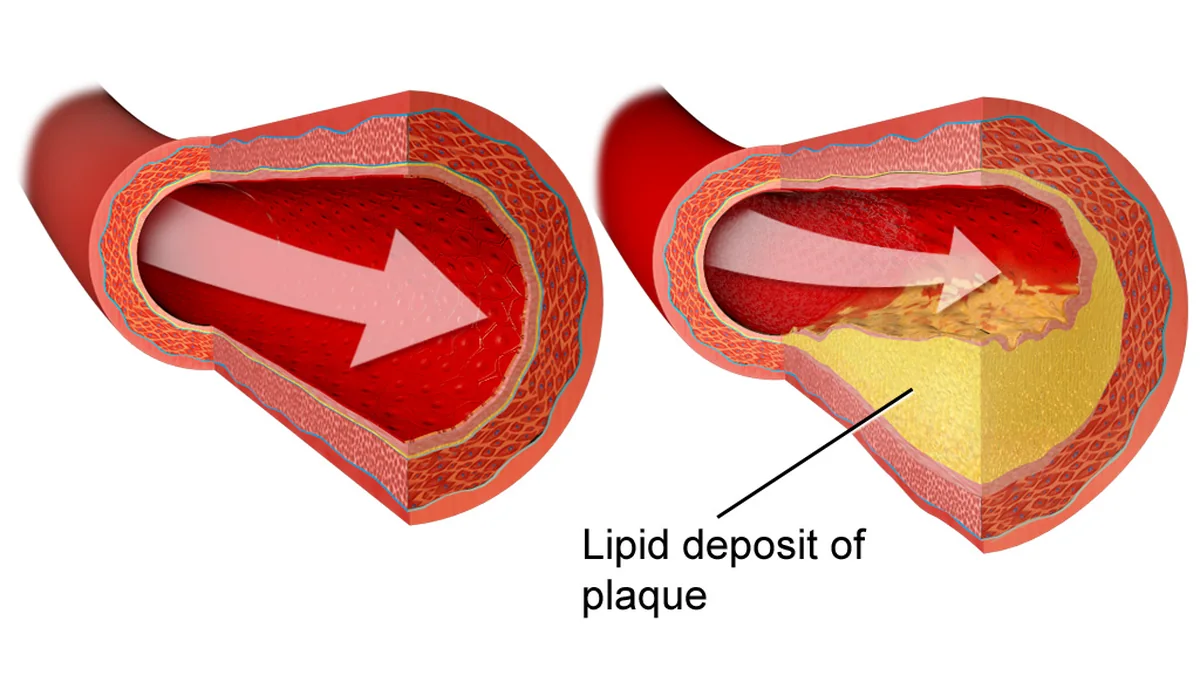
CAD develops gradually, over years, as fatty deposits, cholesterol, and other substances build up along the inner walls of the coronary arteries, forming what's known as plaque. This buildup, called atherosclerosis, gradually narrows the arteries, reducing blood flow to the heart muscle. Over time, plaque can also become unstable and rupture, which can trigger a sudden blood clot that blocks the artery further or completely.
General Symptoms
CAD may not cause noticeable symptoms in its early stages. As the arteries narrow further, common symptoms can include chest discomfort or pain, often described as pressure or tightness, particularly during physical activity or stress; shortness of breath; and fatigue. Some people experience no clear symptoms until a more serious event, such as a heart attack, occurs.
General Treatment Approaches
Management of CAD generally involves a combination of lifestyle changes, such as adjustments to diet, physical activity, and smoking cessation, alongside medications aimed at reducing risk factors like high cholesterol and high blood pressure, and medications that help the heart work more efficiently or reduce clotting risk. In more advanced cases, procedures to restore blood flow, such as angioplasty with stent placement or bypass surgery, may be used. The specific approach depends heavily on the individual case and is determined by a treating physician.
Background
Atherosclerosis and its connection to heart disease became a major focus of medical research in the 20th century, as large-scale population studies identified key risk factors involved in its development. This research has shaped much of modern cardiovascular prevention and treatment, and CAD remains one of the most extensively studied conditions in medicine today.