What It Is
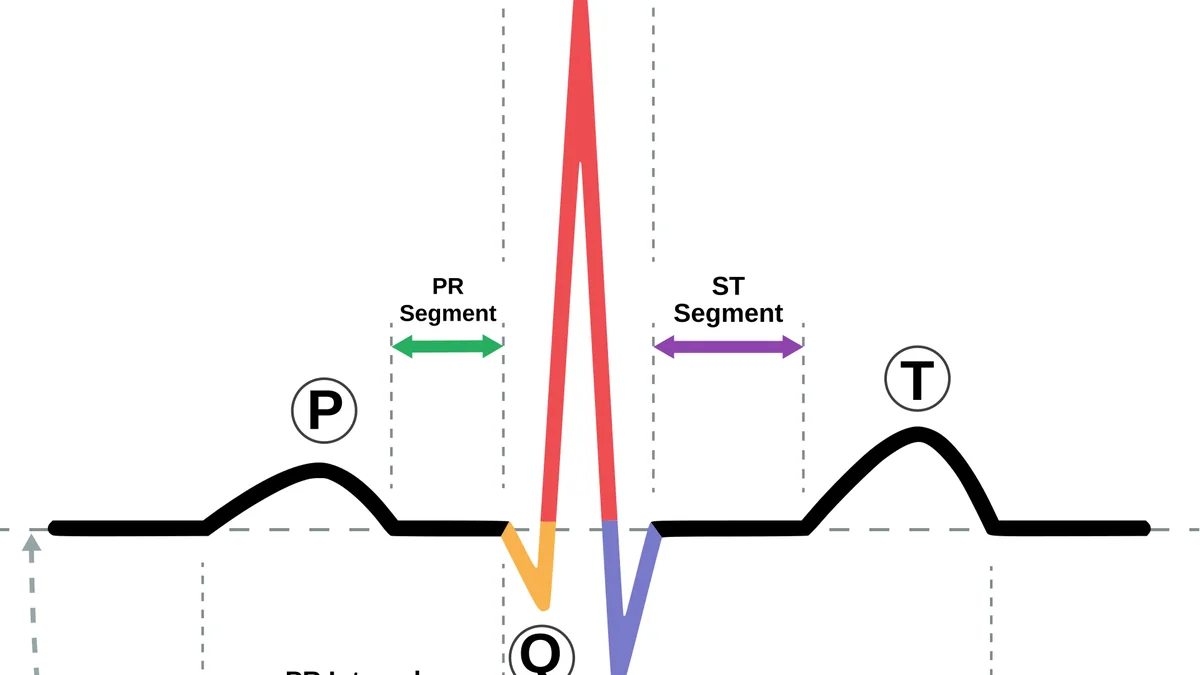
An electrocardiogram, commonly abbreviated as ECG or EKG, is a test that records the electrical activity of the heart as it beats.
What It Checks
The heart generates small electrical signals with every beat, which coordinate the contraction of its different chambers. An ECG detects and records these signals from the surface of the skin, producing a graph that reflects the heart's rhythm and the timing of its electrical activity. This can reveal information about heart rate, rhythm patterns, and the general pattern of electrical conduction through the heart.
Why It's Used
An ECG is commonly used as part of general health evaluations, to investigate symptoms such as chest discomfort or a noticeably irregular heartbeat, and to monitor heart activity during various medical procedures or evaluations.
How It's Done
During an ECG, a series of small electrode patches are placed on the skin, typically on the chest, arms, and legs. These electrodes detect the heart's electrical activity, which is then transmitted to a machine that records it as a graph, usually completed within just a few minutes and involving no discomfort, since the electrodes only detect signals rather than sending any electrical current into the body.
Background
The first practical method for recording the heart's electrical activity from the body's surface was developed by a Dutch physiologist in the early 20th century, an innovation that later earned him a Nobel Prize. Early ECG machines were large and required specialized setups, but the technology became progressively smaller, faster, and more accessible over the following decades. Today, ECG is one of the most widely available and frequently performed tests related to heart health, found in settings ranging from hospitals to routine outpatient clinics.