
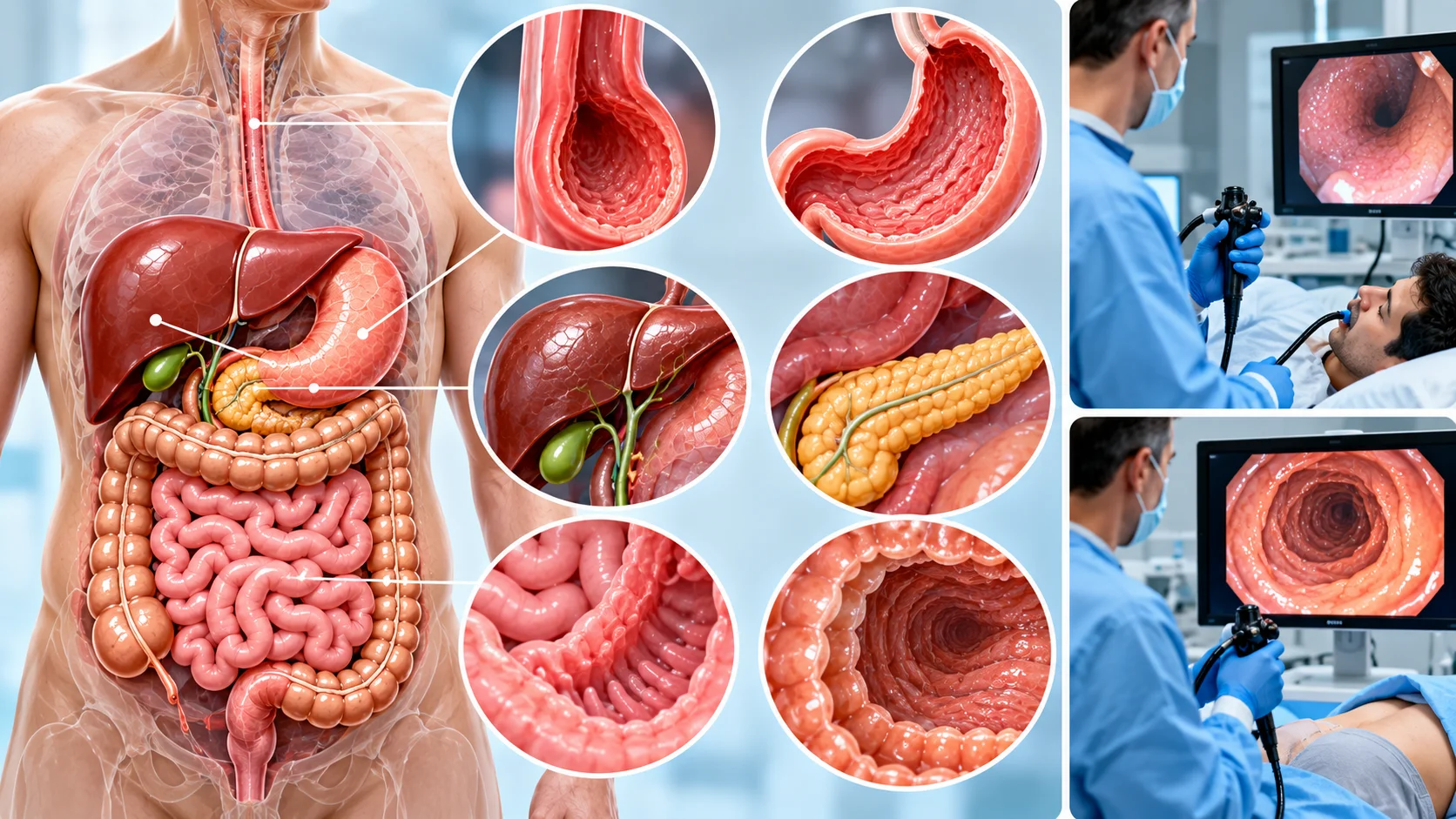
What They Do
A gastroenterologist is a physician who specializes in diagnosing and medically managing conditions affecting the digestive system, including the esophagus, stomach, intestines, liver, pancreas, and gallbladder. Gastroenterology is primarily a medical specialty, though gastroenterologists also perform certain procedures, such as endoscopy and colonoscopy.
What They Treat
Gastroenterologists manage a wide range of digestive conditions, including acid reflux, ulcers, inflammatory bowel disease, liver disease, and issues affecting the pancreas and gallbladder. They also play a central role in colorectal cancer screening through colonoscopy, and in diagnosing and managing various causes of digestive symptoms such as abdominal pain, bloating, and changes in bowel habits.
Training Path
Becoming a gastroenterologist requires completing a medical degree, followed by residency training in internal medicine, and then additional specialized fellowship training specifically in gastroenterology. This additional training includes both the medical management of digestive conditions and the technical skills needed to perform procedures like endoscopy and colonoscopy.
When to See One
People are commonly referred to a gastroenterologist for persistent digestive symptoms, such as ongoing acid reflux, unexplained abdominal pain, changes in bowel habits, or blood in the stool. Gastroenterologists are also commonly involved in routine colorectal cancer screening for people reaching a certain age, and in ongoing management of chronic digestive conditions like inflammatory bowel disease or liver disease.
Background
Gastroenterology developed as a distinct medical specialty over the course of the 20th century, growing considerably alongside the development of endoscopic technology, which allowed physicians to directly visualize the inside of the digestive tract for the first time rather than relying solely on external examination and indirect testing. This technology transformed both diagnosis and treatment within the field and remains central to how gastroenterologists practice today.