What It Is
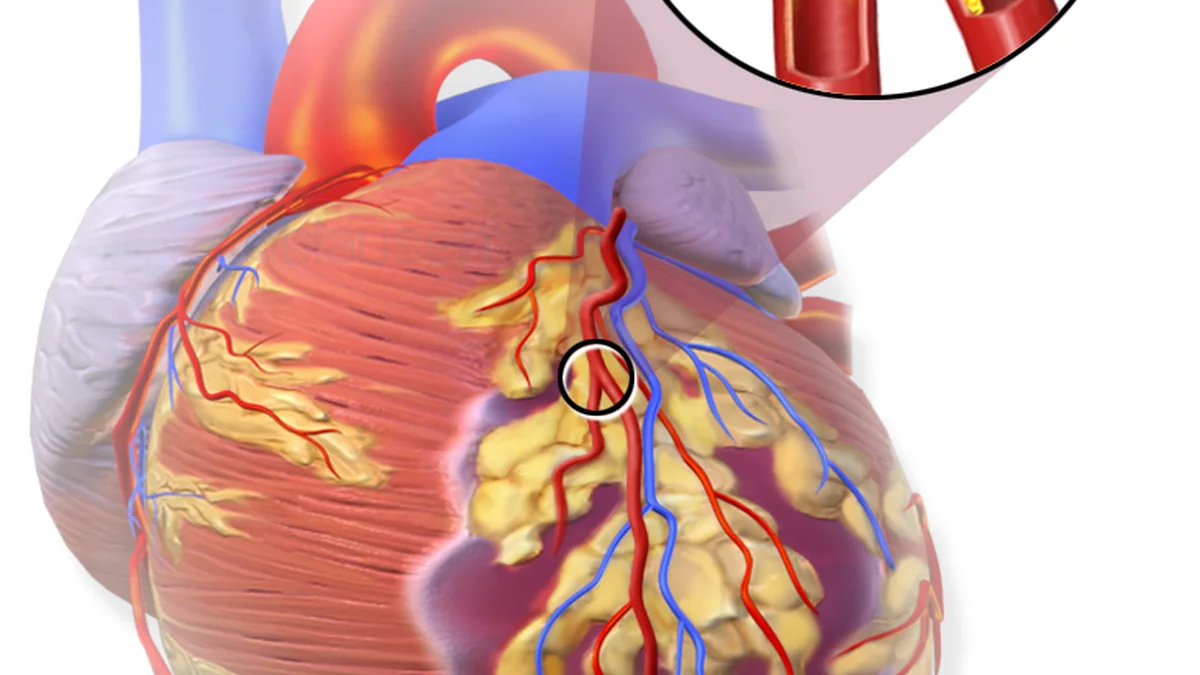
A heart attack, medically known as a myocardial infarction, occurs when blood flow to a part of the heart muscle is suddenly blocked, preventing that portion of the heart from receiving the oxygen it needs.
How It Develops
A heart attack most commonly occurs when plaque built up inside a coronary artery, often related to underlying coronary artery disease, ruptures or becomes unstable. This can trigger the rapid formation of a blood clot at the site, which can suddenly and severely block blood flow through the artery. Without adequate blood flow, the affected area of heart muscle begins to be damaged within a short period of time.
General Symptoms
Common symptoms of a heart attack include chest pain or discomfort, often described as pressure, squeezing, or tightness, which may spread to the arm, jaw, neck, or back. Other symptoms can include shortness of breath, cold sweat, nausea, lightheadedness, and unusual fatigue. Symptoms can vary considerably between individuals, and some people experience less typical or more subtle symptoms.
General Treatment Approaches
A heart attack is a medical emergency requiring immediate attention. Initial treatment generally focuses on restoring blood flow to the affected part of the heart as quickly as possible, commonly through procedures such as angioplasty, sometimes combined with stent placement, or through clot-dissolving medications in certain circumstances. Following the acute event, ongoing treatment typically includes medications to support heart function and reduce the risk of future events, along with lifestyle changes and, in some cases, cardiac rehabilitation programs.
Background
Understanding of heart attacks advanced considerably over the 20th century, as researchers clarified the role of coronary artery blockages and blood clots in causing sudden heart muscle damage. This understanding led to major treatment advances, particularly the development of rapid intervention techniques designed to restore blood flow as quickly as possible, which have significantly improved outcomes for people experiencing a heart attack.