What It Is
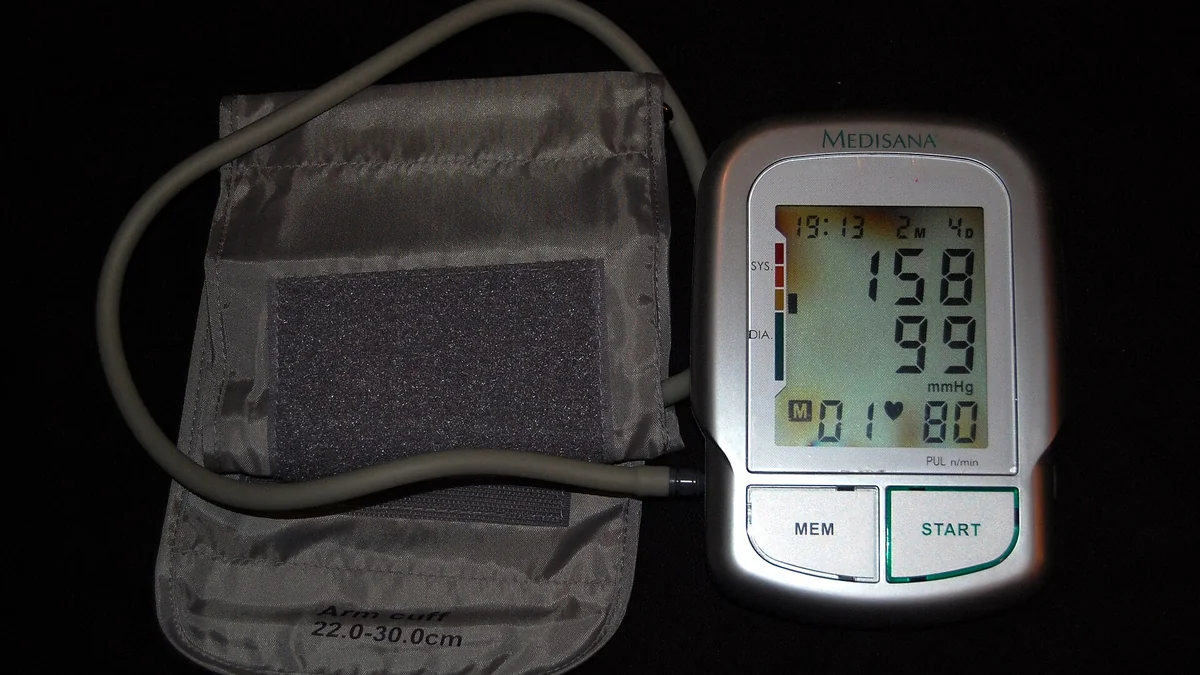
Hypertensive heart disease refers to a group of heart-related problems that develop as a result of long-standing high blood pressure, also known as hypertension.
How It Develops
When blood pressure remains elevated over a long period, the heart has to work harder than normal to pump blood against this increased resistance. Over time, this extra workload can cause the heart muscle, particularly the wall of the heart's main pumping chamber, to thicken, a change that can eventually make the heart less efficient. Prolonged high blood pressure can also contribute to damage in the coronary arteries and affect the heart's overall pumping ability over time.
General Symptoms
In its earlier stages, hypertensive heart disease often causes no noticeable symptoms, which is part of why high blood pressure itself is sometimes described as a largely silent condition. As the condition progresses, symptoms can begin to resemble those of related heart problems, including shortness of breath, fatigue, and, in more advanced cases, symptoms consistent with heart failure, such as swelling in the legs or abdomen.
General Treatment Approaches
Treatment centers on managing blood pressure effectively, generally through a combination of lifestyle changes, such as dietary adjustments, regular physical activity, and reduced salt intake, along with medications used to lower blood pressure. If the heart muscle has already been affected, additional treatment approaches aimed at supporting heart function may also be used, tailored to the specific changes present.
Background
The relationship between high blood pressure and heart-related complications became clearer over the course of the 20th century, particularly through large, long-term population studies that tracked cardiovascular outcomes over many years. This research helped establish blood pressure management as a central focus of cardiovascular prevention, and hypertensive heart disease remains a widely recognized and closely studied condition in cardiology today.