What It Is
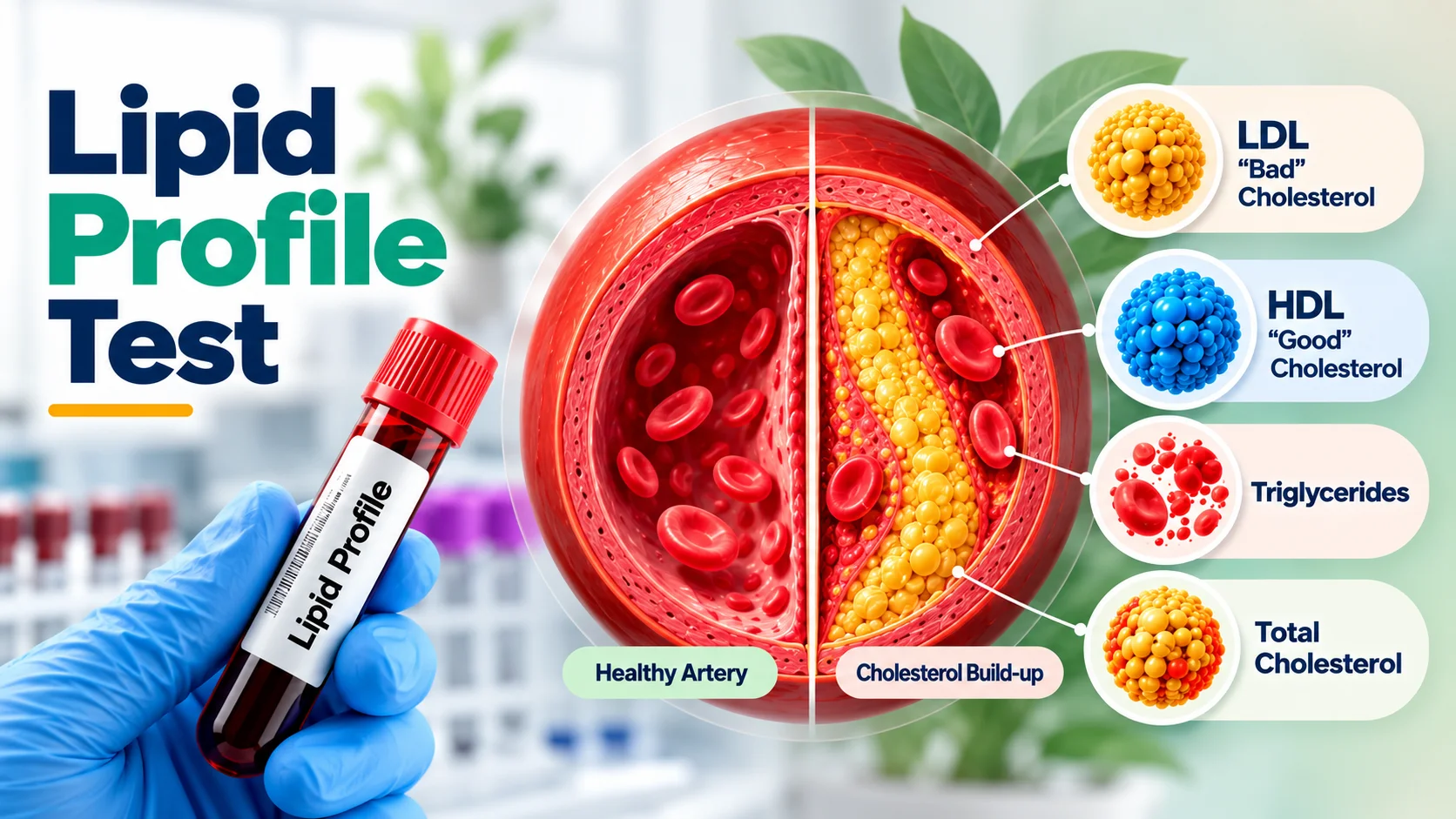
A lipid profile, sometimes called a lipid panel, is a blood test that measures the different types of fats, or lipids, circulating in the bloodstream.
What It Checks
A standard lipid profile typically measures total cholesterol, along with its main components: LDL cholesterol, often referred to as "bad" cholesterol, and HDL cholesterol, often referred to as "good" cholesterol. It also usually measures triglycerides, another type of fat found in the blood. Together, these measurements give a broad picture of how fats are being carried and processed in the bloodstream.
Why It's Used
A lipid profile is commonly used as part of routine health checkups, since cholesterol and triglyceride levels are relevant to long-term cardiovascular health. It's often repeated periodically to track changes over time, particularly for people with risk factors related to heart health.
How It's Done
A lipid profile requires a blood sample drawn from a vein, usually in the arm. Many lipid profiles are traditionally done after a period of fasting, since eating can temporarily affect some of the measured values, though testing approaches have evolved over time regarding how strictly fasting is required.
Background
The link between blood cholesterol and cardiovascular health became an area of active medical research in the mid-20th century, as large population studies began identifying associations between lipid levels and heart disease. As understanding of different cholesterol types, including the distinction between LDL and HDL, developed further in subsequent decades, laboratory testing evolved to measure these individual components separately, forming the multi-part lipid profile now used routinely in healthcare settings worldwide.