Liposuction is a cosmetic surgical procedure that removes stubborn fat deposits from specific areas of the body to improve shape and proportion. It is a body-contouring treatment, not a weight-loss method or a cure for obesity.
Common treatment areas
Common areas include the abdomen, waist and flanks, thighs, hips, buttocks, upper arms, back, chin and neck. It may also be used to reduce enlarged male breast tissue (gynaecomastia).
Who it may suit
It may suit adults close to a stable, healthy weight who have firm, elastic skin and localised fat that has not responded to diet and exercise. Good general health and realistic expectations are important.
When it may not be suitable
It may not be suitable for people with significant obesity, loose or sagging skin, poorly controlled diabetes, heart disease, blood-clotting problems, or those who smoke. Loose skin may need a tummy tuck or a skin-tightening procedure instead.
How the procedure is done
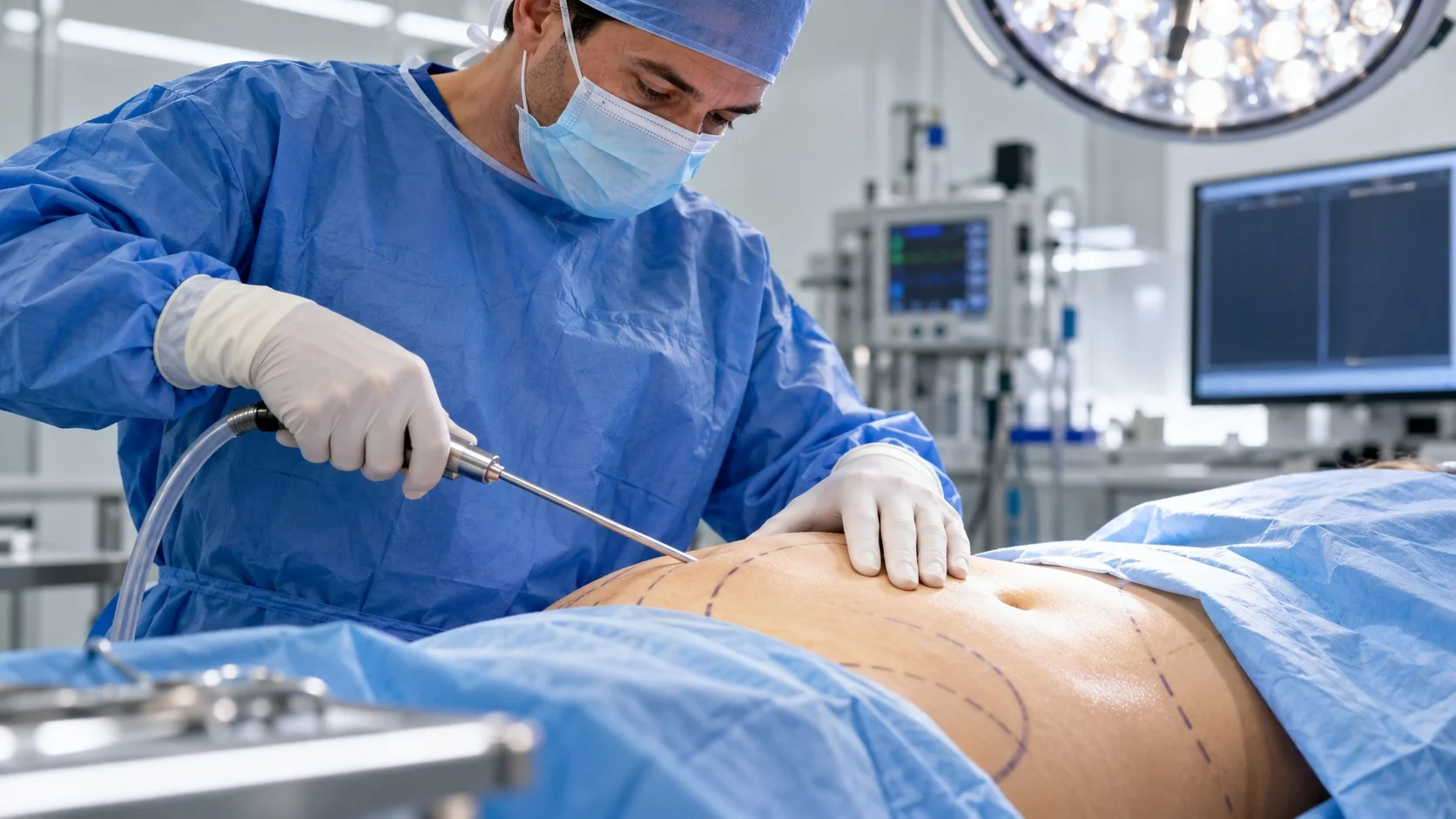
A tumescent solution of saline, local anaesthetic and adrenaline is injected to numb the area and reduce bleeding. A surgeon then inserts a thin tube called a cannula through small incisions and suctions out fat. Variations include power-assisted, ultrasound-assisted (VASER) and laser-assisted liposuction. It may be done under local or general anaesthesia and usually takes one to four hours.
Recovery and results
Swelling, bruising and soreness are common. A compression garment is usually worn for several weeks. Many people return to desk work within a few days to a week and exercise in four to six weeks. Final results can take three to six months as swelling settles.
Removed fat cells do not return, but weight gain can enlarge remaining fat cells in treated or untreated areas. A healthy diet and regular exercise remain important. Liposuction does not remove cellulite or tighten loose skin.
Risks
Possible risks include contour irregularities, numbness, fluid collection, infection, scarring and skin discolouration. Rare but serious complications include blood clots, fat embolism, internal-organ injury, and anaesthesia or fluid-balance complications. Risk rises when large volumes are removed or several procedures are combined.
Cost and choosing a surgeon
Liposuction is cosmetic and is generally not covered by health insurance. Cost varies by the number of areas, technique, surgeon and city. Choose a qualified plastic or cosmetic surgeon with specific liposuction experience who operates in an accredited facility with anaesthesia and emergency support. Discuss realistic outcomes and ask to see relevant before-and-after photographs.
Alternatives
Non-surgical fat reduction, including cryolipolysis, radiofrequency, HIFU and injectable fat-dissolving treatments, may suit small fat pockets but usually provide more modest results. A tummy tuck may suit loose skin and weakened abdominal muscles.
Medical disclaimer: This article is for general information and does not replace advice from a qualified medical professional. Consult a qualified plastic surgeon to decide whether liposuction is appropriate for you.