What They Do
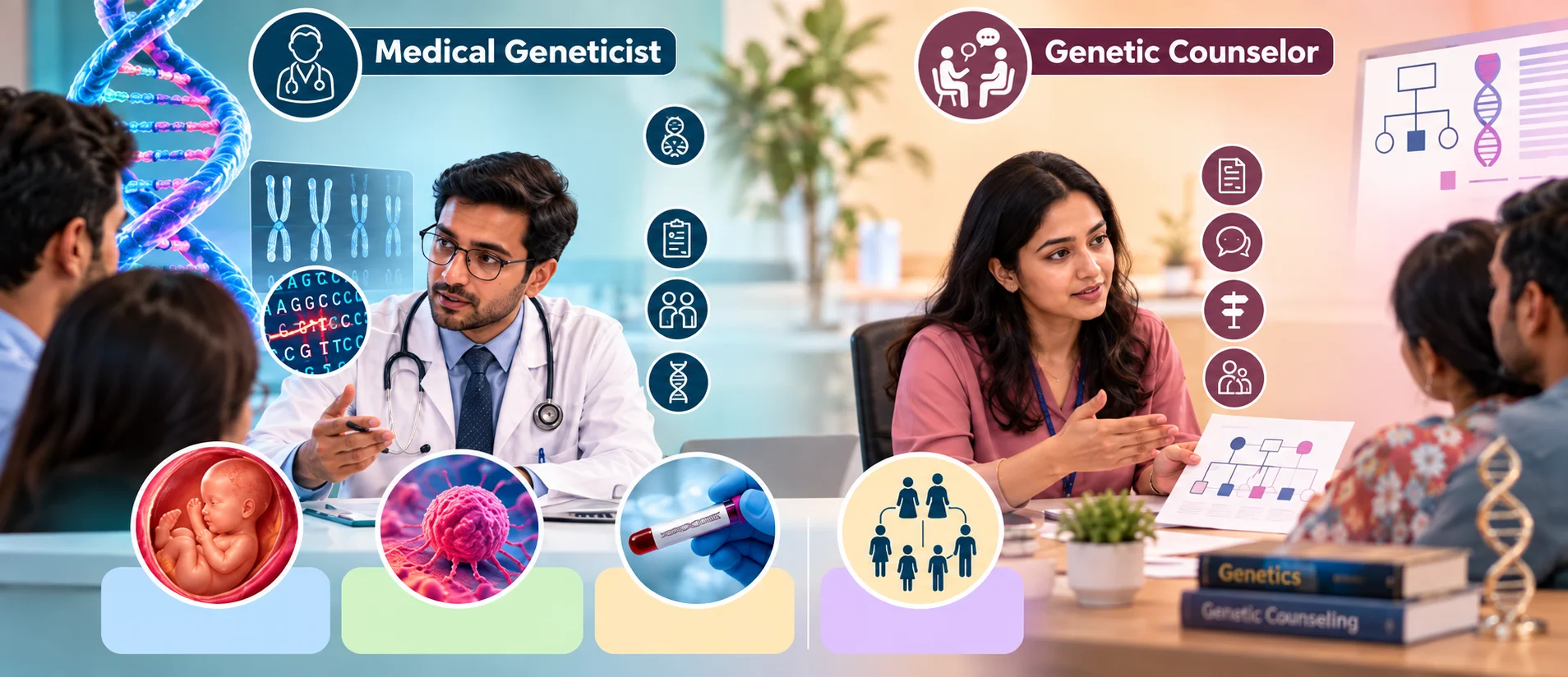
A medical geneticist is a physician who specializes in diagnosing and managing conditions caused by genetic factors, while a genetic counselor is a specially trained healthcare professional who helps individuals and families understand genetic information and its implications, often working closely alongside a medical geneticist.
What They Do in Practice
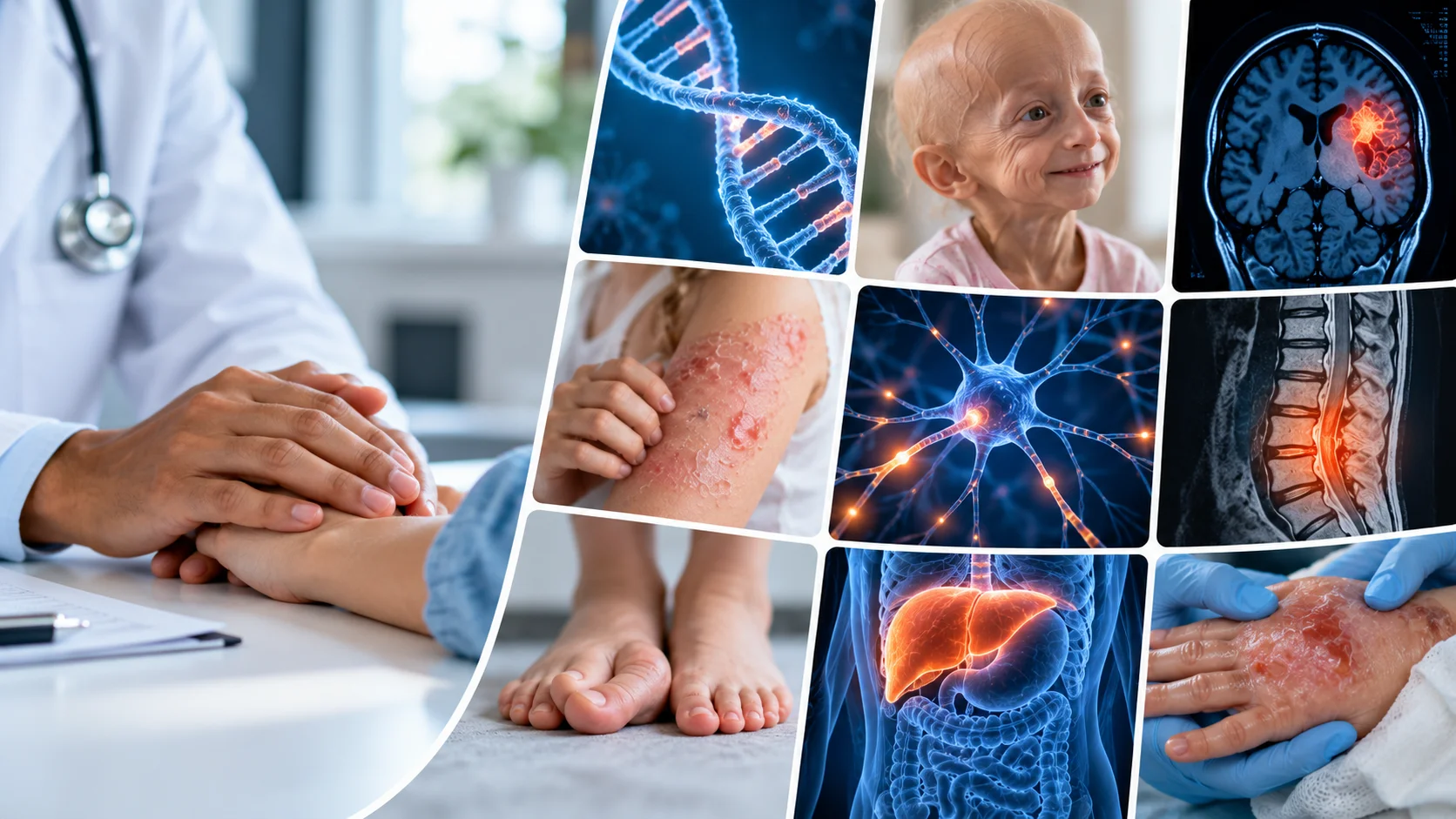
Medical geneticists evaluate and diagnose conditions that have a genetic basis, which can include certain conditions present from birth, as well as genetic factors that influence risk for certain conditions later in life. Genetic counselors focus specifically on helping patients and families understand genetic test results, the implications of a genetic diagnosis, and the associated risks for other family members, providing guidance to support informed decision-making.
Training Path
Becoming a medical geneticist requires completing a medical degree, followed by residency training, and then additional specialized fellowship training specifically in medical genetics. Becoming a genetic counselor typically requires a dedicated graduate degree in genetic counseling, along with supervised clinical training and, in most countries, a certification process specific to the profession, though this path doesn't require a full medical degree.
When to See One
People are commonly referred to a medical geneticist or genetic counselor when a genetic condition is suspected based on symptoms, family history, or the results of genetic testing, or when planning a pregnancy with a known or suspected genetic risk factor. These specialists often work closely together, with the geneticist focused on diagnosis and medical management, and the counselor focused on helping patients understand and navigate the information involved.
Background
Medical genetics developed as a distinct clinical field over the course of the 20th century, growing considerably following major advances in understanding the structure of DNA and how specific genetic changes relate to particular health conditions. Genetic counseling emerged as its own related profession around the same broader period, recognizing that patients and families often needed dedicated support to understand the increasingly complex genetic information becoming available through medical testing.