
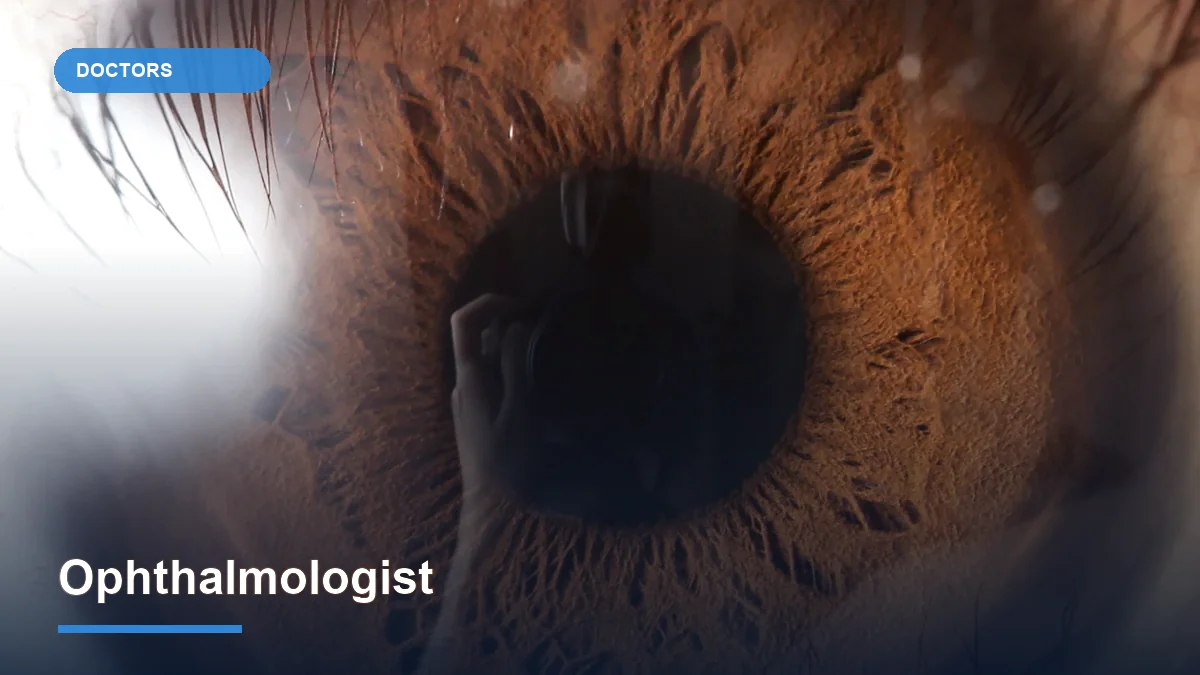
What They Do
An ophthalmologist is a physician who specializes in the diagnosis, medical treatment, and surgical treatment of conditions affecting the eyes and vision. Ophthalmologists are distinct from optometrists, who provide vision testing and prescribe corrective lenses but generally don't perform surgery or treat more complex medical eye conditions.
What They Treat
Ophthalmologists manage a broad range of eye conditions, including cataracts, glaucoma, retinal conditions, and various causes of vision changes. They perform eye examinations, prescribe corrective lenses, treat eye infections and injuries, and perform surgical procedures such as cataract surgery, and, depending on their specific area of focus, more specialized procedures involving the retina or cornea.
Training Path
Becoming an ophthalmologist requires completing a medical degree, followed by residency training specifically in ophthalmology, which covers both medical and surgical eye care. Many ophthalmologists go on to complete further fellowship training in a specific subspecialty, such as retinal disease, glaucoma, pediatric ophthalmology, or corneal surgery.
When to See One
People commonly see an ophthalmologist for routine eye examinations, particularly as they age, given how common certain eye conditions become over time, as well as for specific symptoms such as sudden vision changes, eye pain, or visible changes to the eye. Regular ophthalmologic checkups are also commonly recommended for people with conditions like diabetes, which can affect the eyes over time.
Background
Ophthalmology is one of the older recognized medical specialties, with dedicated eye hospitals and specialized training in eye care developing as early as the 19th century. The field has advanced considerably since then, particularly with the development of microsurgical techniques in the 20th century, which transformed procedures like cataract surgery into some of the most commonly performed and highly refined surgical procedures in medicine today.