What It Is
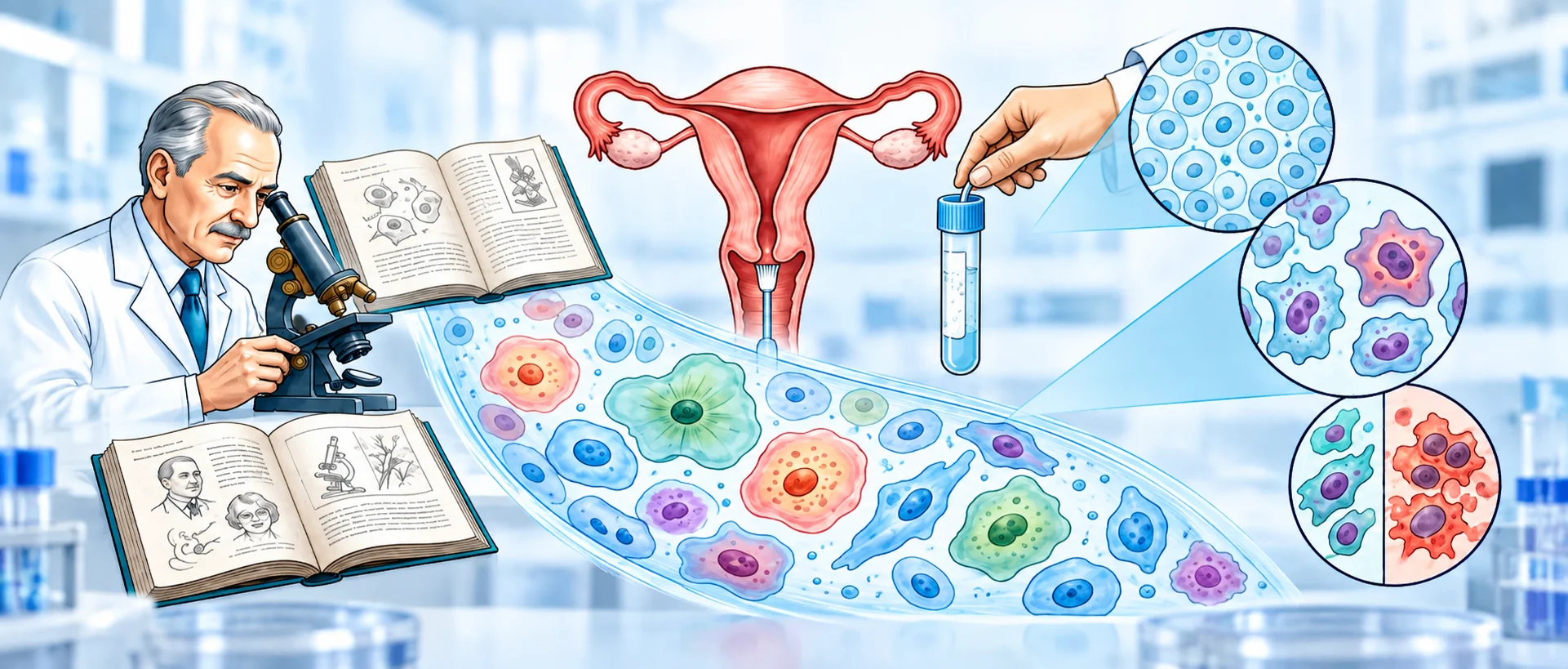
A Pap smear, also known as a Pap test, is a screening test that examines cells collected from the cervix, helping detect abnormal cell changes at an early stage.
What It Checks
A Pap smear allows examination of cervical cells under a microscope, looking for abnormal changes that could indicate an increased risk of cervical cancer developing, allowing such changes to potentially be identified and addressed well before cancer would develop.
Why It's Used
A Pap smear is commonly used as a routine screening tool for cervical health, generally recommended at regular intervals starting from a certain age, as part of preventive women's health care.
How It's Done
During a Pap smear, a small brush or spatula is used to gently collect a sample of cells from the surface of the cervix, during an examination similar to a routine gynecological exam. The collected cells are then sent to a laboratory, where they're examined under a microscope for any abnormal changes.
Background
The Pap smear is named after a Greek physician who developed the technique in the 1920s and 1930s, discovering that examining cervical cells under a microscope could reveal early, pre-cancerous changes well before symptoms would otherwise appear. Widespread adoption of Pap smear screening over the following decades led to a significant decline in cervical cancer rates in many countries, and it remains a cornerstone of preventive women's health screening today.