
What They Do
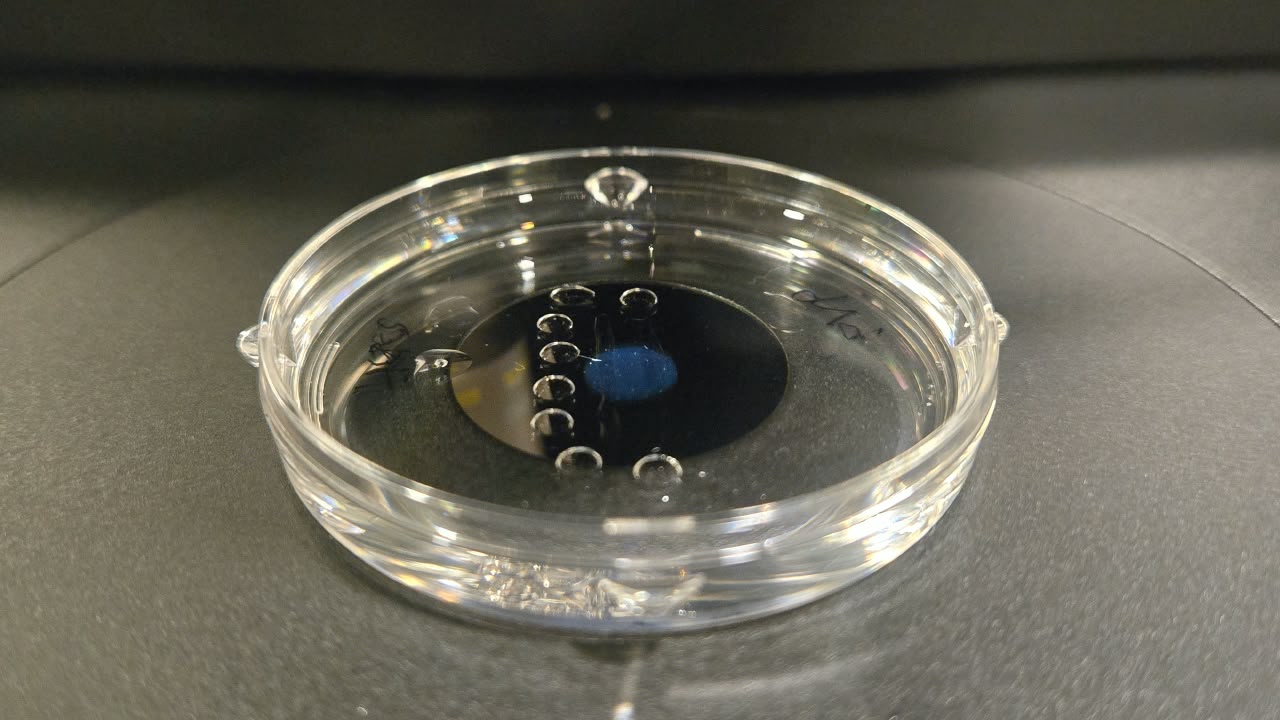
A pathologist is a physician who specializes in diagnosing disease through the examination of tissue, blood, and other bodily samples, typically under a microscope or through laboratory analysis. Like radiologists, pathologists generally work behind the scenes, providing diagnostic information that guides the care provided by other physicians.
What They Do in Practice
Pathologists examine tissue samples obtained through biopsies or surgery to determine whether disease, such as cancer, is present, and if so, to characterize it in detail. They also oversee and interpret a wide range of laboratory tests performed on blood and other samples. Some pathologists further subspecialize in a specific area, such as examining tissue samples in detail, or focusing more specifically on blood-related laboratory testing.
Training Path
Becoming a pathologist requires completing a medical degree, followed by dedicated residency training specifically in pathology, covering both the microscopic examination of tissue and the broader interpretation of laboratory testing. Many pathologists pursue further fellowship training focused on a specific type of tissue or disease category.
When Patients Interact With One
Most patients don't meet directly with a pathologist, since this specialty primarily involves examining samples rather than direct patient care. However, the pathologist's diagnosis, such as confirming whether a biopsy shows cancer, often plays a central role in shaping the treatment plan a patient receives from their treating physician.
Background
Pathology developed as a distinct medical field alongside the growth of microscopy in the 19th century, which allowed physicians to examine tissue at a cellular level for the first time and connect specific microscopic changes to particular diseases. The field expanded considerably over the 20th century with advances in laboratory testing and diagnostic technology, and pathologists today play a foundational role in confirming diagnoses across nearly every area of medicine.