PCOD, more commonly known in medical literature as polycystic ovary syndrome (PCOS), is one of the most common hormonal disorders in women of reproductive age. The World Health Organization estimates that it affects around 8 to 13 percent of women in this age group, and that up to 70 percent of those affected remain undiagnosed.
PCOD or PCOS?
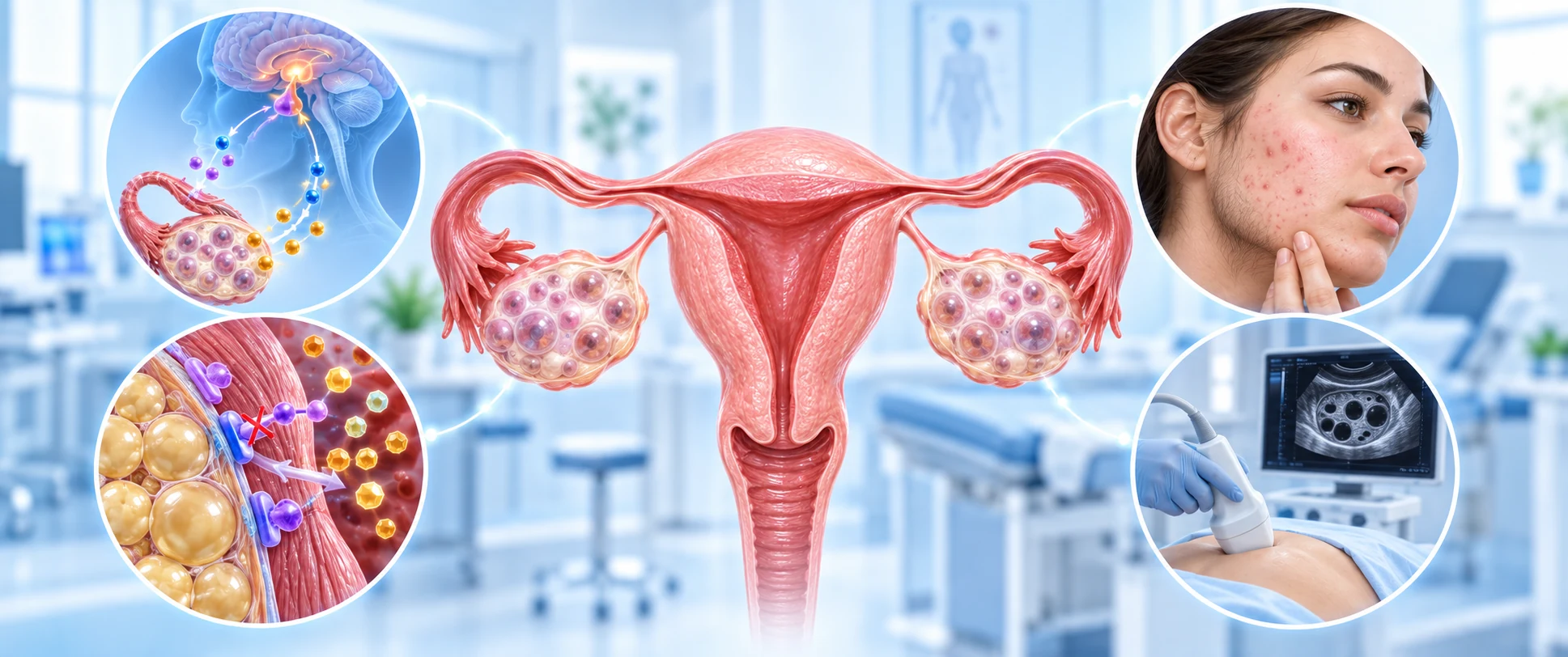
The two terms are often used interchangeably. Some sources describe PCOD as a milder condition, but this distinction is not recognised in international guidelines, which use the term PCOS. Despite its name, the condition is not simply about cysts on the ovaries. It is a hormonal and metabolic disorder that affects the whole body. The "cysts" are actually small follicles, immature eggs that did not develop and release as they normally would.
What Causes It?
The exact cause is not known, but several factors play a role.
Hormonal imbalance. Women with PCOS often have higher levels of androgens, sometimes called "male hormones," which interfere with ovulation.
Insulin resistance. Many women with PCOS, including those who are not overweight, have cells that respond poorly to insulin. The body compensates by producing more insulin, which in turn stimulates the ovaries to produce more androgens.
Genetics. PCOS tends to run in families.
Inflammation. Low-grade chronic inflammation is common in PCOS and may contribute to higher androgen levels.
Symptoms
Symptoms vary widely from one woman to another and often begin around the time of the first period, though some women develop them later. Common signs include:
- irregular, infrequent or absent periods
- excess hair growth on the face, chest or back (hirsutism)
- acne and oily skin
- thinning hair on the scalp
- weight gain or difficulty losing weight
- darkened, velvety patches of skin in body folds such as the neck or armpits (acanthosis nigricans)
- difficulty getting pregnant
Diagnosis
There is no single test for PCOS. Most doctors use the Rotterdam criteria, which require at least two of the following three features after other causes have been ruled out:
- irregular or absent ovulation, usually seen as irregular periods
- signs of high androgen levels, either through symptoms such as excess hair growth or through blood tests
- polycystic ovaries seen on ultrasound (in adults, a blood test for anti-Müllerian hormone may be used instead)
Doctors may also order blood tests to check thyroid function, prolactin, blood sugar and cholesterol, since these help rule out other conditions and assess metabolic risk.
Long-Term Health Risks
PCOS is not only a reproductive condition. Without management, it raises the risk of:
- type 2 diabetes and gestational diabetes
- high cholesterol and high blood pressure
- heart disease
- endometrial cancer, due to infrequent shedding of the uterine lining
- sleep apnoea
- anxiety and depression
Treatment
There is no cure for PCOS, but symptoms and long-term risks can be managed effectively. Treatment depends on a woman's symptoms and whether she wants to become pregnant.
Lifestyle changes. A balanced diet and regular physical activity are the foundation of treatment. For women who are overweight, losing even 5 to 10 percent of body weight can improve insulin sensitivity, regulate periods and restore ovulation.
Regulating periods. Combined oral contraceptive pills are commonly used to regulate periods, reduce androgen levels and protect the uterine lining.
Managing insulin resistance. Metformin, a diabetes medicine, may be prescribed to improve insulin sensitivity.
Treating excess hair and acne. Anti-androgen medicines such as spironolactone can help, along with cosmetic treatments like laser hair removal.
Fertility treatment. For women trying to conceive, letrozole is now the first-line medicine to stimulate ovulation. Clomiphene and, in some cases, IVF are other options.
The Bottom Line
PCOS is common, manageable and often missed. Women with irregular periods, unexplained weight gain, excess hair growth or difficulty conceiving should speak to a doctor. Early diagnosis allows symptoms to be controlled and lowers the risk of diabetes, heart disease and other long-term complications.