
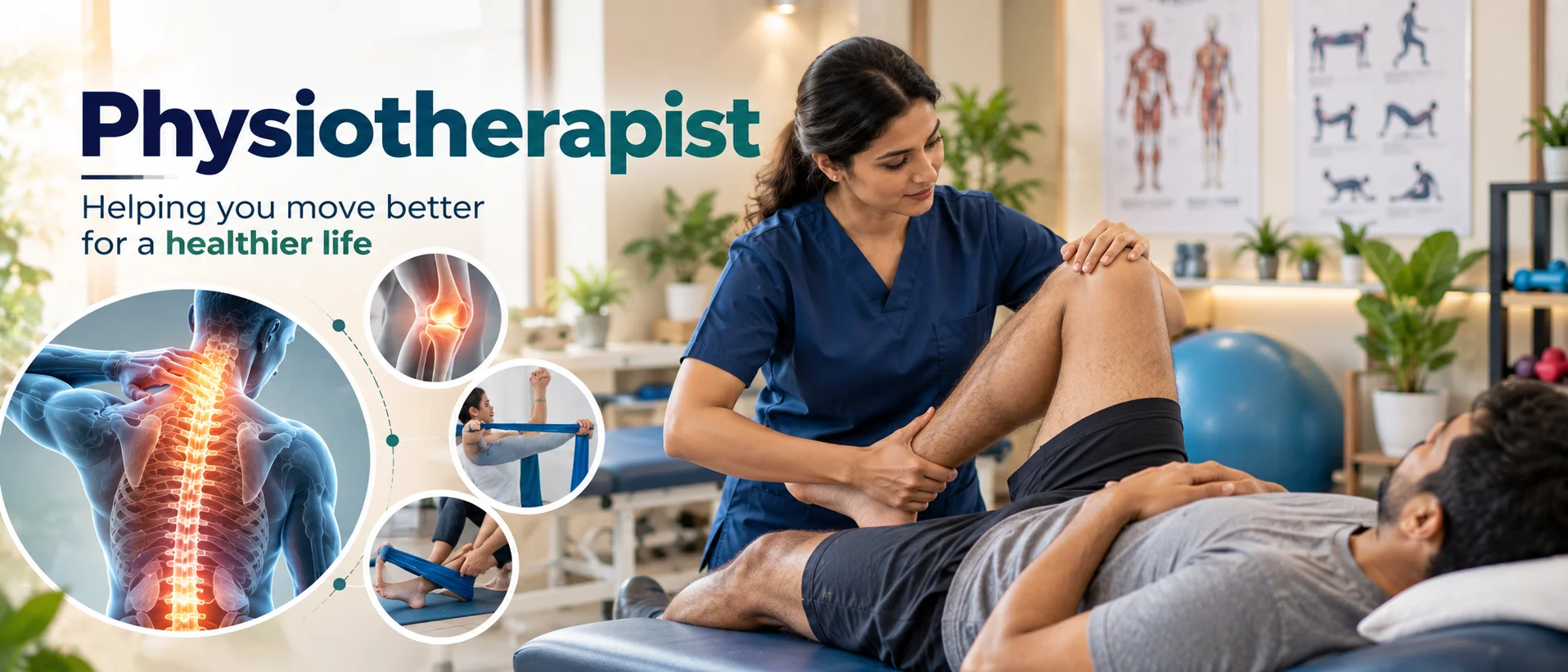
What They Do
A physiotherapist, also known as a physical therapist, specializes in helping people improve movement and physical function, often following injury, surgery, or as part of managing a chronic condition affecting mobility. Physiotherapy is generally a non-medical allied health field, meaning physiotherapists don't prescribe medication or perform surgery, focusing instead on movement-based treatment approaches.
What They Treat
Physiotherapists work with people recovering from injuries, surgery, or conditions affecting muscles, joints, and the nervous system, using targeted exercises, manual therapy techniques, and other movement-based approaches to restore function and reduce pain. They also work with people managing chronic conditions that affect mobility, and often play a central role in rehabilitation following major surgery, such as joint replacement.
Training Path
Becoming a physiotherapist requires completing a dedicated physiotherapy degree, which covers anatomy, movement science, and the range of therapeutic techniques used to help restore physical function. Some physiotherapists pursue further specialized training in a specific area, such as sports-related injuries, neurological rehabilitation, or pediatric physiotherapy.
When to See One
People commonly see a physiotherapist following an injury or surgery that affects movement, as part of managing chronic pain or a condition affecting mobility, or to address specific movement-related issues identified by another healthcare provider. Physiotherapists often work closely alongside physicians and surgeons as part of a broader care team, particularly during recovery from significant injuries or procedures.
Background
Physiotherapy developed as a distinct healthcare field in the early 20th century, growing significantly in response to the need to rehabilitate injured soldiers during and after major conflicts, as well as people affected by conditions like polio. The field has continued to expand considerably since then, incorporating a growing evidence base around exercise science and movement-based rehabilitation techniques across a wide range of conditions.