What It Is
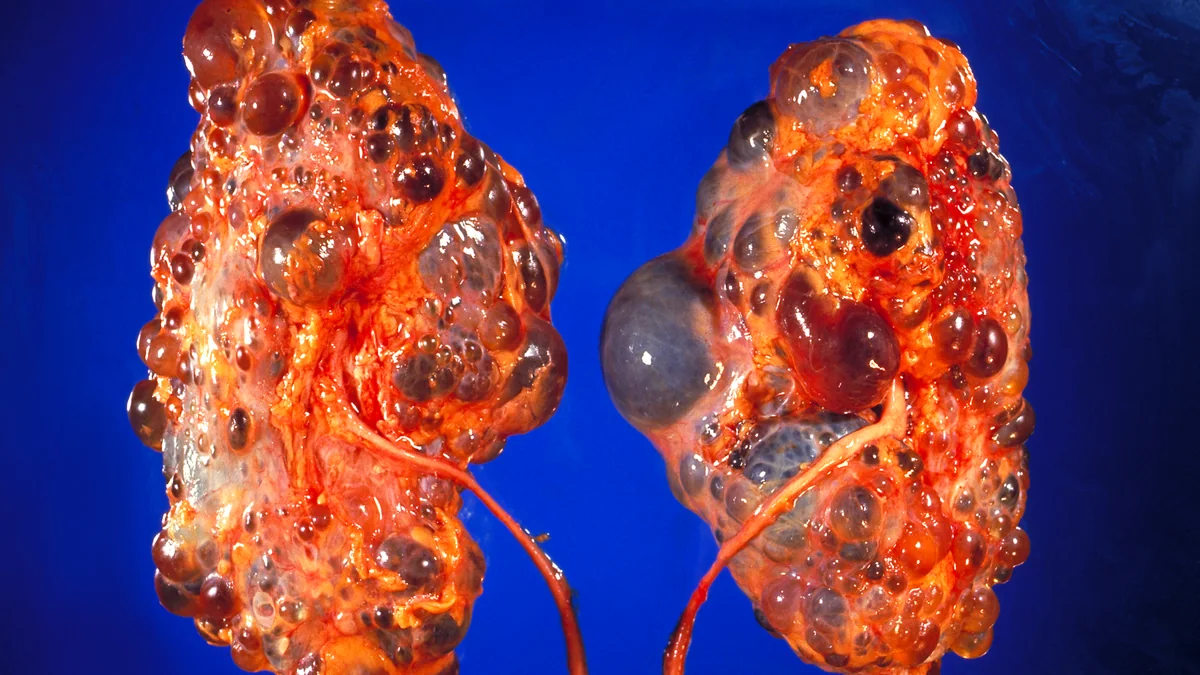
Polycystic kidney disease is a genetic condition in which numerous fluid-filled cysts develop within the kidneys, gradually enlarging them and affecting their function over time.
How It Develops
PKD results from inherited genetic changes that affect how kidney cells grow and develop, causing fluid-filled sacs, or cysts, to form gradually within the kidney tissue. Over time, these cysts can grow larger and increase in number, progressively taking up space normally occupied by healthy kidney tissue and enlarging the kidneys considerably compared to their normal size. This gradual process can eventually affect the kidneys' ability to filter blood effectively.
General Symptoms
Many people with PKD experience no symptoms for a considerable period, particularly in earlier stages. As cysts grow, common symptoms can include pain or discomfort in the back or sides, high blood pressure, and, in some cases, blood in the urine. Because the kidneys are directly affected, symptoms related to declining kidney function may also develop over time as the condition progresses.
General Treatment Approaches
There's no way to reverse the underlying genetic cause of PKD, so treatment generally focuses on managing symptoms and slowing the rate of kidney function decline. This commonly includes careful blood pressure management, since elevated blood pressure can accelerate kidney damage, along with pain management and monitoring for complications. As kidney function declines significantly over time, treatment may eventually involve dialysis or evaluation for kidney transplantation, similar to other advanced kidney conditions.
Background
Polycystic kidney disease was described in medical literature as early as the 16th and 17th centuries, based on observations of enlarged, cyst-filled kidneys. The genetic basis of the most common form of the condition was identified through research in the late 20th century, considerably advancing understanding of how the condition develops and opening the door to more targeted research into potential treatments in more recent years.