
What It Is
Psoriasis is a chronic condition that affects the skin, caused by an overactive immune system response that leads to skin cells being produced much faster than normal.
How It Develops
In healthy skin, cells are produced and shed in a gradual, ongoing cycle over the course of several weeks. In psoriasis, an overactive immune response speeds up this cycle dramatically, causing skin cells to build up rapidly on the surface before they'd normally be shed. This buildup results in the characteristic thickened, scaly patches associated with the condition. The exact trigger involves a combination of genetic susceptibility and environmental factors, and certain triggers, such as stress or skin injury, can bring on or worsen flare-ups in people who are prone to the condition.
General Symptoms
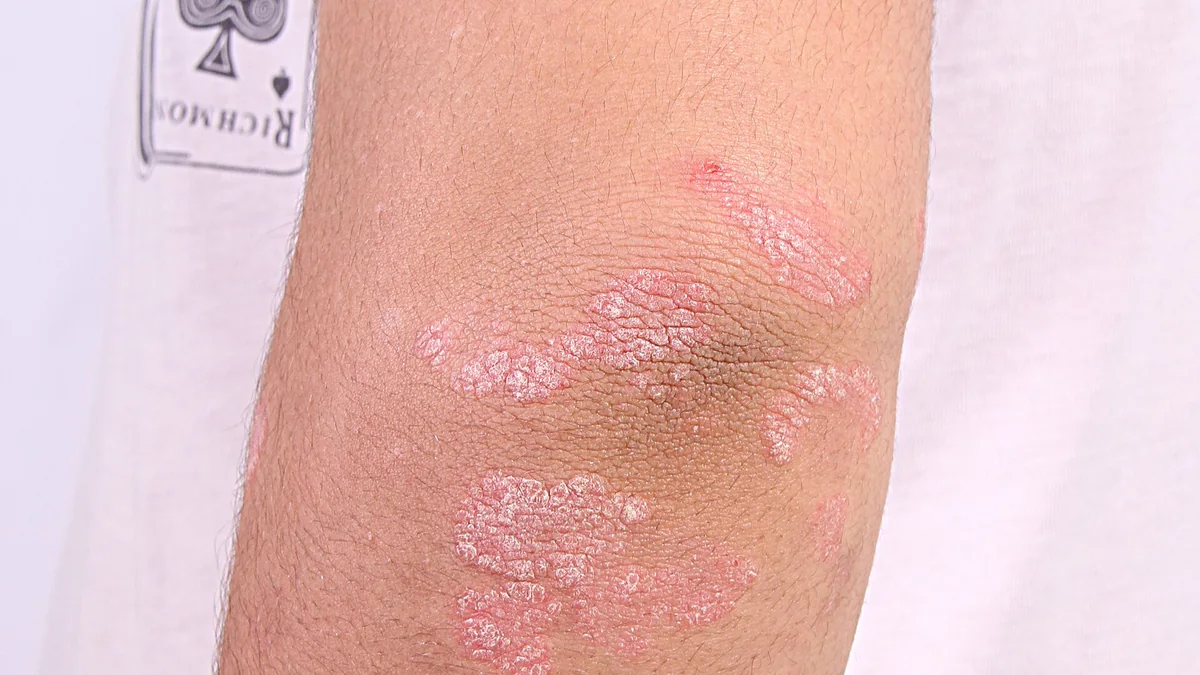
The most common symptom of psoriasis is the appearance of raised, red patches of skin covered with silvery scales, often occurring on the elbows, knees, scalp, and lower back, though it can appear anywhere on the body. Affected areas can be itchy or sometimes painful. Some people with psoriasis also develop a related form of joint inflammation known as psoriatic arthritis.
General Treatment Approaches
Treatment for psoriasis generally aims to slow the rapid skin cell turnover and reduce inflammation, and is often tailored to the severity and extent of the condition. Options commonly include topical treatments applied directly to affected skin, light-based therapy, and, for more extensive or severe cases, medications that work throughout the body to calm the underlying immune system activity driving the condition.
Background
Psoriasis has been recognized as a distinct skin condition since ancient times, though it was often confused with other skin diseases, including leprosy, for much of history due to some superficial similarities in appearance. A clearer, more specific understanding of psoriasis as its own condition developed in the 19th century, and the recognition of its underlying immune system basis in the latter half of the 20th century has led to the development of increasingly targeted treatment approaches in recent decades.