What It Is
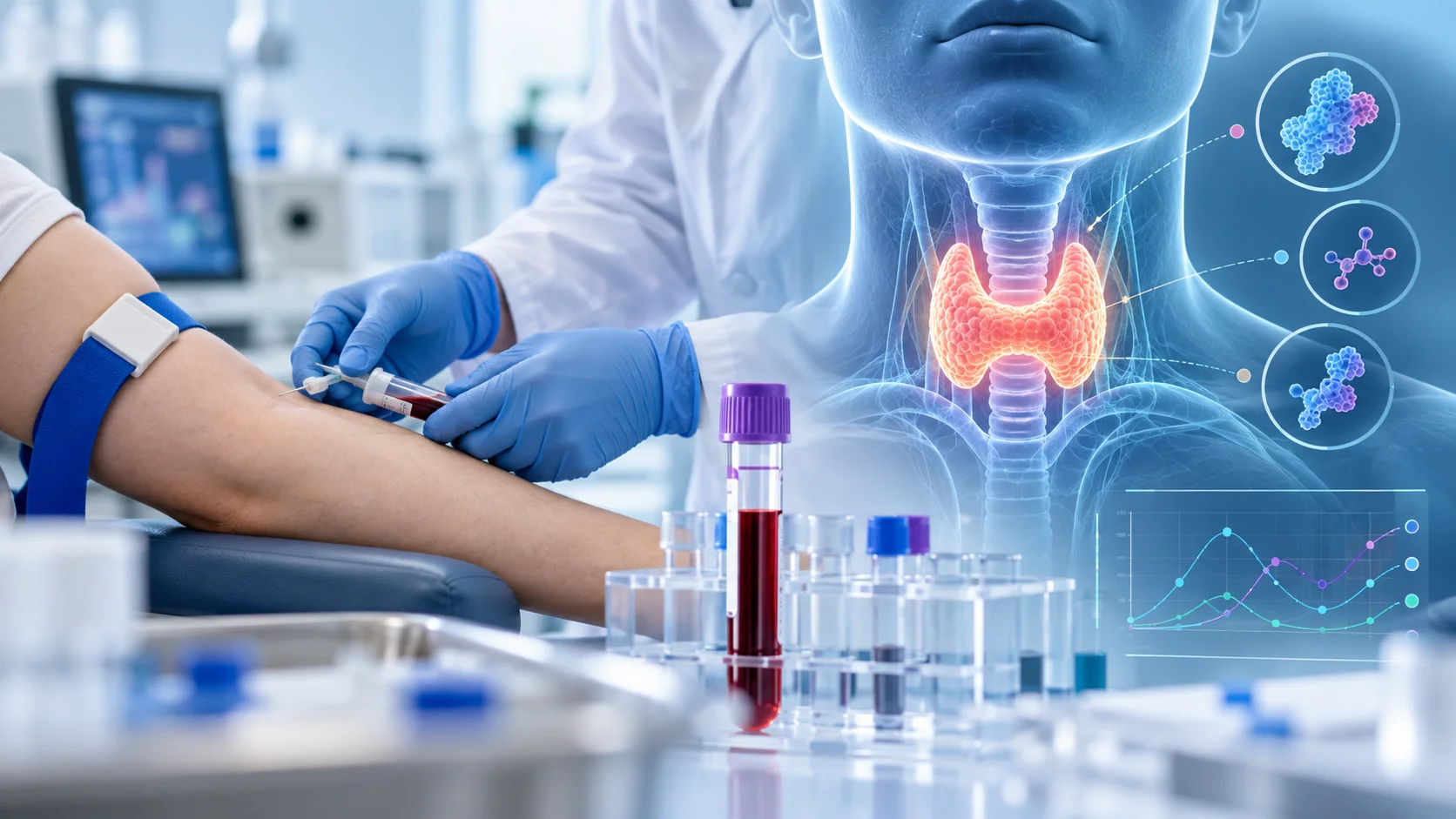
A thyroid function test, sometimes called a thyroid panel, is a group of blood tests that assess how the thyroid gland, located in the neck, is functioning.
What It Checks
A standard thyroid panel typically measures thyroid-stimulating hormone, commonly abbreviated as TSH, which is produced by the pituitary gland and signals the thyroid to produce its own hormones. It often also measures the thyroid's own hormones directly, particularly thyroxine, commonly called T4, and sometimes triiodothyronine, commonly called T3. Looking at these measurements together helps build a picture of whether the thyroid is producing an appropriate amount of hormone.
Why It's Used
Thyroid function tests are commonly used to investigate symptoms that might relate to thyroid activity, as part of routine health checkups, and to monitor thyroid function over time, including in people already being treated for a known thyroid condition.
How It's Done
A thyroid function test requires a blood sample, typically drawn from a vein in the arm, similar to most other routine blood tests. No special preparation is usually required beforehand, and the sample is sent to a laboratory where each hormone level is measured individually.
Background
The discovery and measurement of thyroid hormones developed gradually over the 20th century, as researchers identified the specific hormones the thyroid produces and their relationship to the pituitary gland's regulatory signals. Laboratory methods for measuring these hormones became increasingly precise over subsequent decades, and TSH testing in particular became recognized as a highly sensitive way to assess thyroid activity, making the combined thyroid panel a standard and widely used tool in healthcare today.