What They Do
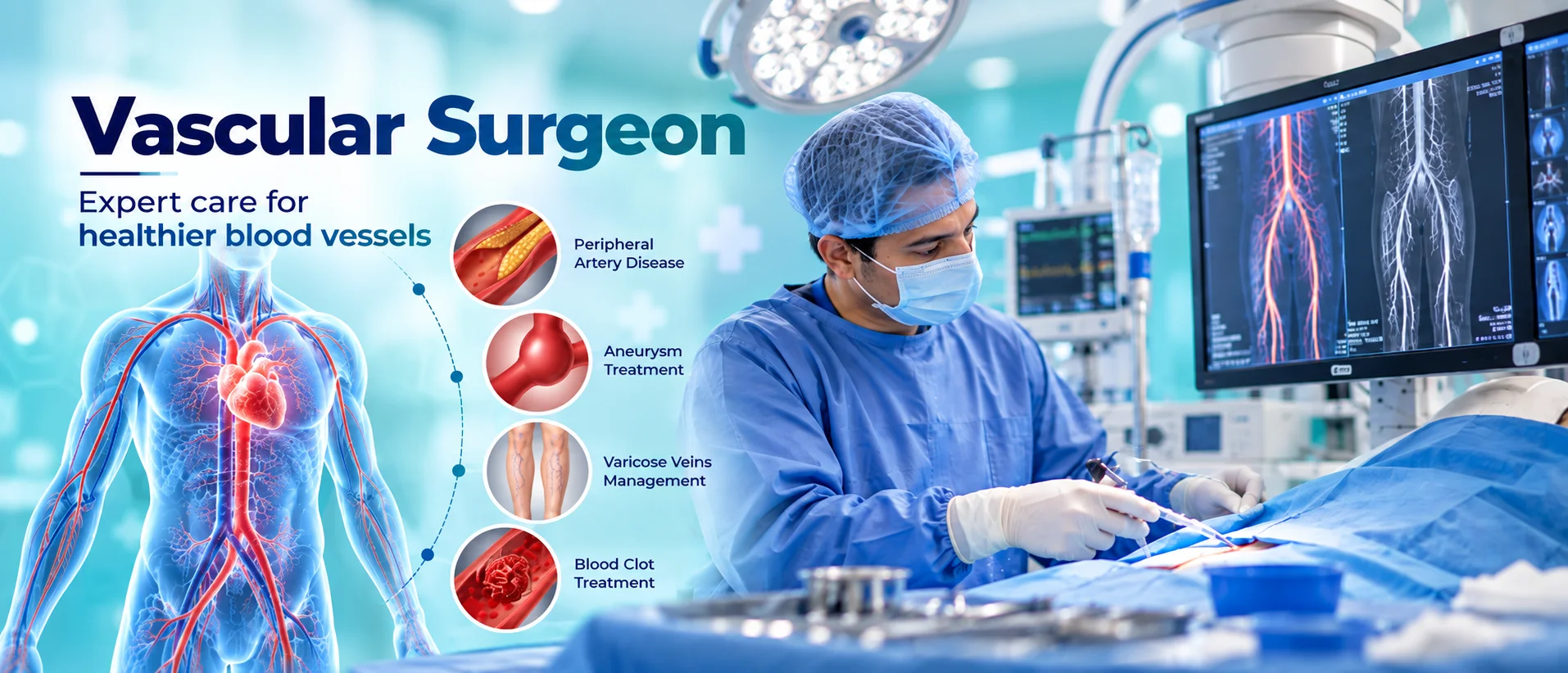
A vascular surgeon is a physician who specializes in diagnosing and treating conditions affecting the blood vessels throughout the body, excluding those directly within the heart and brain, which fall under cardiac and neurological specialties respectively. Vascular surgery covers both open surgical procedures and increasingly common minimally invasive, catheter-based techniques.
What They Treat
Vascular surgeons manage conditions such as peripheral artery disease, which involves narrowed blood vessels typically in the legs, aneurysms, which are abnormal bulges in blood vessel walls, and varicose veins. They also treat blood clots within the veins and manage vascular access for patients undergoing dialysis.
Training Path
Becoming a vascular surgeon requires completing a medical degree, followed by surgical residency training, and then additional dedicated fellowship training specifically in vascular surgery. This additional training covers both traditional open surgical techniques and the growing range of minimally invasive, catheter-based procedures used to treat many vascular conditions today.
When to See One
People are commonly referred to a vascular surgeon for symptoms such as leg pain during walking that improves with rest, a common sign of peripheral artery disease, visible varicose veins causing discomfort, or an aneurysm identified through imaging performed for another reason. Vascular surgeons are also involved in managing blood clots within the veins and in creating and maintaining vascular access for dialysis patients.
Background
Vascular surgery developed as a distinct surgical specialty over the course of the 20th century, closely tied to advances in understanding blood vessel disease and the development of techniques to repair or bypass damaged vessels. More recently, the field has been considerably reshaped by the growth of minimally invasive, catheter-based approaches, which now allow many conditions that once required open surgery to be treated through much smaller incisions, generally with shorter recovery times.