
Diseases and Disorders
Uncommon Diseases: 10 Rare Conditions Explained
A plain-language overview of ten uncommon diseases, including symptoms, causes, diagnosis, treatment and outlook.
4 min read
We use privacy-safe analytics to understand how Medinall is used (pages and interactions, not personal or medical information). See our Privacy Policy.

Health topic
Clear explanations of common diseases and health conditions — causes, symptoms, diagnosis, treatment and when to see a doctor.
76 articles · Open in the article library · All topics
Diseases and Disorders
A plain-language overview of ten uncommon diseases, including symptoms, causes, diagnosis, treatment and outlook.
4 min read
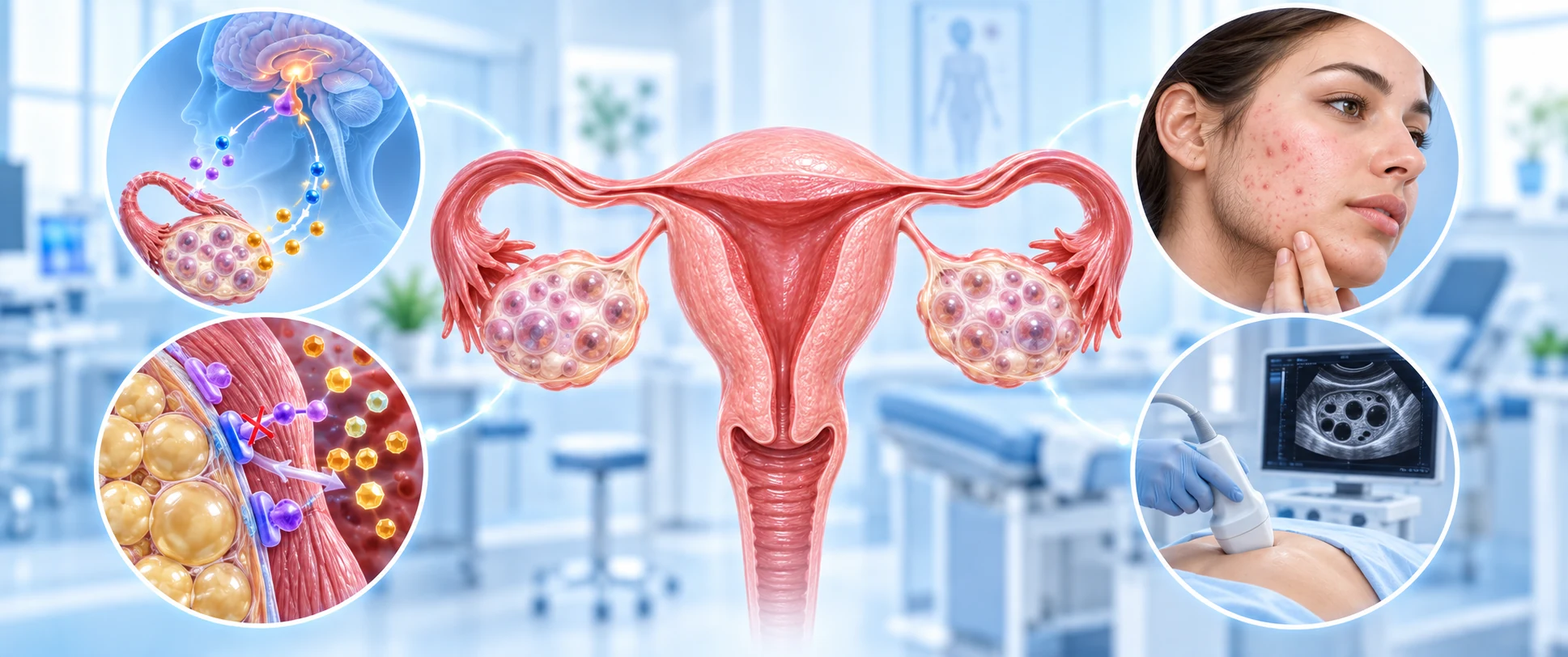
Diseases and Disorders
PCOD, more commonly known in medical literature as polycystic ovary syndrome (PCOS), is one of the most common hormonal disorders in women of reproductive age. The World Health Organization estimates that it affects around 8 to 13 percent of women in t...
3 min read
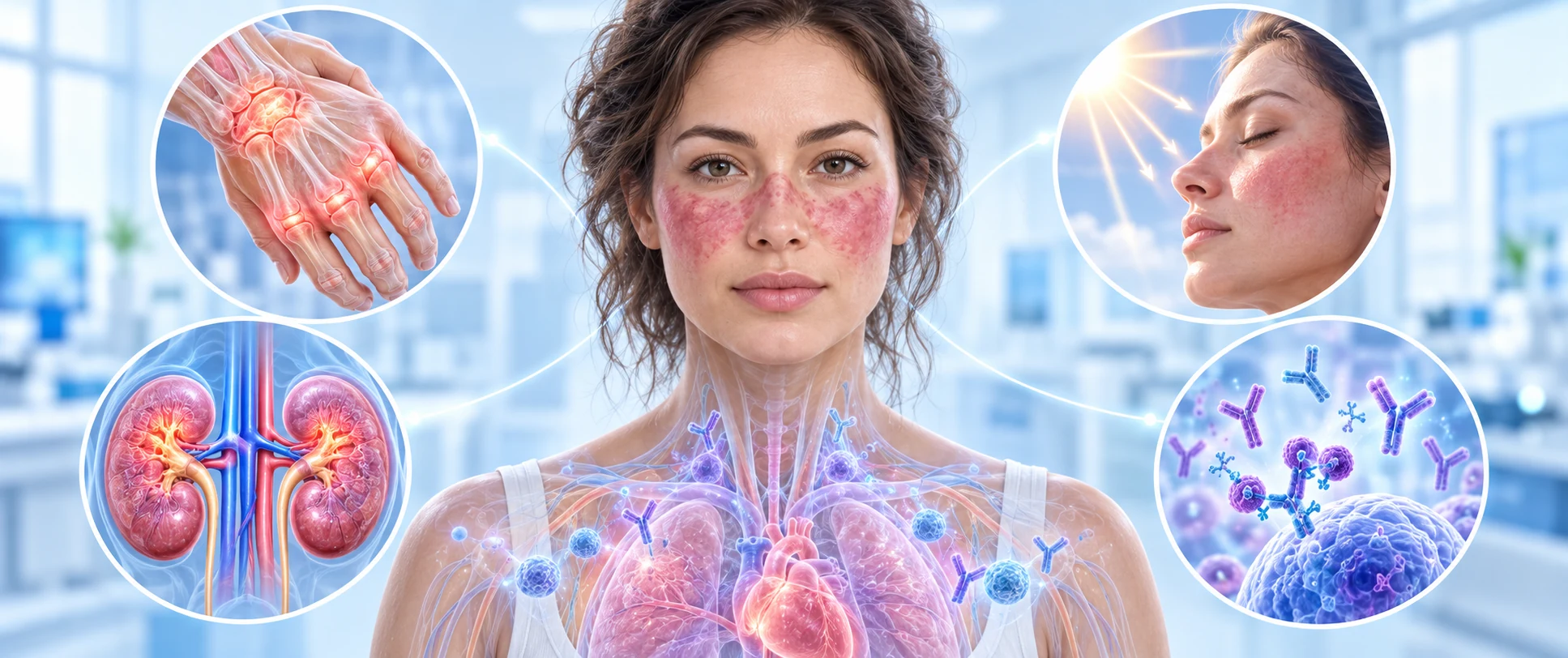
Diseases and Disorders
Lupus is a chronic autoimmune disease in which the immune system, which normally protects the body from infection, mistakenly attacks the body's own tissues. It can affect almost any organ, including the skin, joints, kidneys, heart, lungs, blood and b...
4 min read
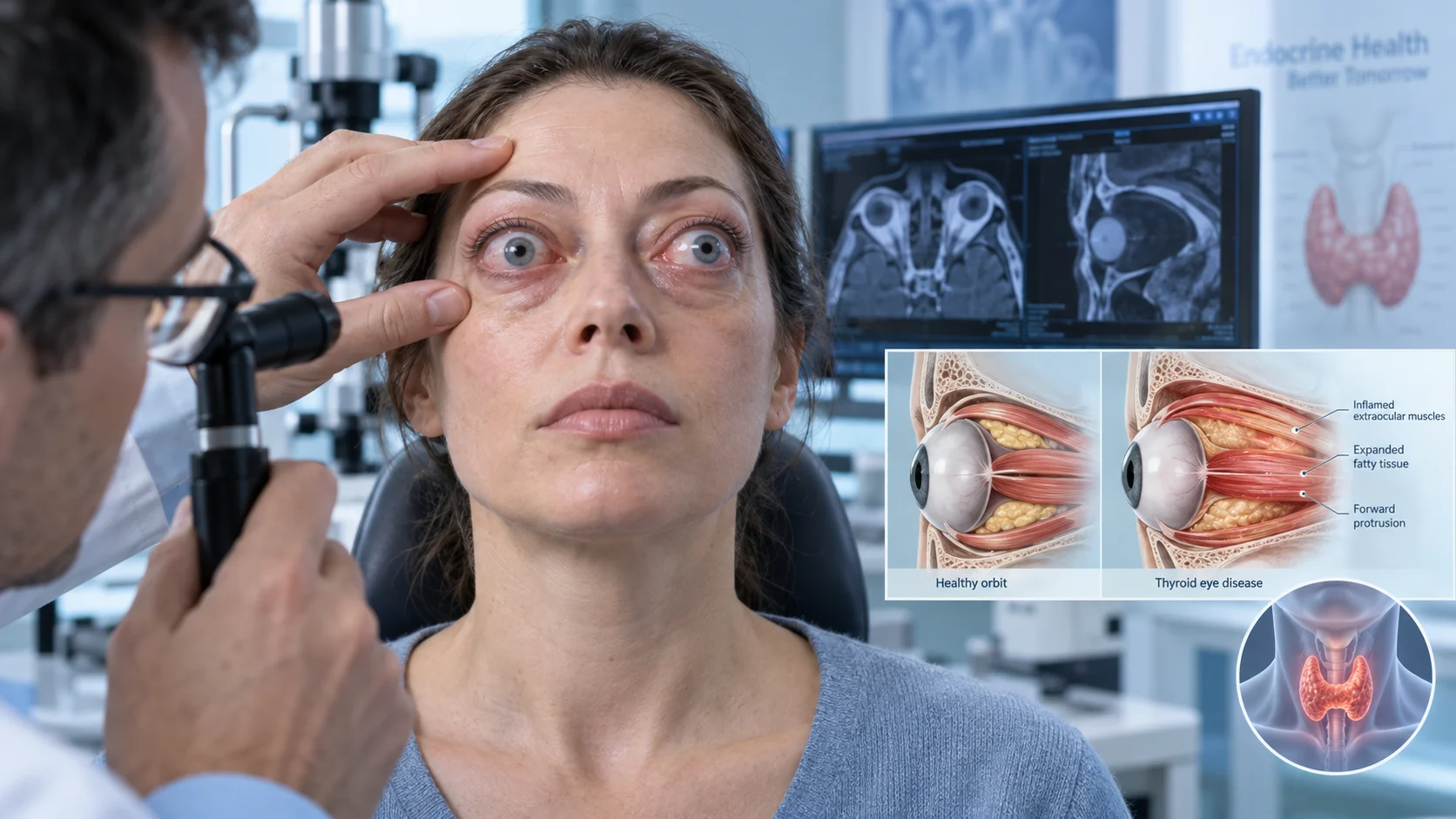
Diseases and Disorders
Thyroid eye disease is a condition in which the tissues surrounding the eyes, including the muscles that control eye movement and the fatty tissue within the eye socket, become inflamed and swollen, most commonly occu...
3 min read
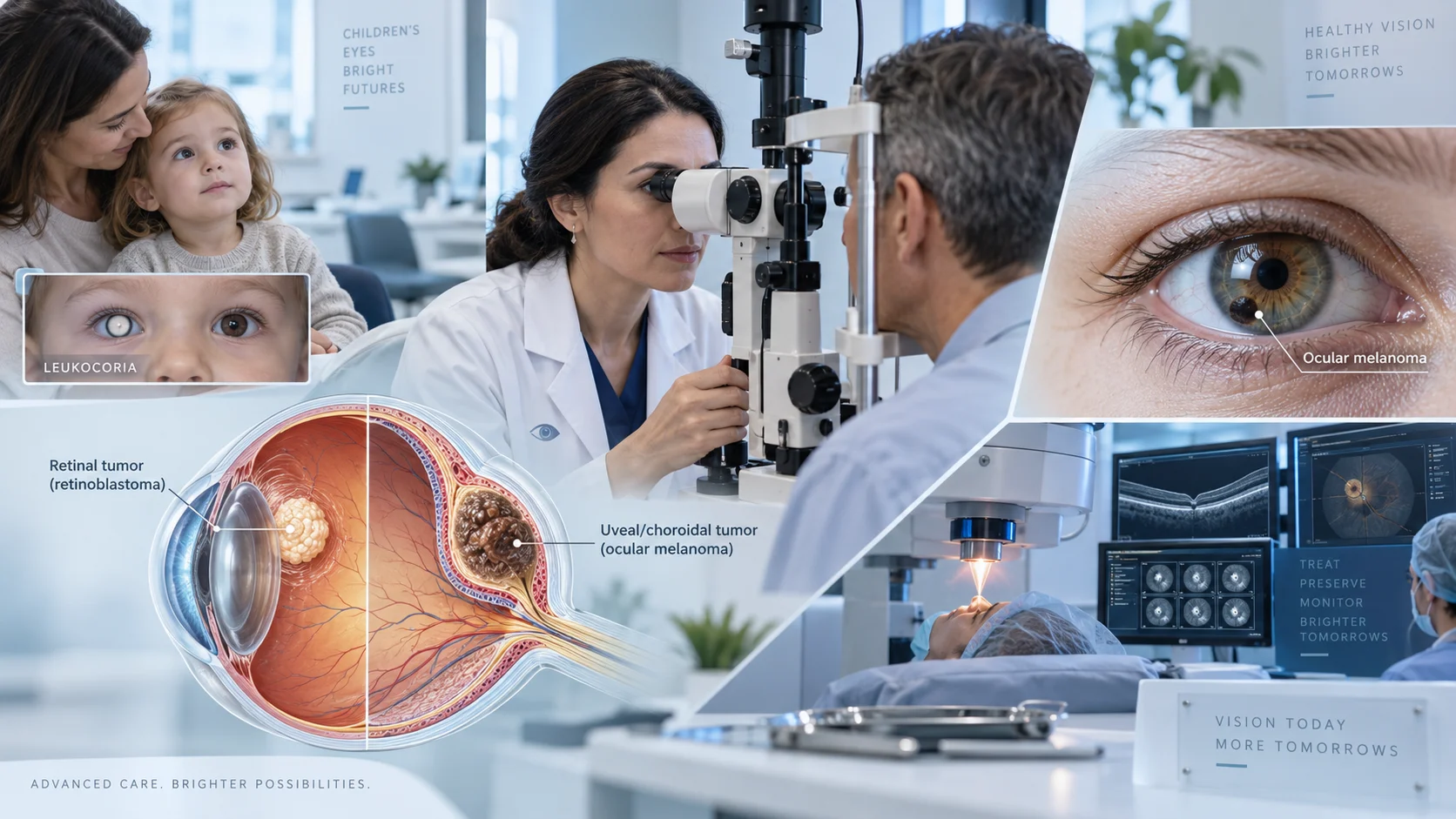
Diseases and Disorders
Eye cancer refers to several different types of cancer that can develop within or around the eye, with two of the most well-known forms being retinoblastoma, which occurs in children, and ocular melanoma, which most c...
3 min read
Diseases and Disorders
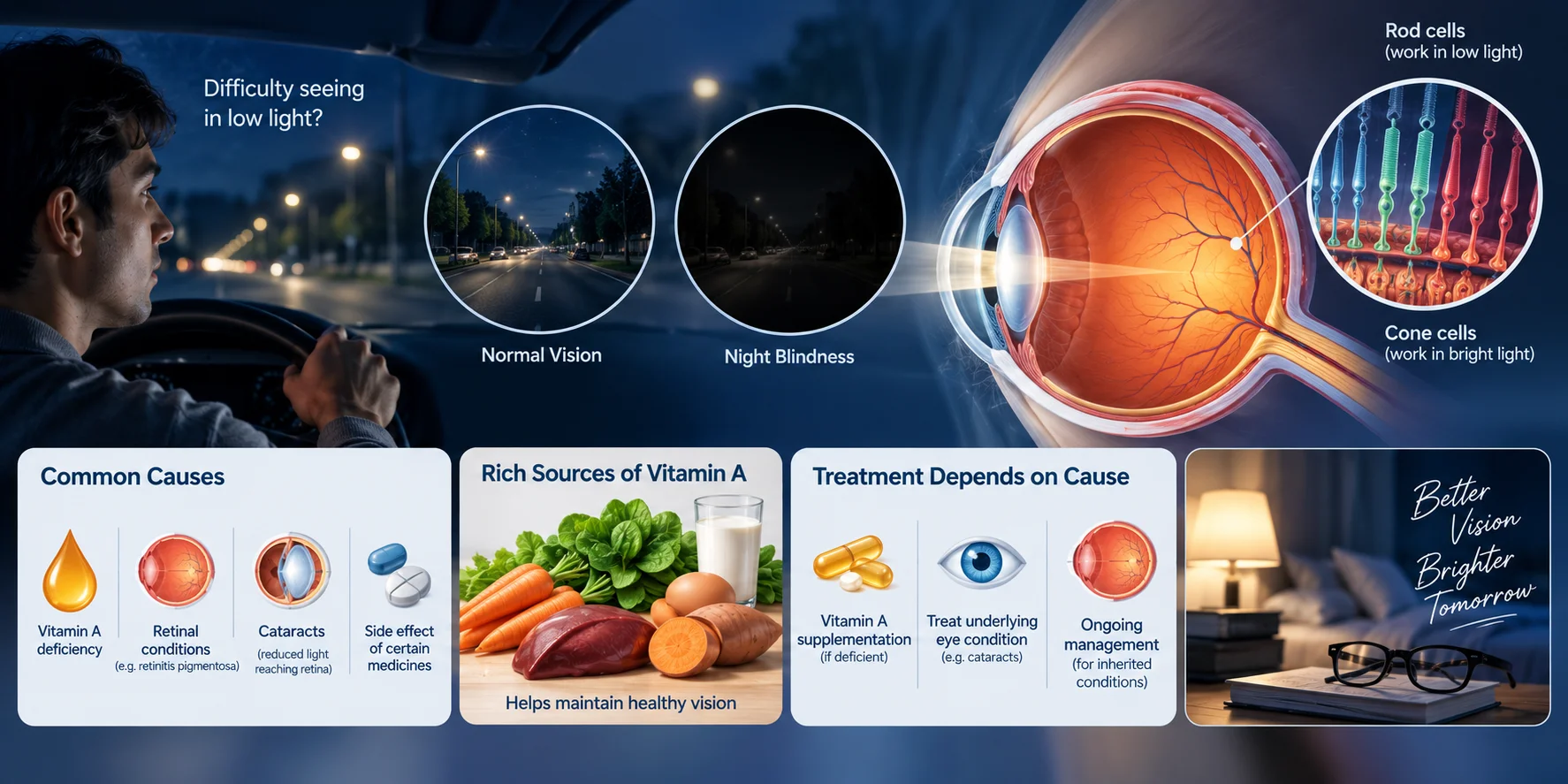
Night blindness, medically known as nyctalopia, is a condition involving difficulty seeing in low light or darkness, often much more pronounced than the mild adjustment period most people experience when moving from a...
3 min read
Diseases and Disorders
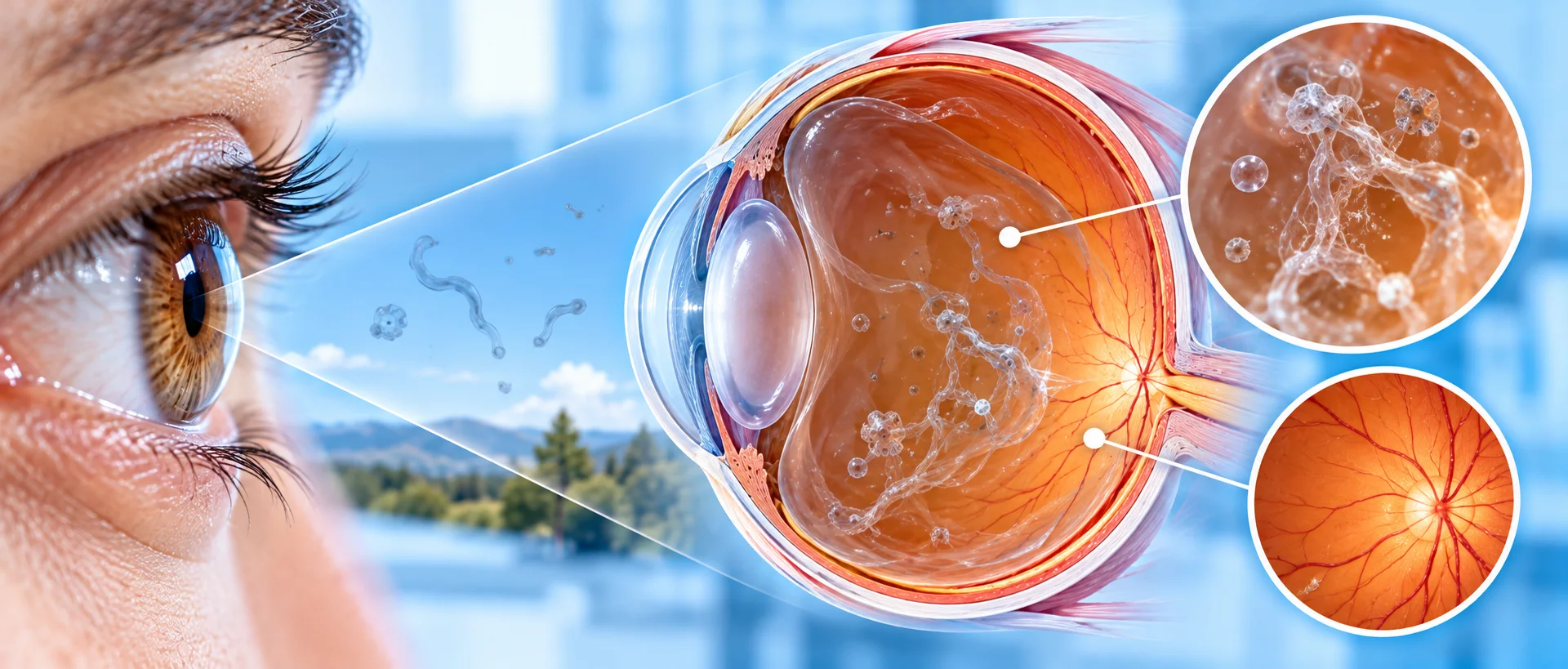
Floaters are small spots, specks, or thread-like shapes that appear to drift across a person's field of vision, particularly noticeable when looking at a plain, bright background such as a clear sky.
2 min read
Diseases and Disorders
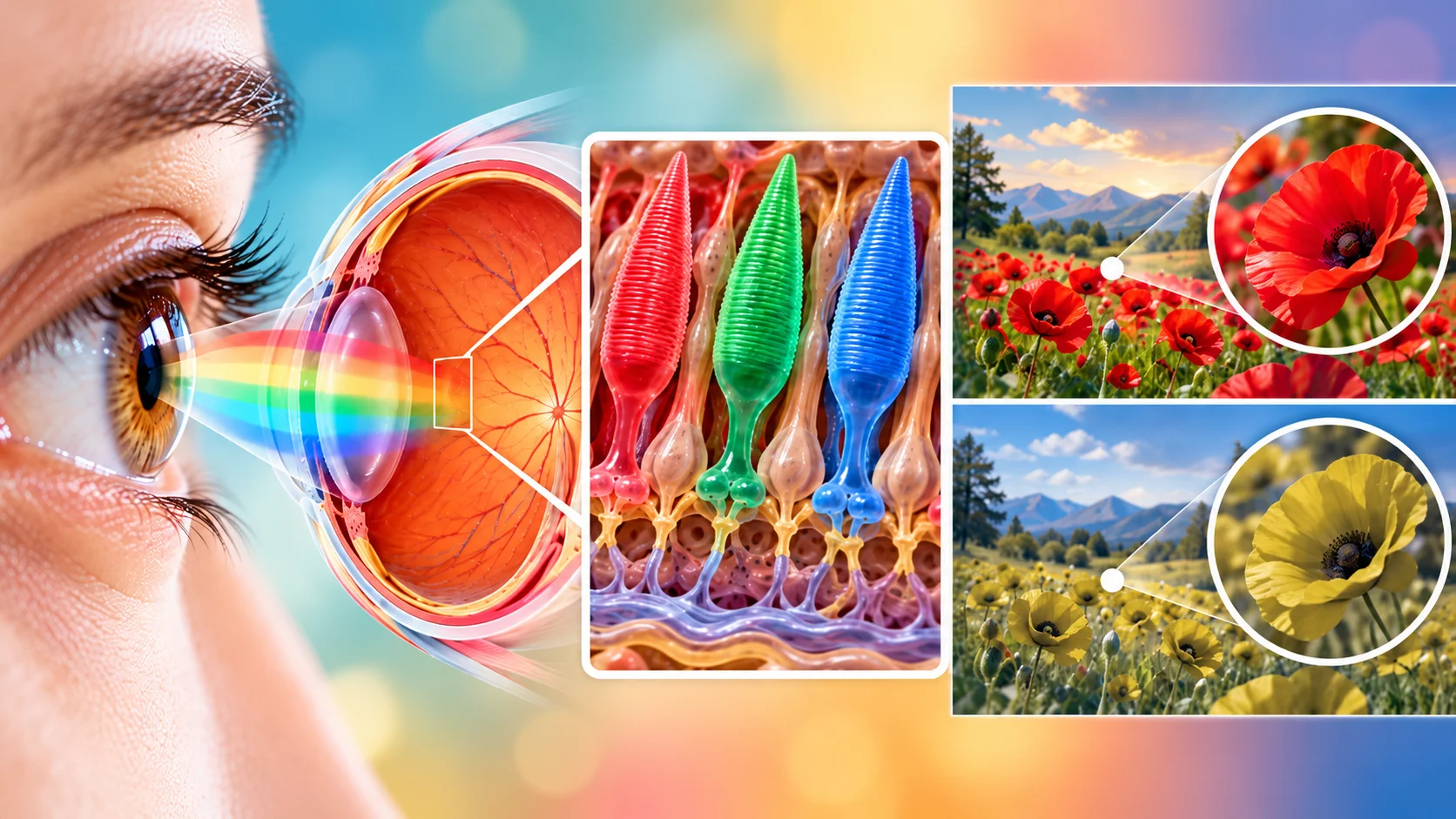
Color blindness, more accurately described as color vision deficiency, is a condition in which a person has difficulty distinguishing between certain colors, most commonly shades of red and green.
2 min read
Diseases and Disorders
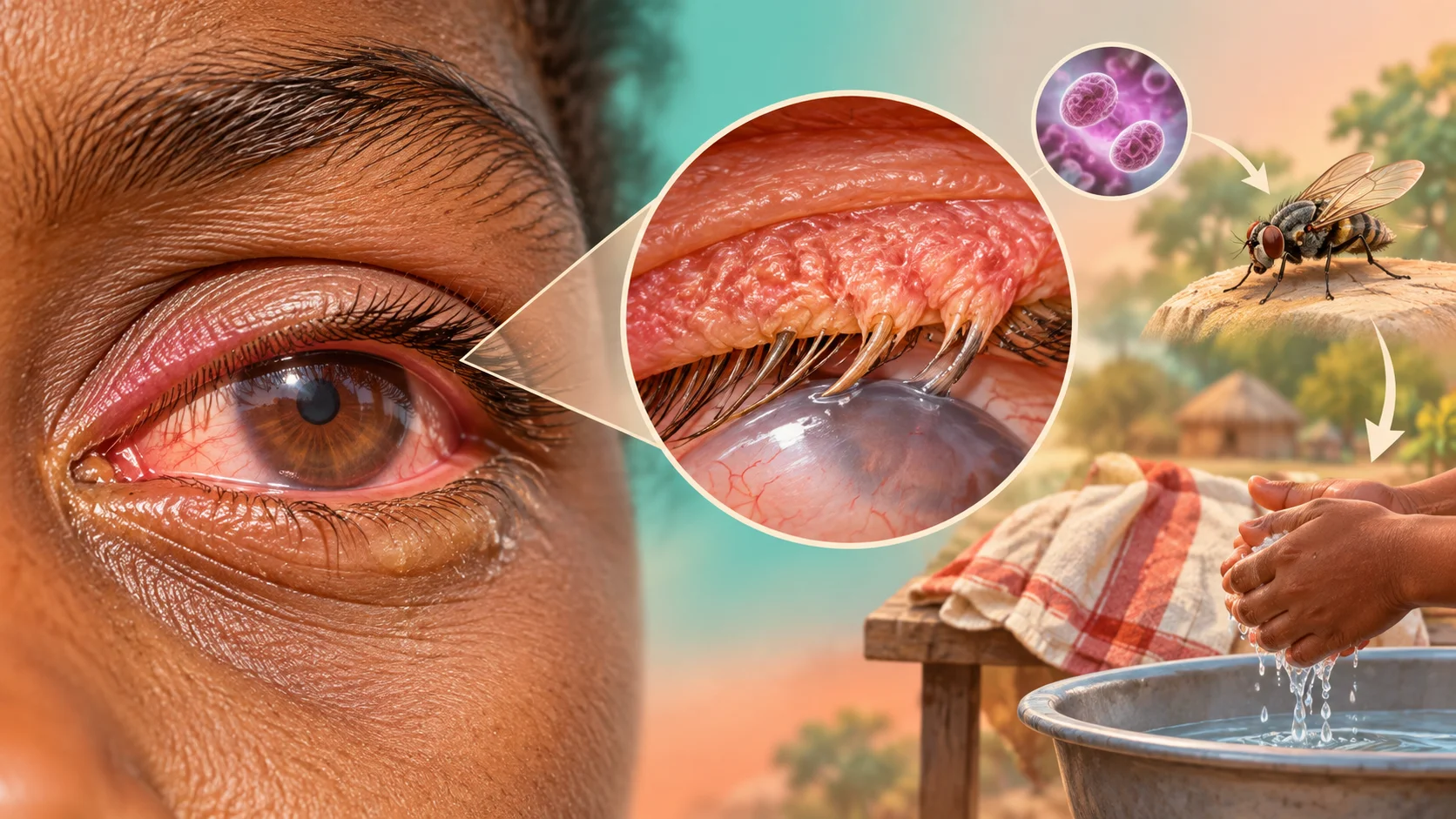
Trachoma is a chronic eye infection caused by a specific type of bacteria, and is one of the leading infectious causes of preventable blindness worldwide, particularly in areas with limited access to clean water and s...
2 min read
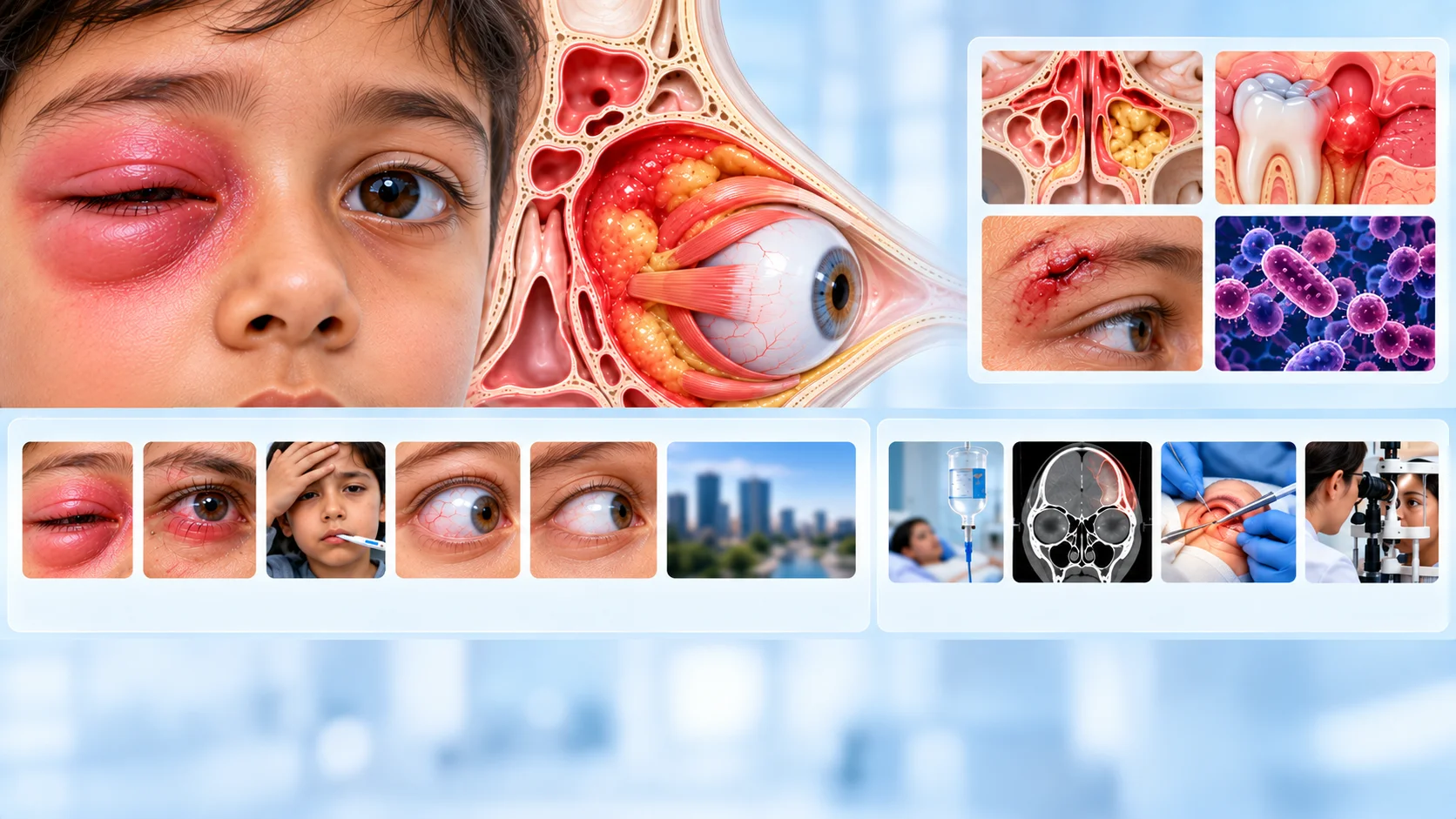
Diseases and Disorders
Orbital cellulitis is a serious infection affecting the tissues surrounding the eye within the bony eye socket, extending deeper than the eyelid alone.
3 min read
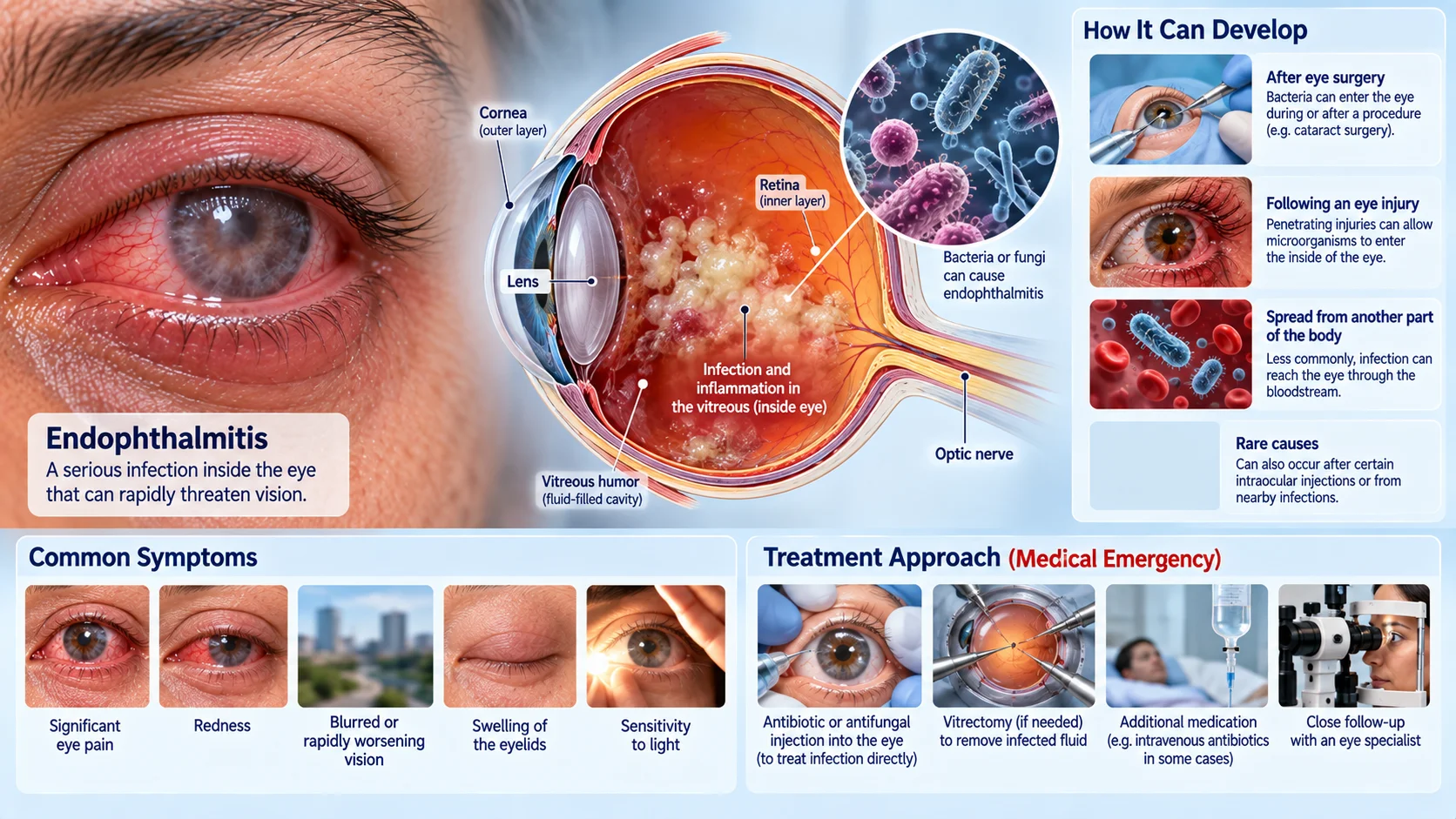
Diseases and Disorders
Endophthalmitis is a serious infection affecting the inside of the eye, involving the fluid-filled cavities within the eyeball itself, rather than just its outer surface.
3 min read
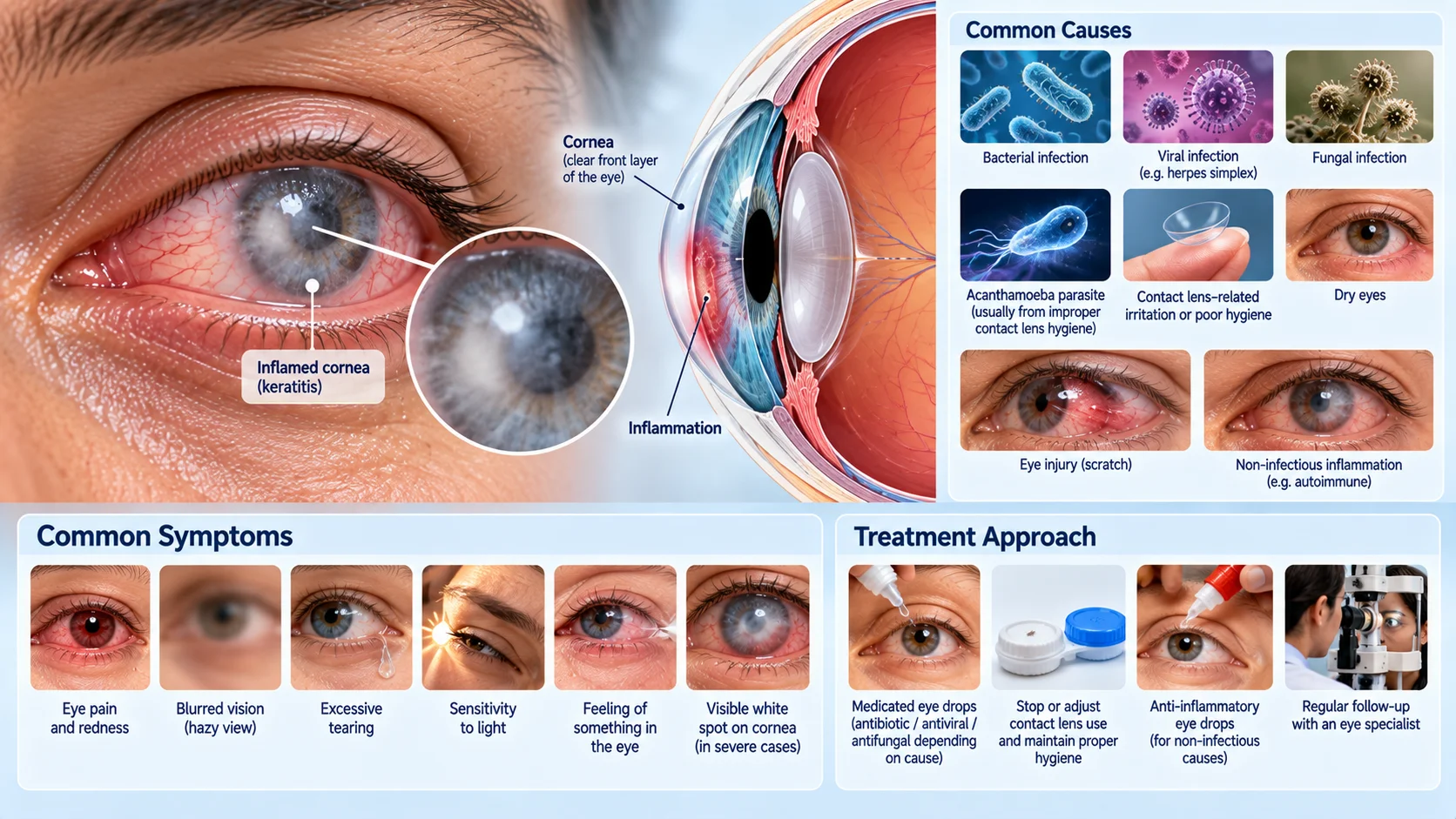
Diseases and Disorders
Keratitis is inflammation of the cornea, the clear, dome-shaped front surface of the eye, which can range from mild to sight-threatening depending on its cause and severity.
3 min read
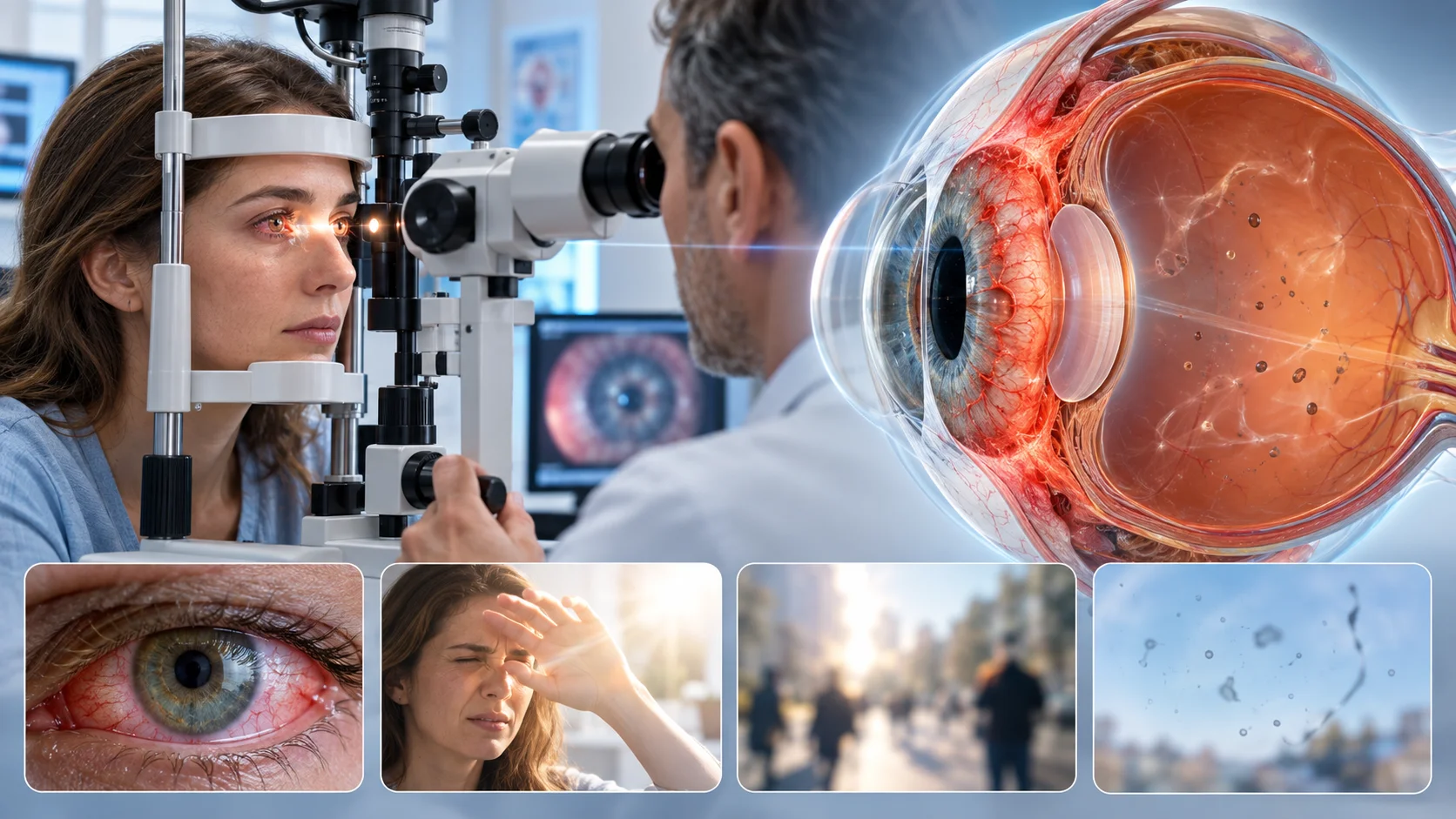
Diseases and Disorders
Uveitis is inflammation of the uvea, the middle layer of the eye, which includes the iris and other closely connected structures involved in supplying blood to the eye.
3 min read
Diseases and Disorders
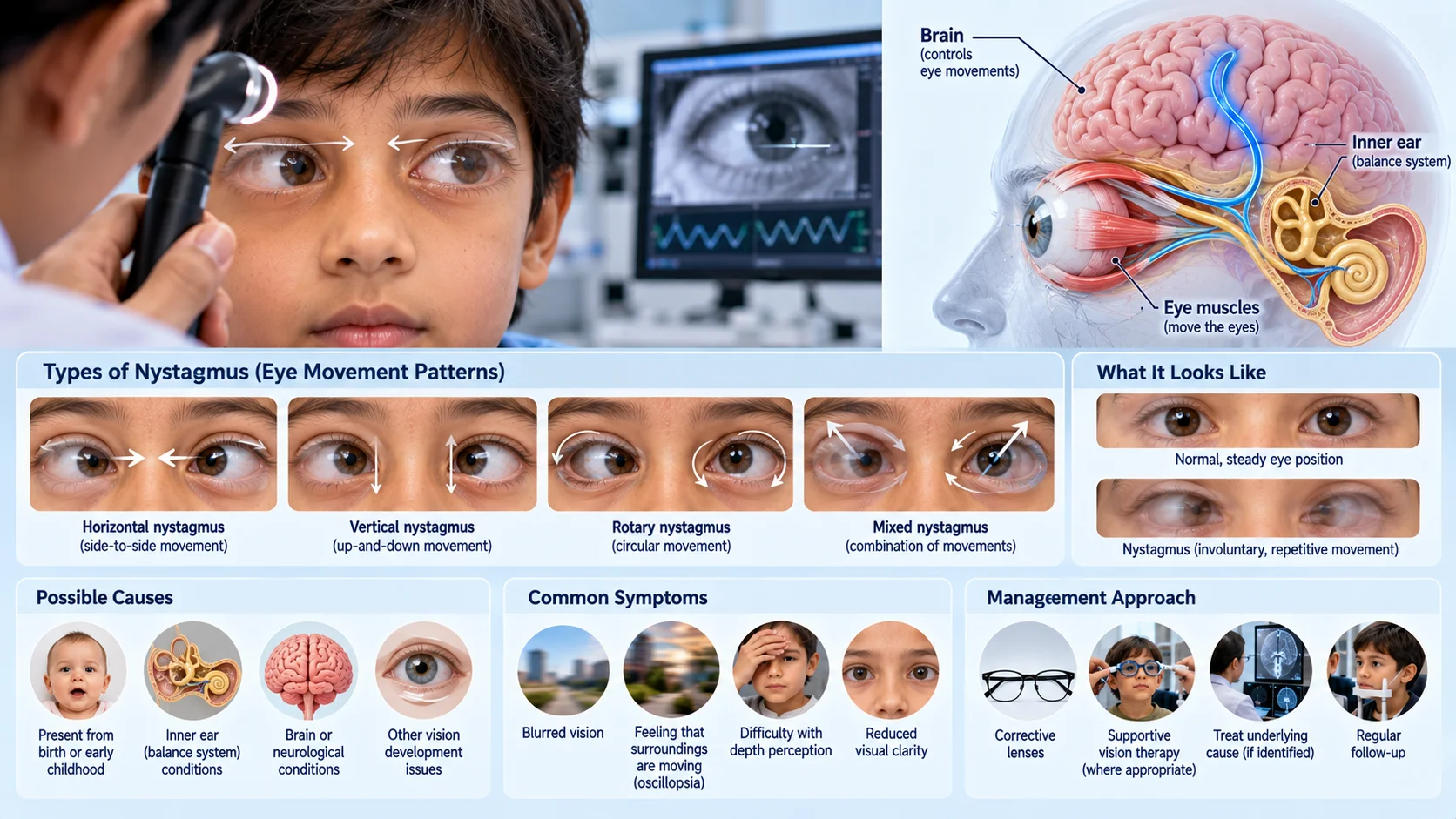
Nystagmus is a condition involving repetitive, involuntary movements of the eyes, which can occur in various directions and patterns.
3 min read
Diseases and Disorders
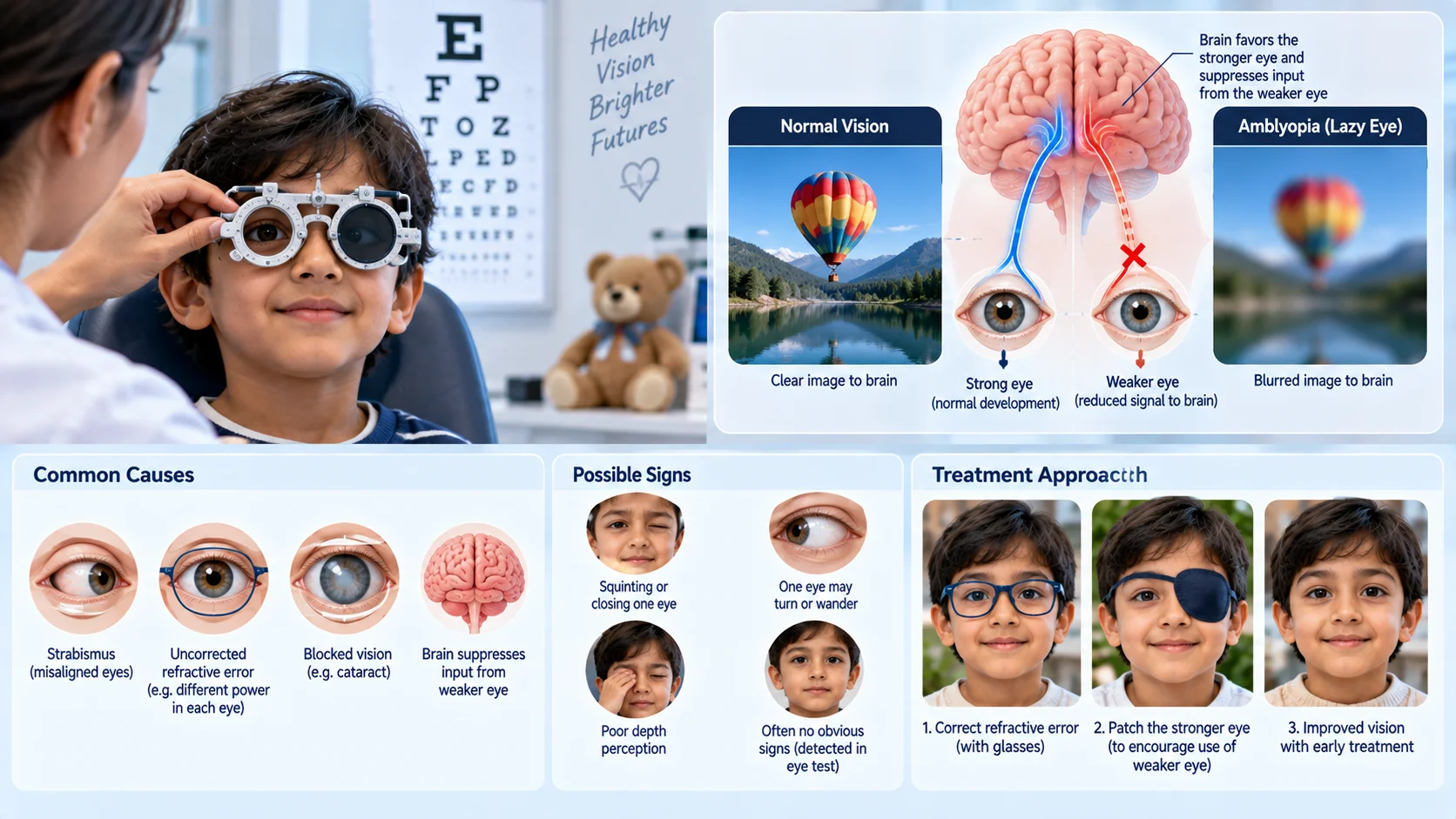
Amblyopia, commonly known as lazy eye, is a condition in which vision in one eye doesn't develop normally during childhood, even though the eye itself may appear structurally normal.
3 min read
Diseases and Disorders
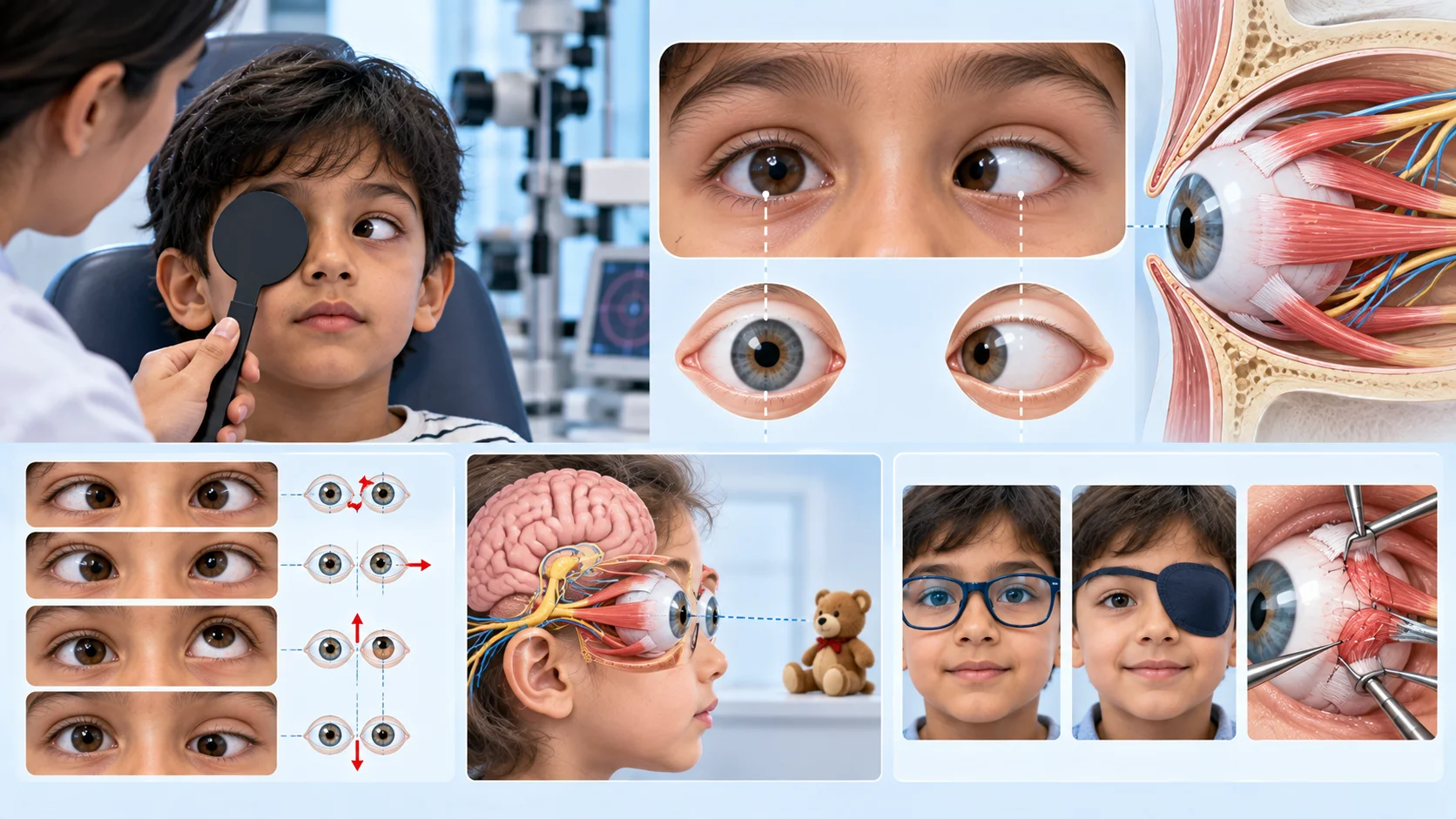
Strabismus, commonly known as a squint, is a condition in which the eyes aren't properly aligned with one another, with one eye pointing in a different direction than the other.
3 min read
Diseases and Disorders
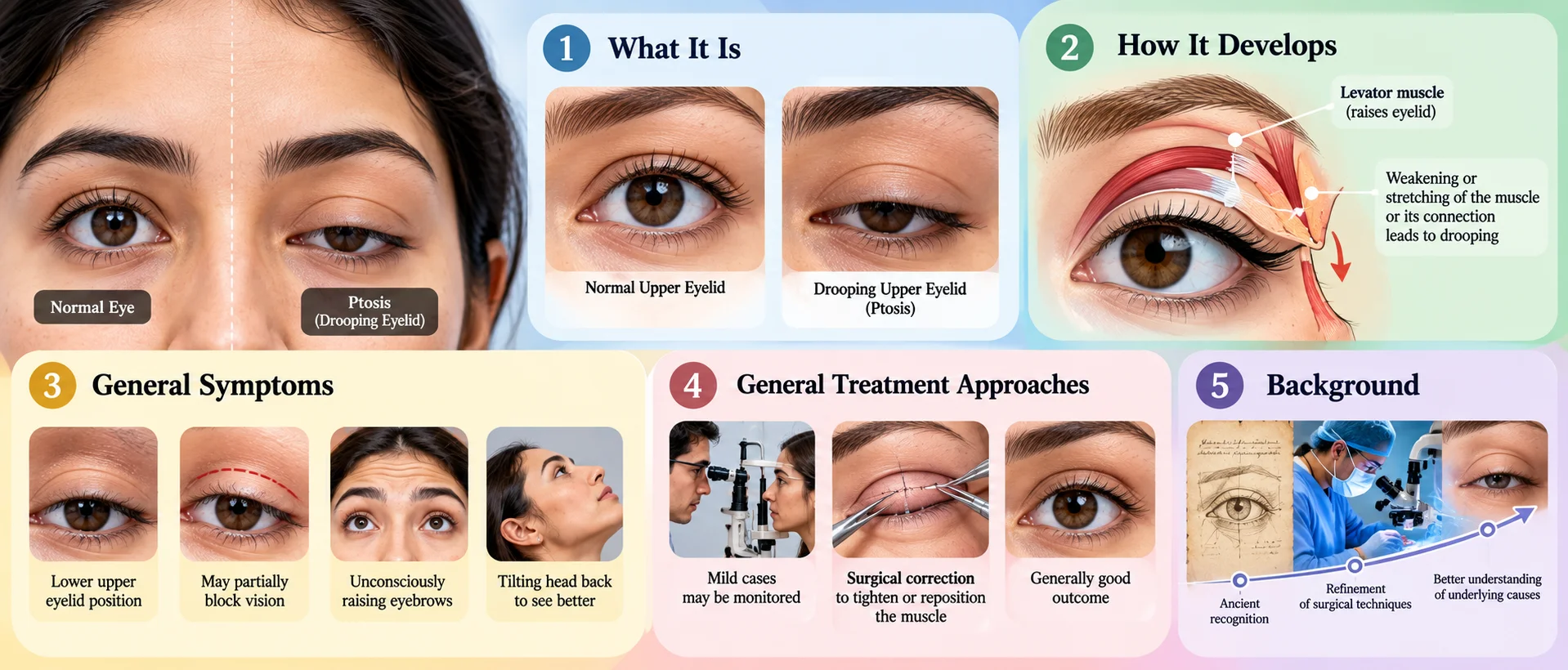
Ptosis refers to drooping of the upper eyelid, which can range from a barely noticeable droop to one significant enough to partially cover the pupil and affect vision.
2 min read
Diseases and Disorders
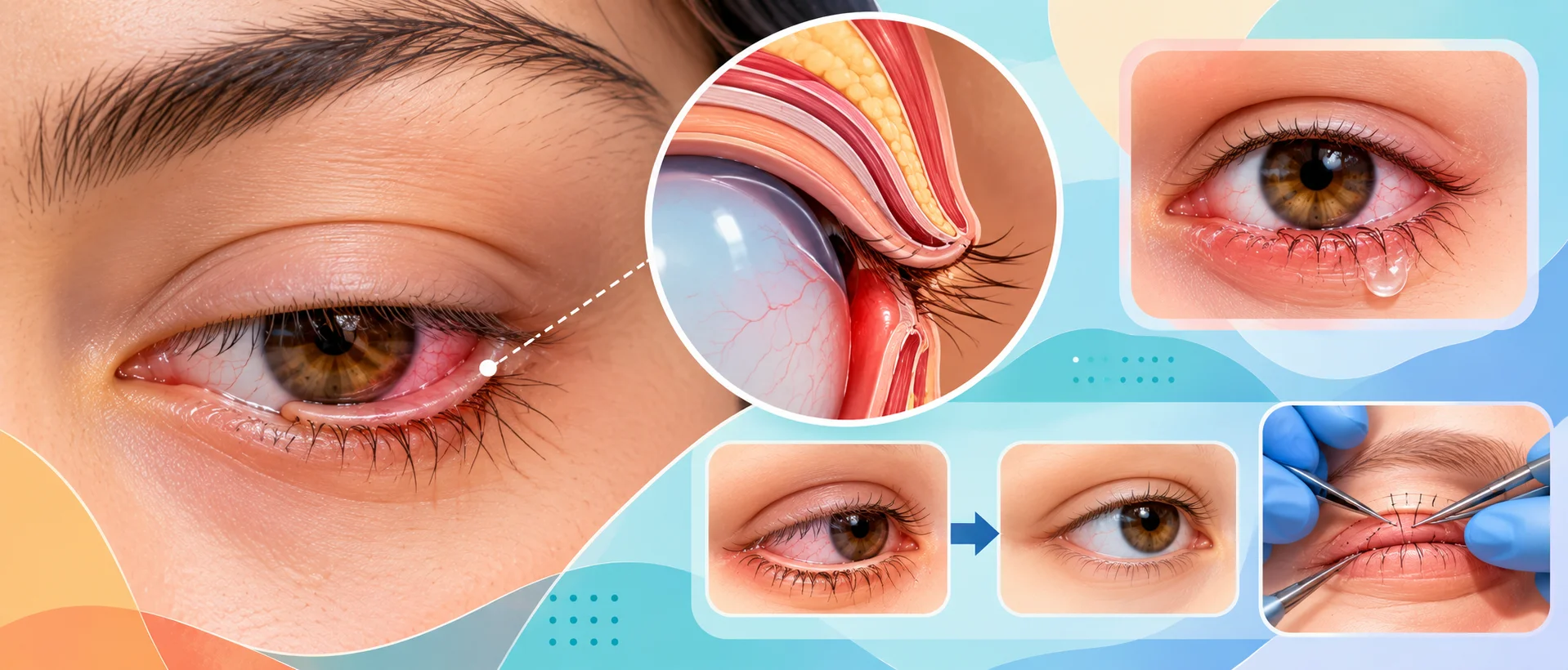
Entropion is a condition in which the eyelid, most commonly the lower eyelid, turns inward toward the eye, causing the eyelashes and skin to rub against the eye's surface.
2 min read
Diseases and Disorders
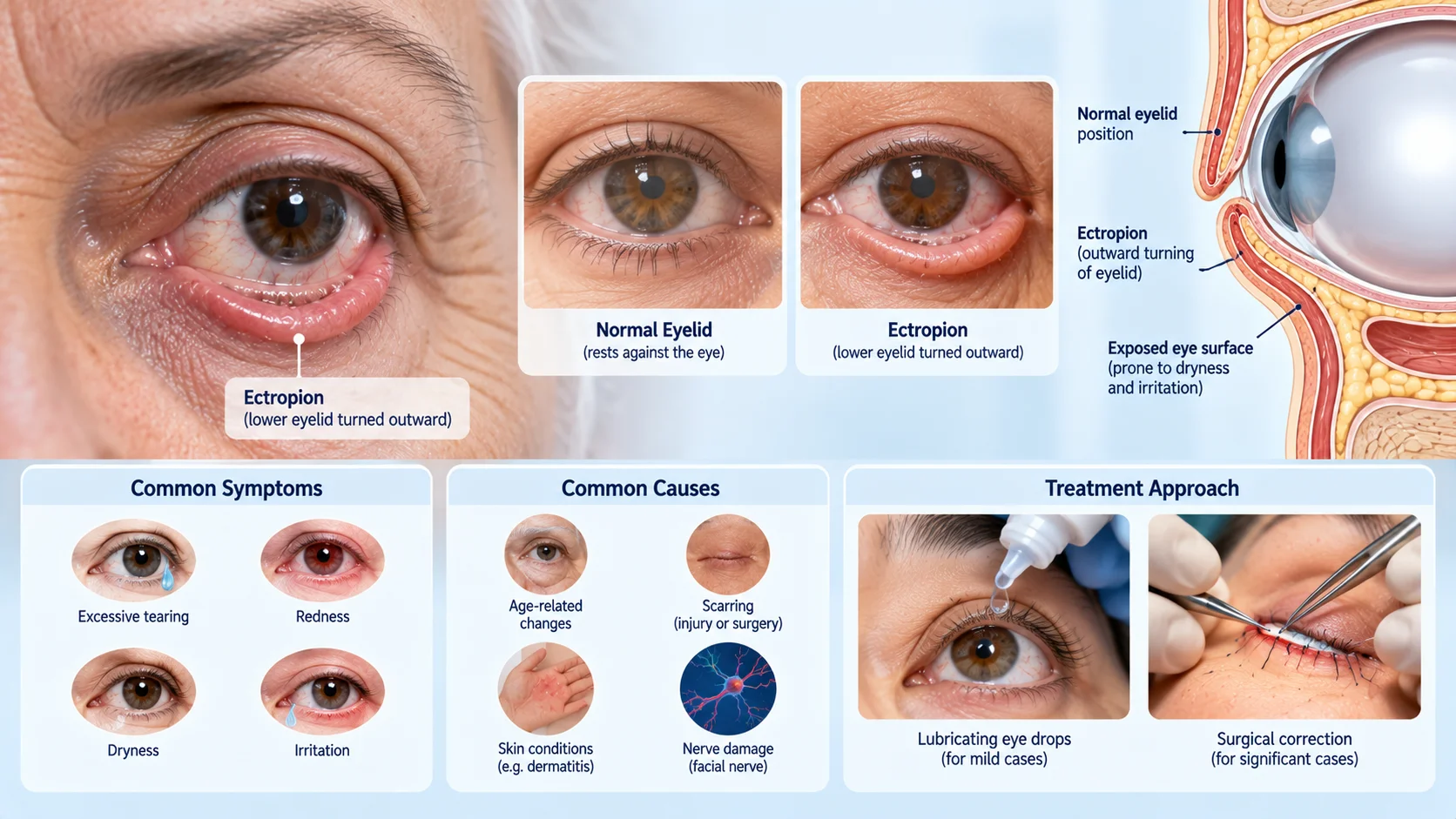
Ectropion is a condition in which the eyelid, most commonly the lower eyelid, turns outward away from the eye, rather than resting against it normally.
3 min read
Diseases and Disorders
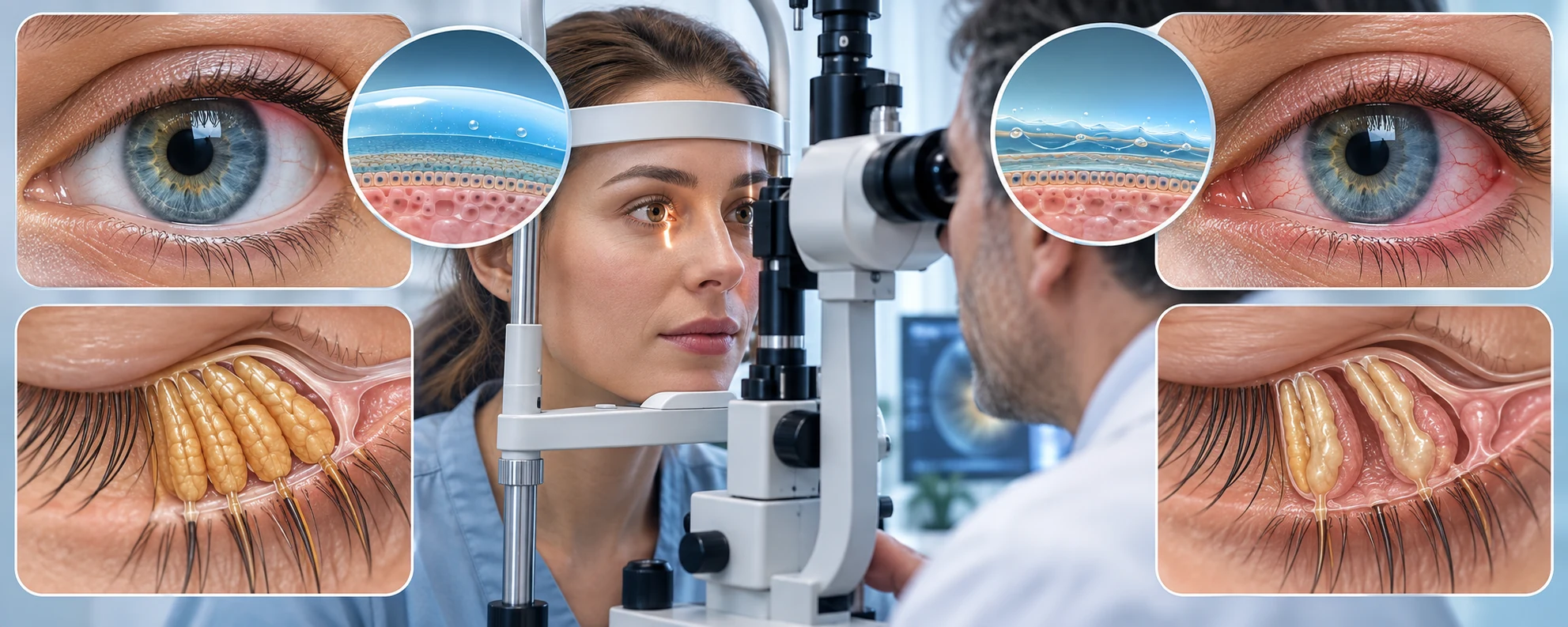
Dry eye syndrome is a common condition in which the eyes don't produce enough tears, or produce tears of poor quality, resulting in inadequate lubrication of the eye's surface.
3 min read
Diseases and Disorders
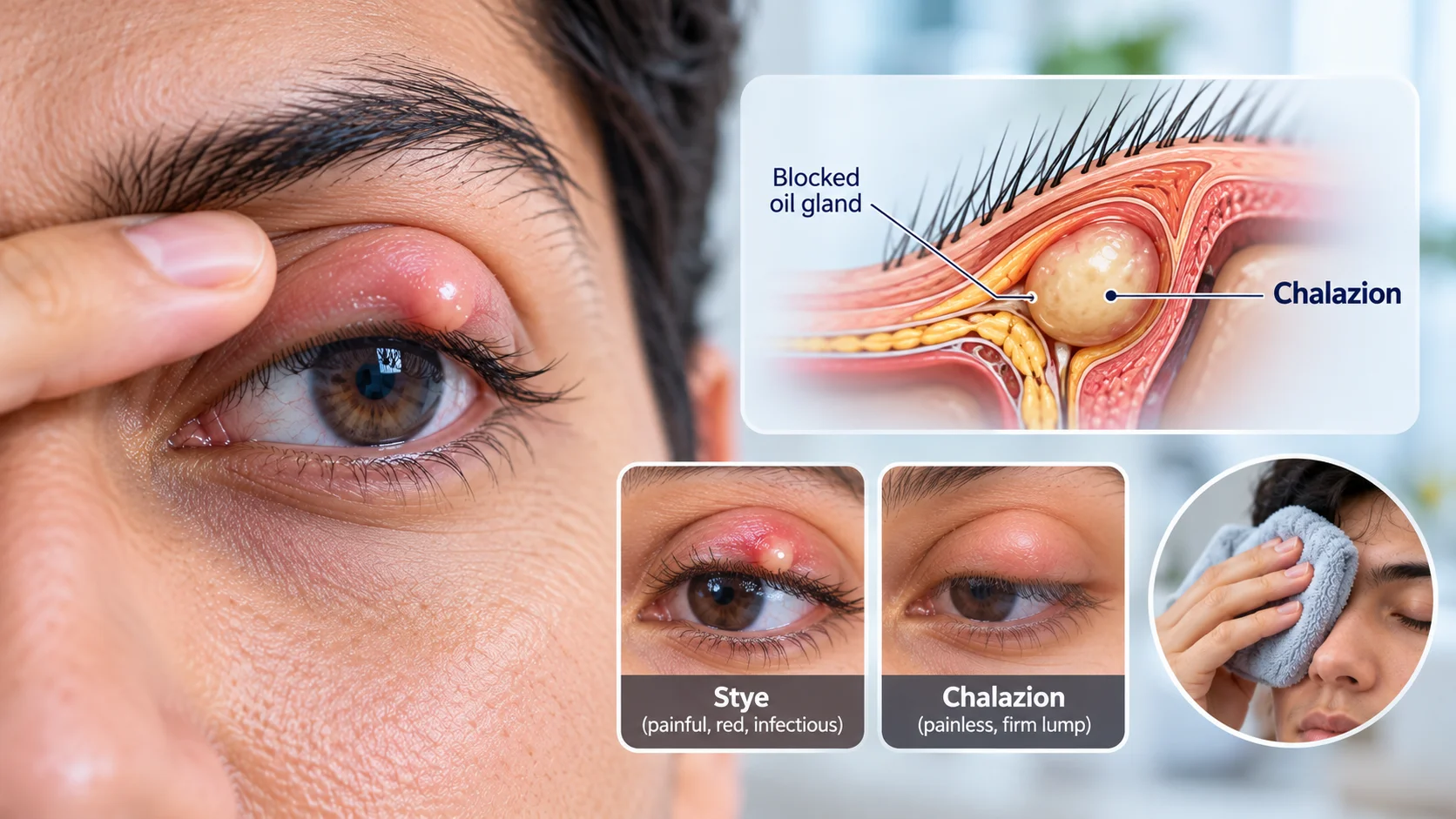
A chalazion is a small, usually painless lump that develops on the eyelid, resulting from a blocked oil gland, and is closely related to, though generally distinct from, a stye.
2 min read
Diseases and Disorders
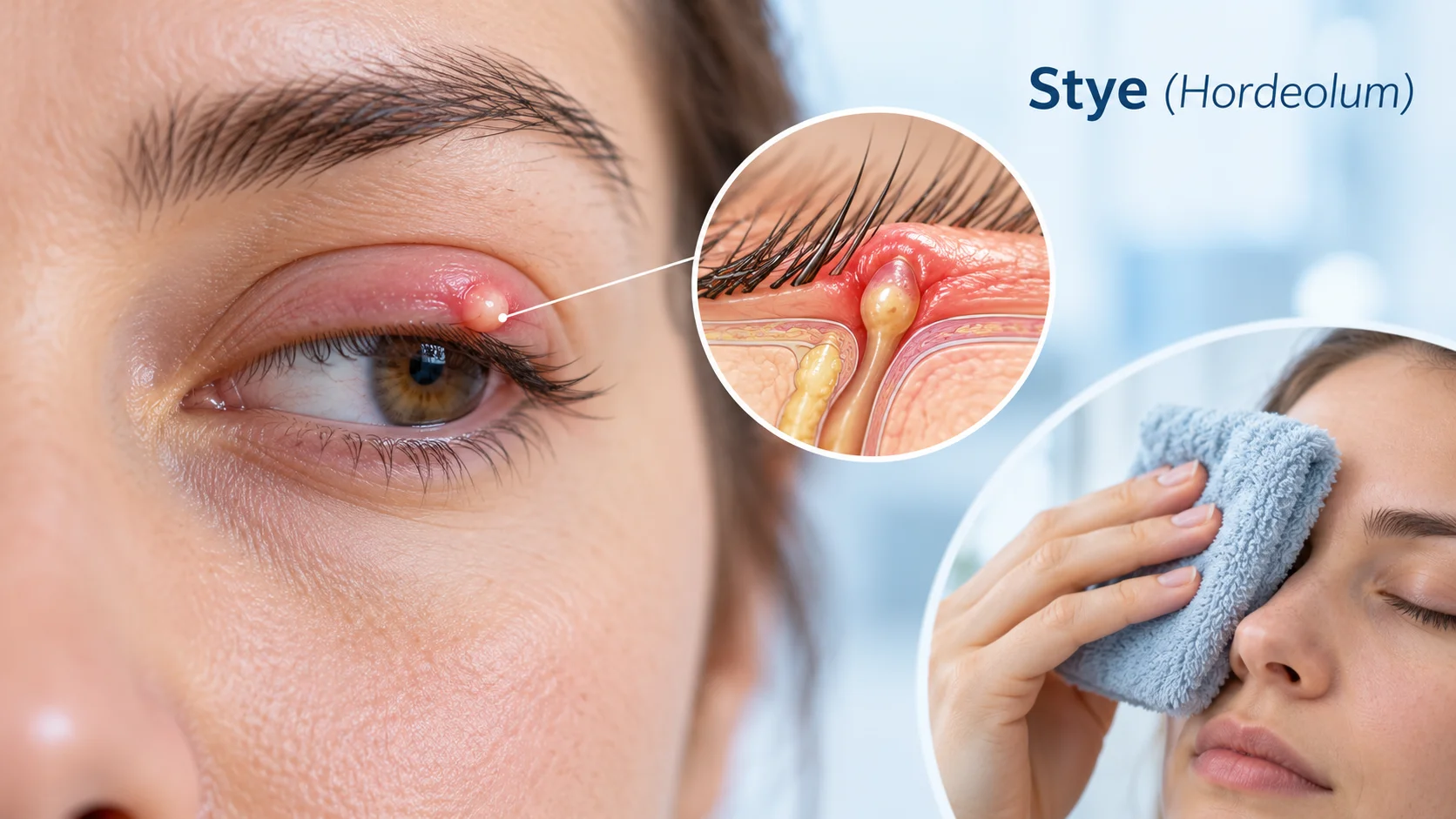
A stye, medically known as a hordeolum, is a small, painful, red bump that develops on or near the edge of the eyelid, resulting from an infected oil gland or eyelash follicle.
2 min read
Diseases and Disorders
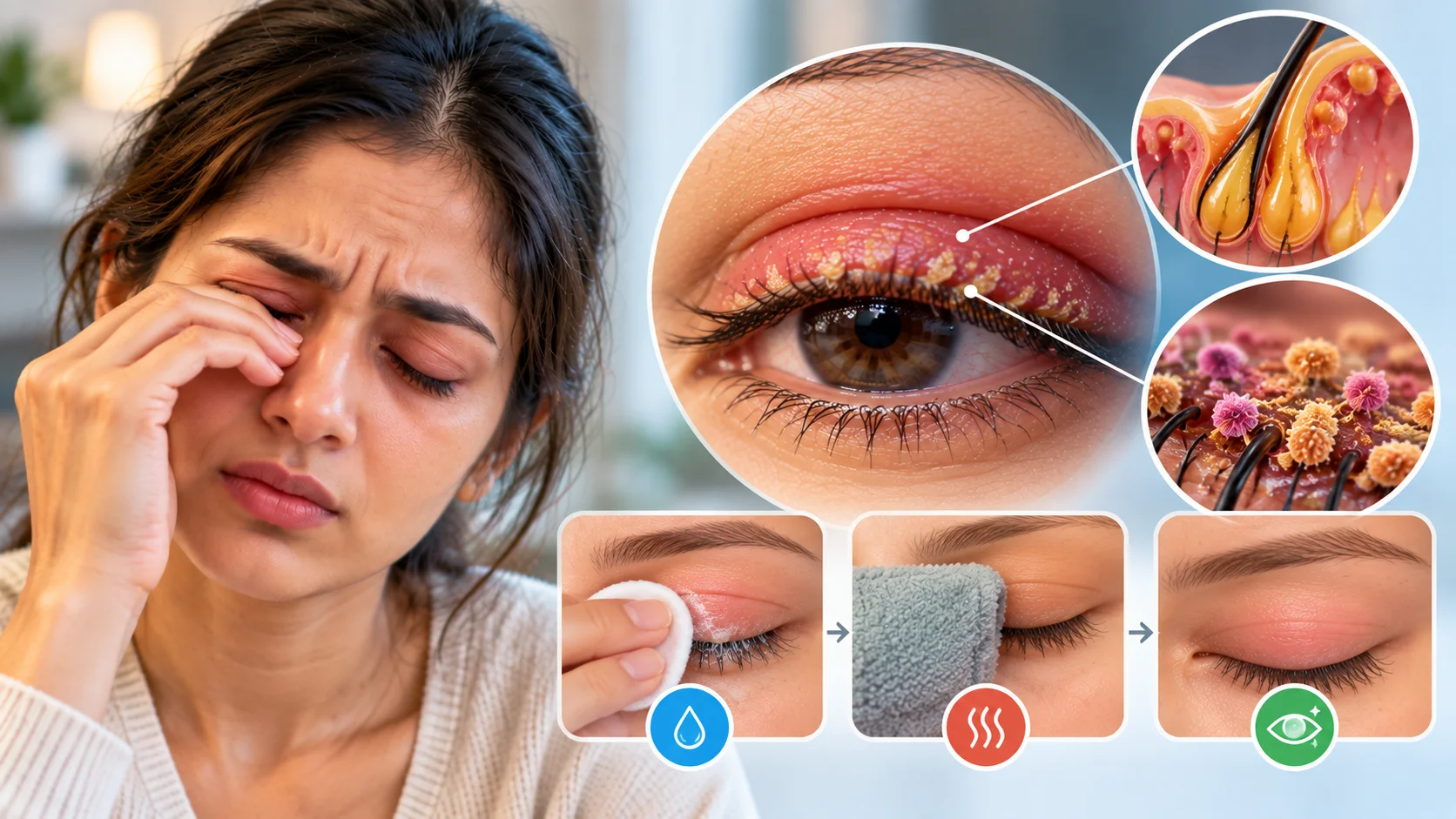
Blepharitis is a chronic condition involving inflammation of the eyelids, particularly along the edges where the eyelashes are located.
2 min read
Diseases and Disorders
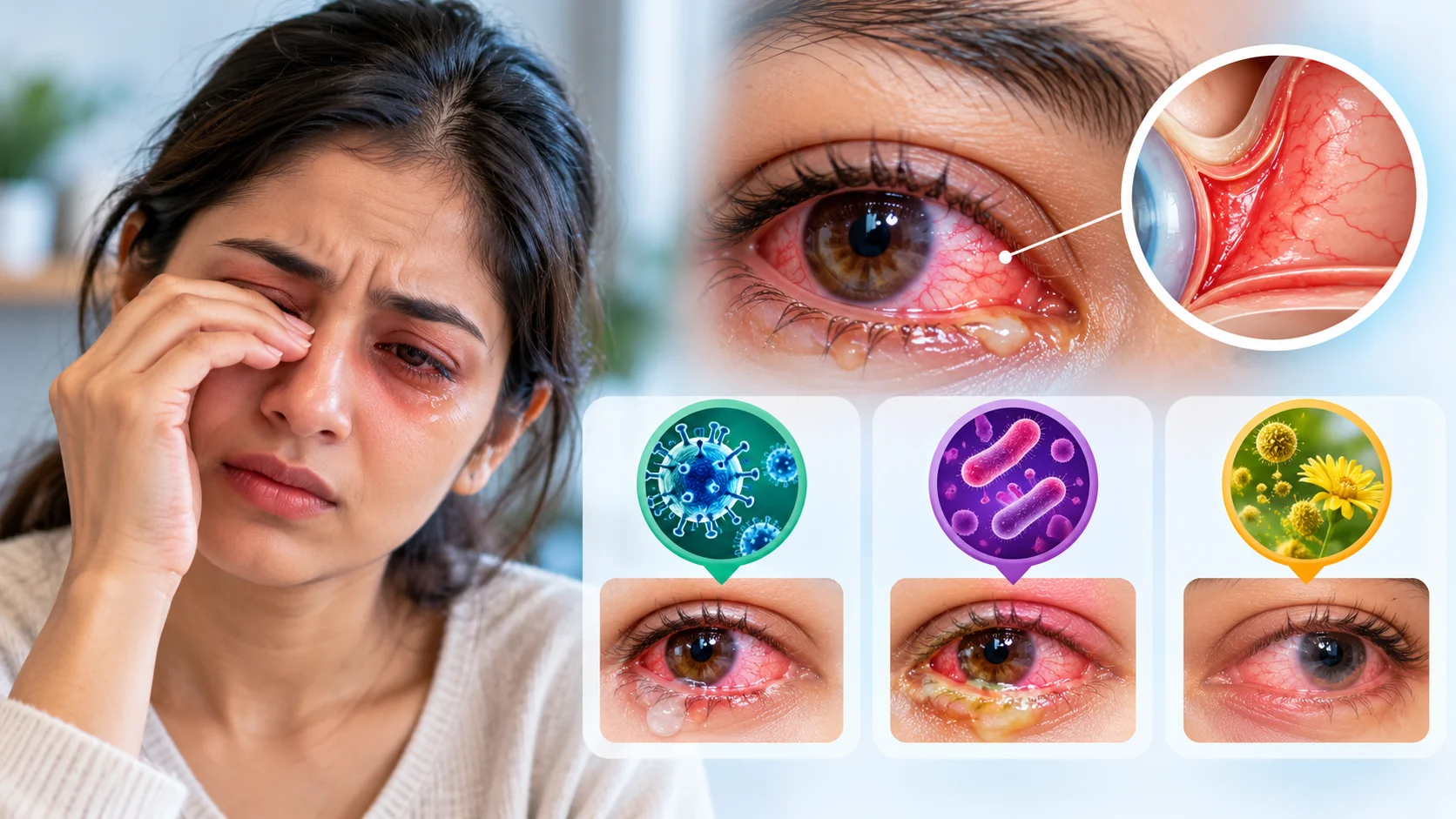
Conjunctivitis, commonly known as pink eye, is inflammation of the conjunctiva, the thin, clear membrane covering the white part of the eye and the inner surface of the eyelids.
2 min read
Diseases and Disorders
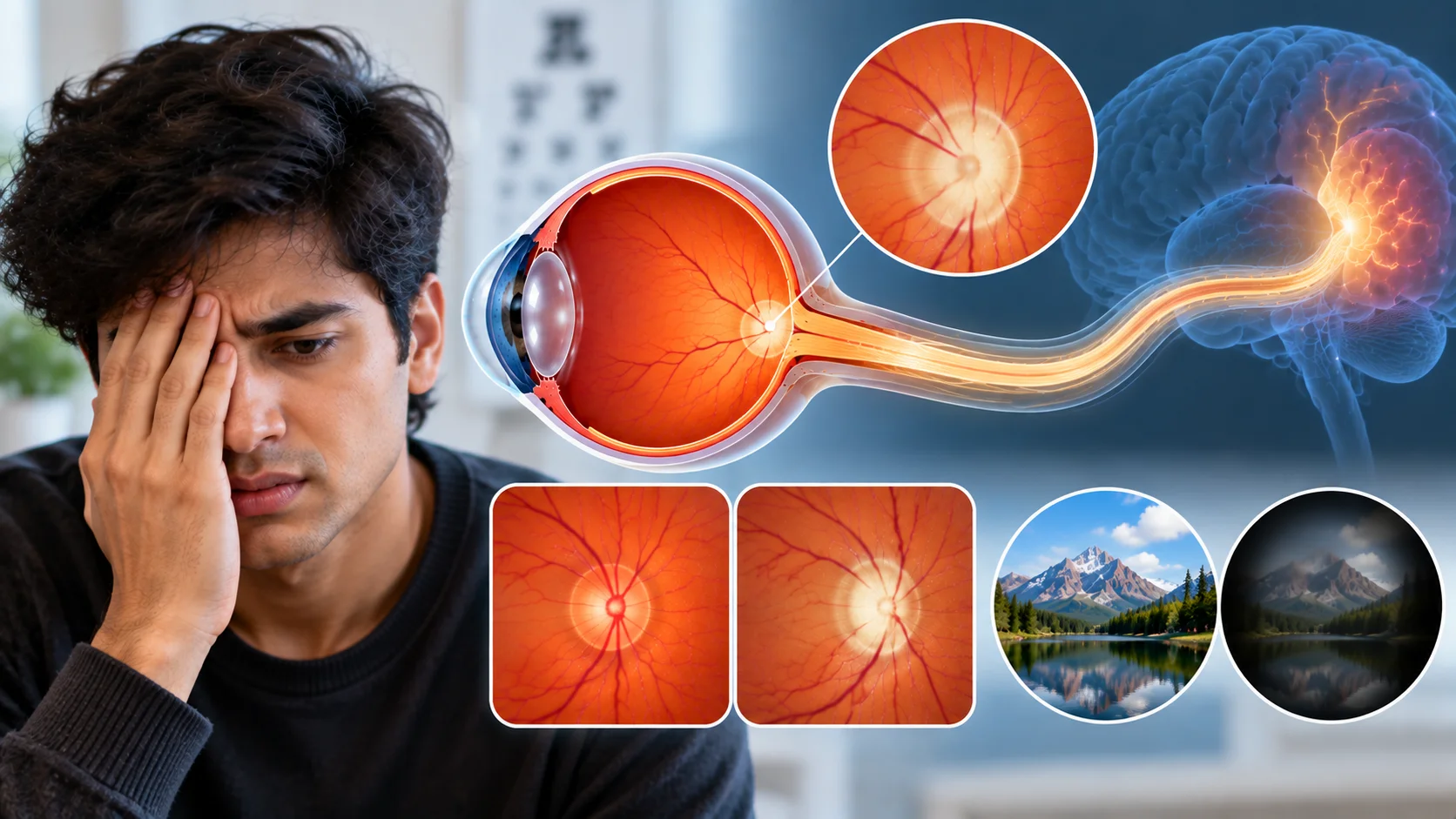
Optic atrophy refers to damage or degeneration of the optic nerve, the structure responsible for carrying visual signals from the eye to the brain, resulting in the nerve appearing pale and thinned when examined.
3 min read
Diseases and Disorders
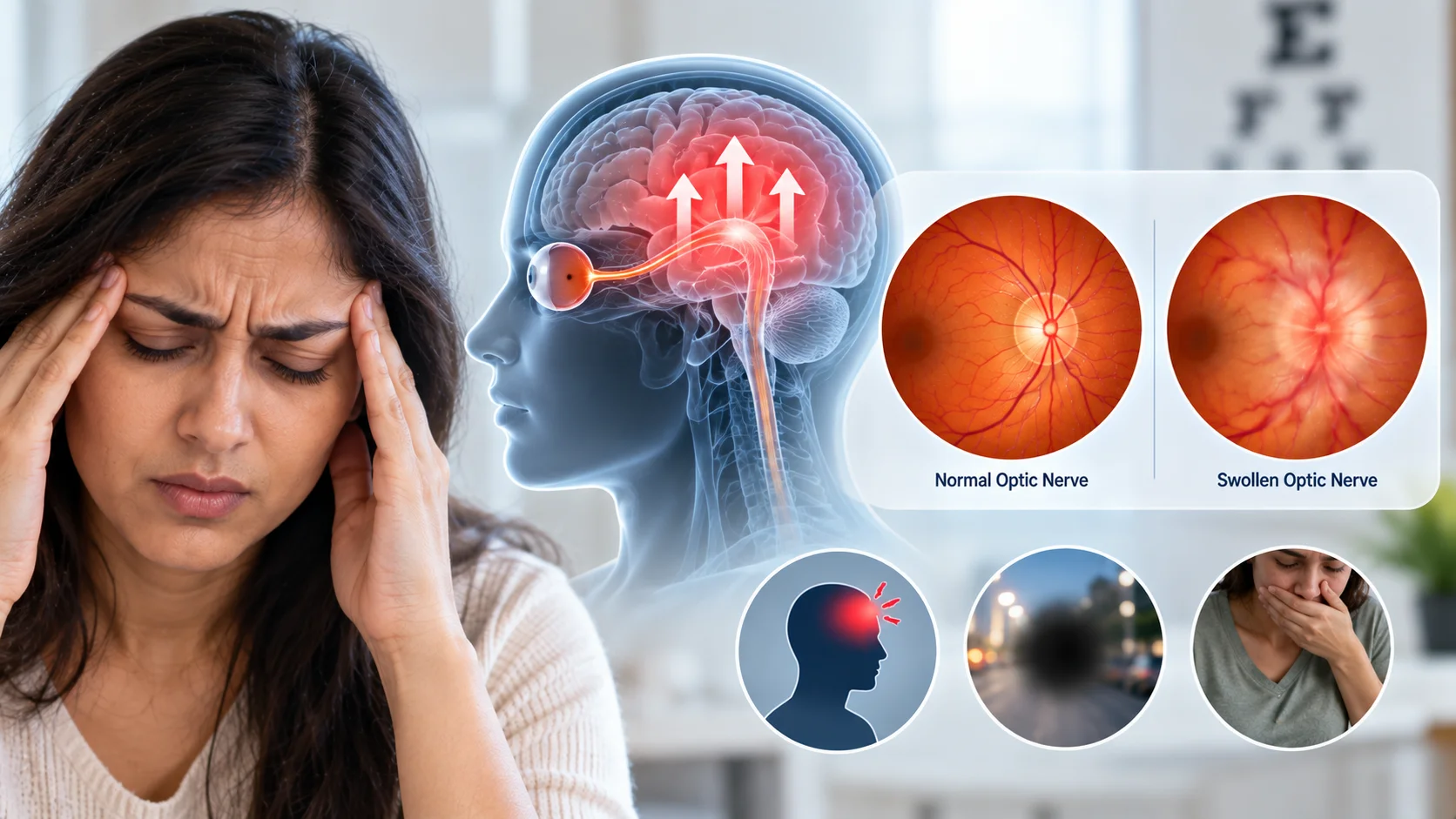
Papilledema is swelling of the optic nerve head, the point where the optic nerve enters the eye, occurring specifically as a result of increased pressure within the skull.
3 min read
Diseases and Disorders
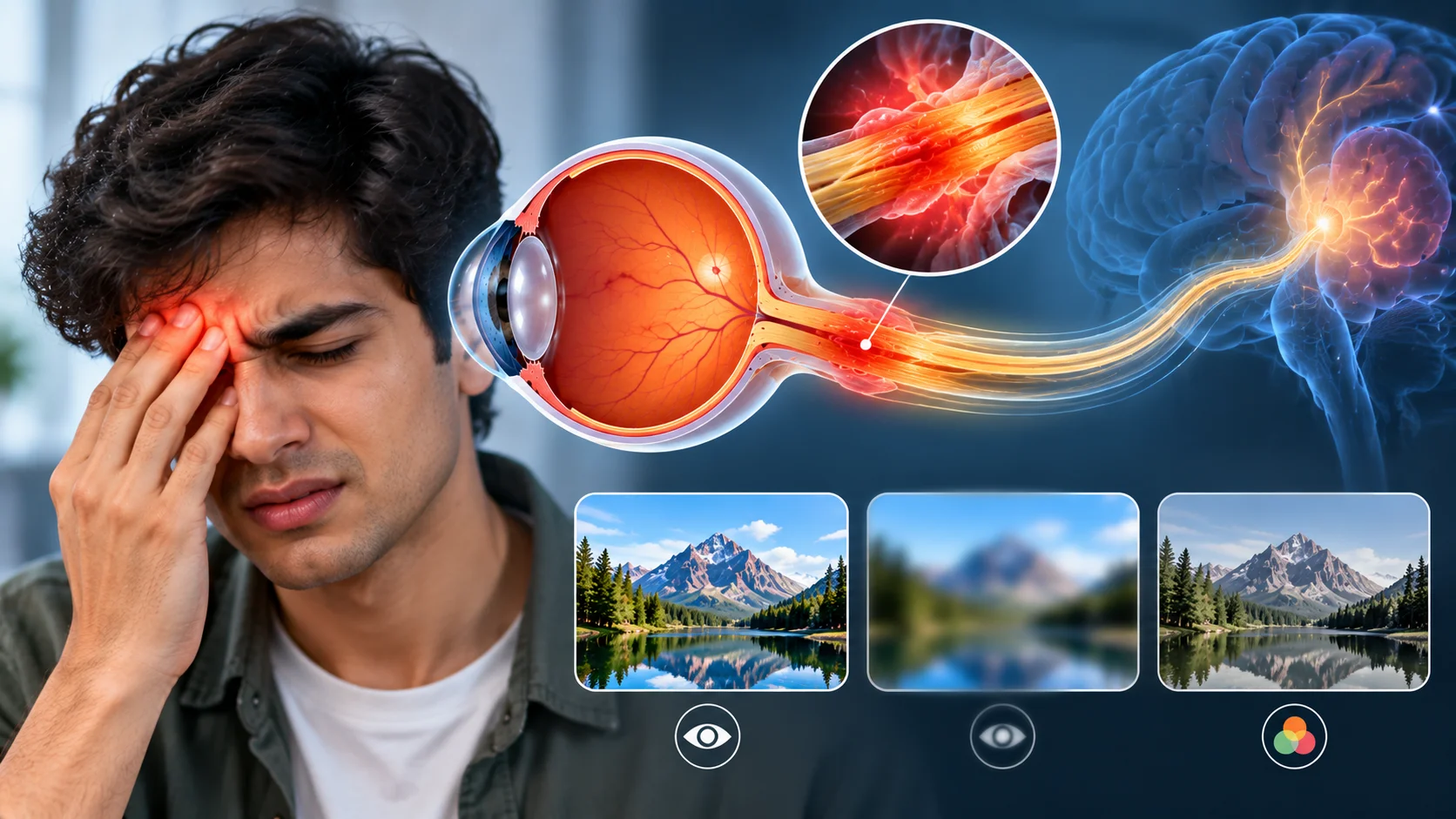
Optic neuritis is inflammation of the optic nerve, the structure responsible for carrying visual information from the eye to the brain, which can cause sudden vision changes.
3 min read
Diseases and Disorders
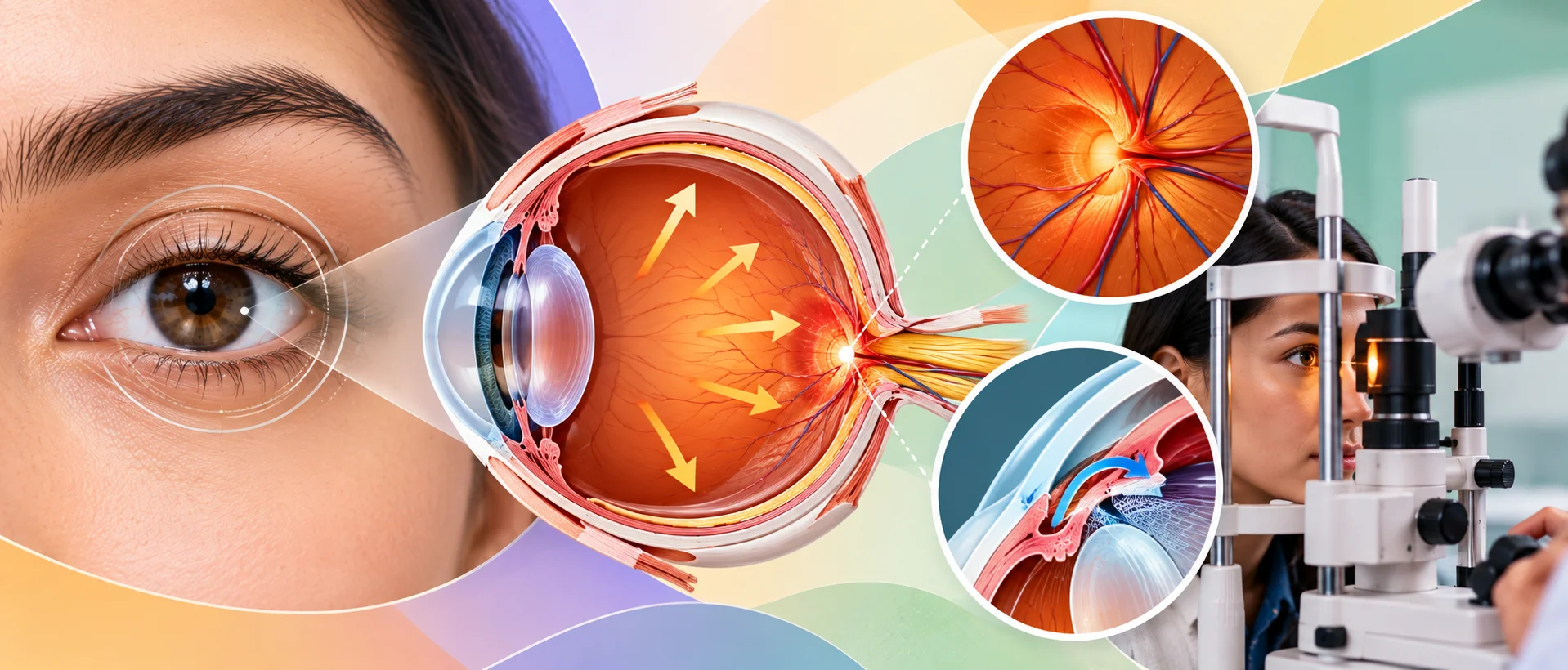
Glaucoma is a group of eye conditions that damage the optic nerve, the structure responsible for carrying visual information from the eye to the brain, often, though not always, associated with elevated pressure withi...
2 min read
Diseases and Disorders
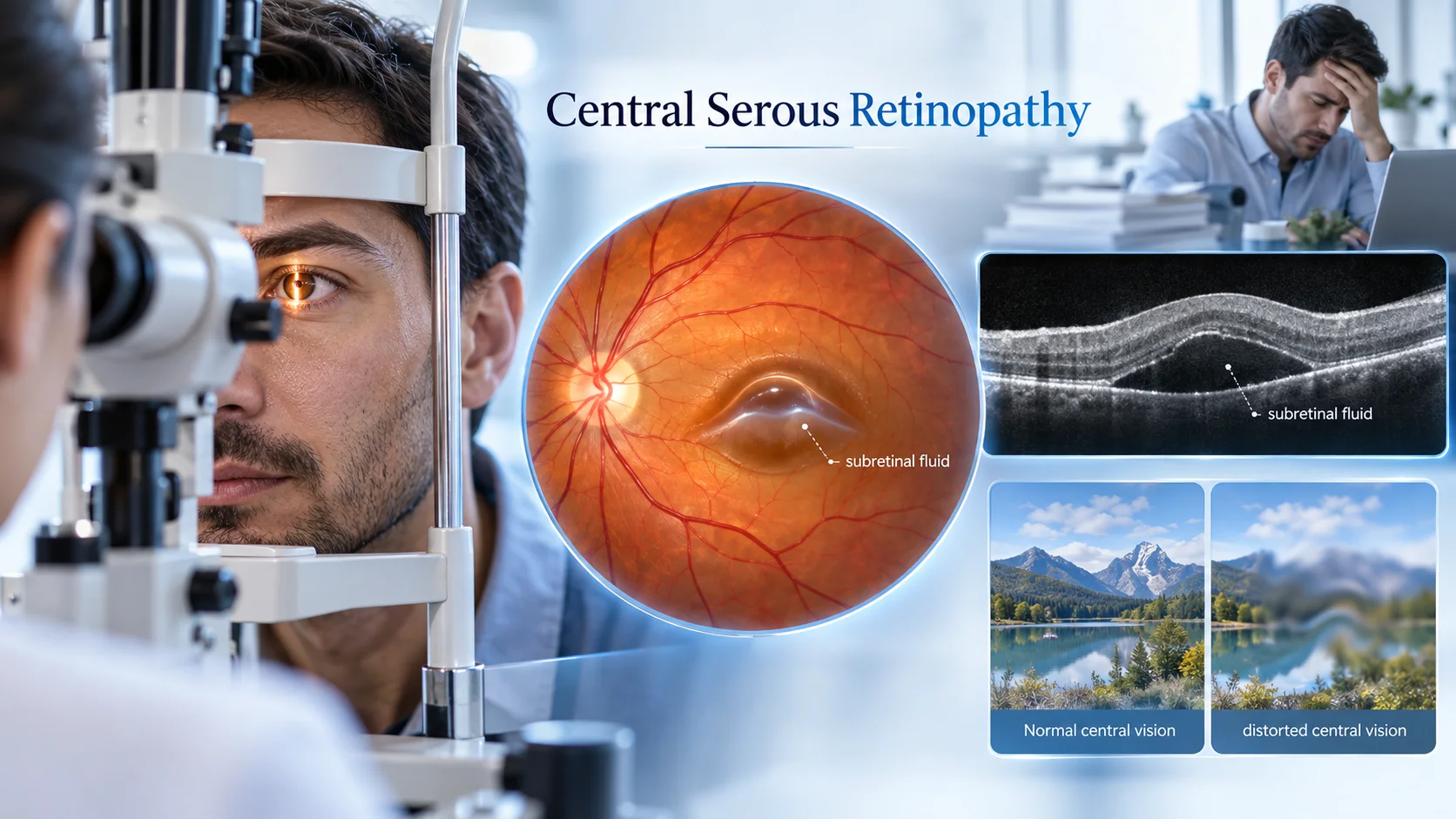
Central serous retinopathy is a condition in which fluid accumulates beneath the retina, particularly around the macula, causing a small area of the retina to lift slightly away from the underlying tissue.
3 min read
Diseases and Disorders
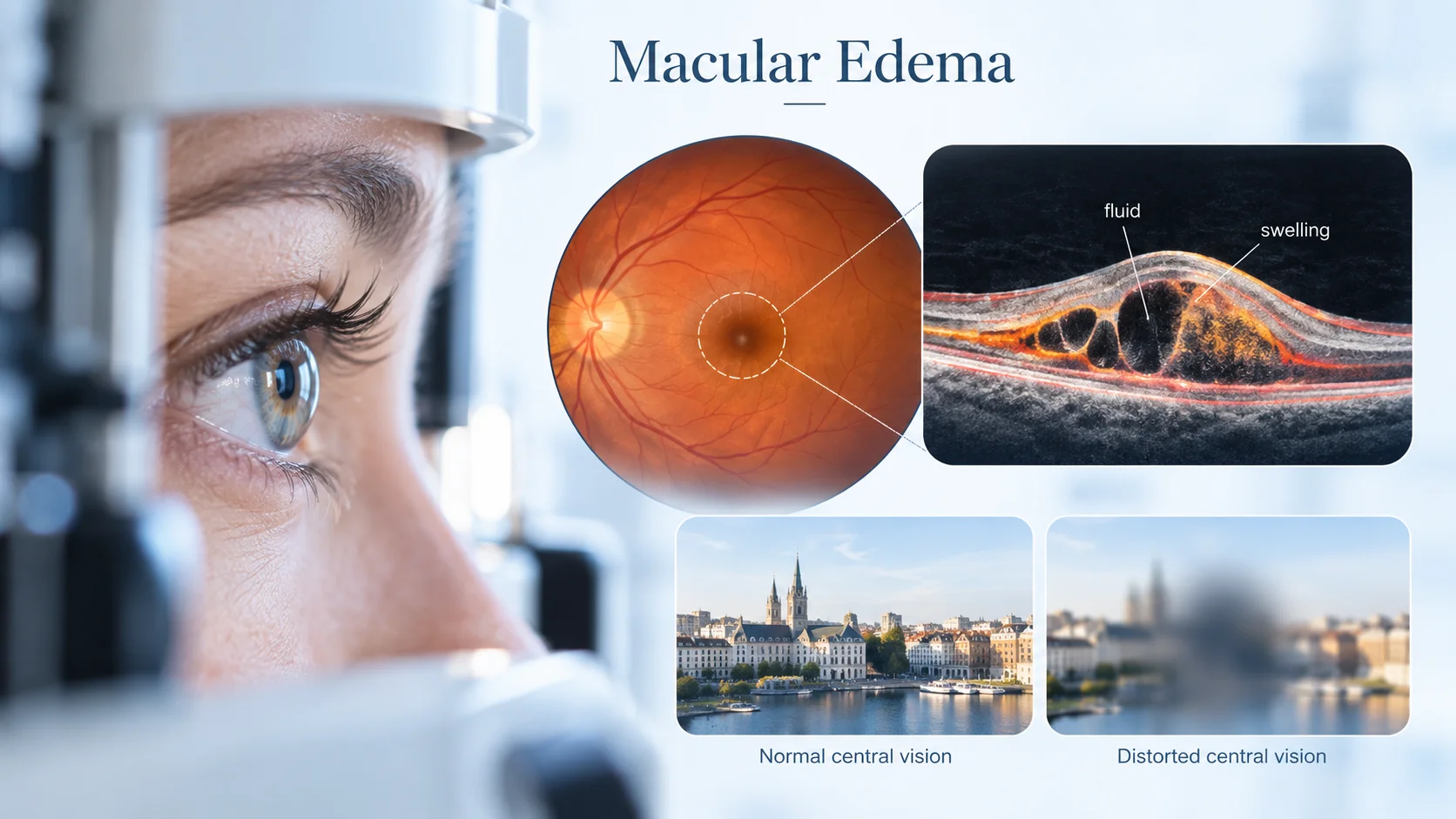
Macular edema is swelling of the macula, the central part of the retina, caused by fluid accumulating within its tissue.
3 min read

Diseases and Disorders
A macular hole is a small break or gap that forms in the macula, the central part of the retina responsible for sharp, detailed vision.
3 min read
Diseases and Disorders
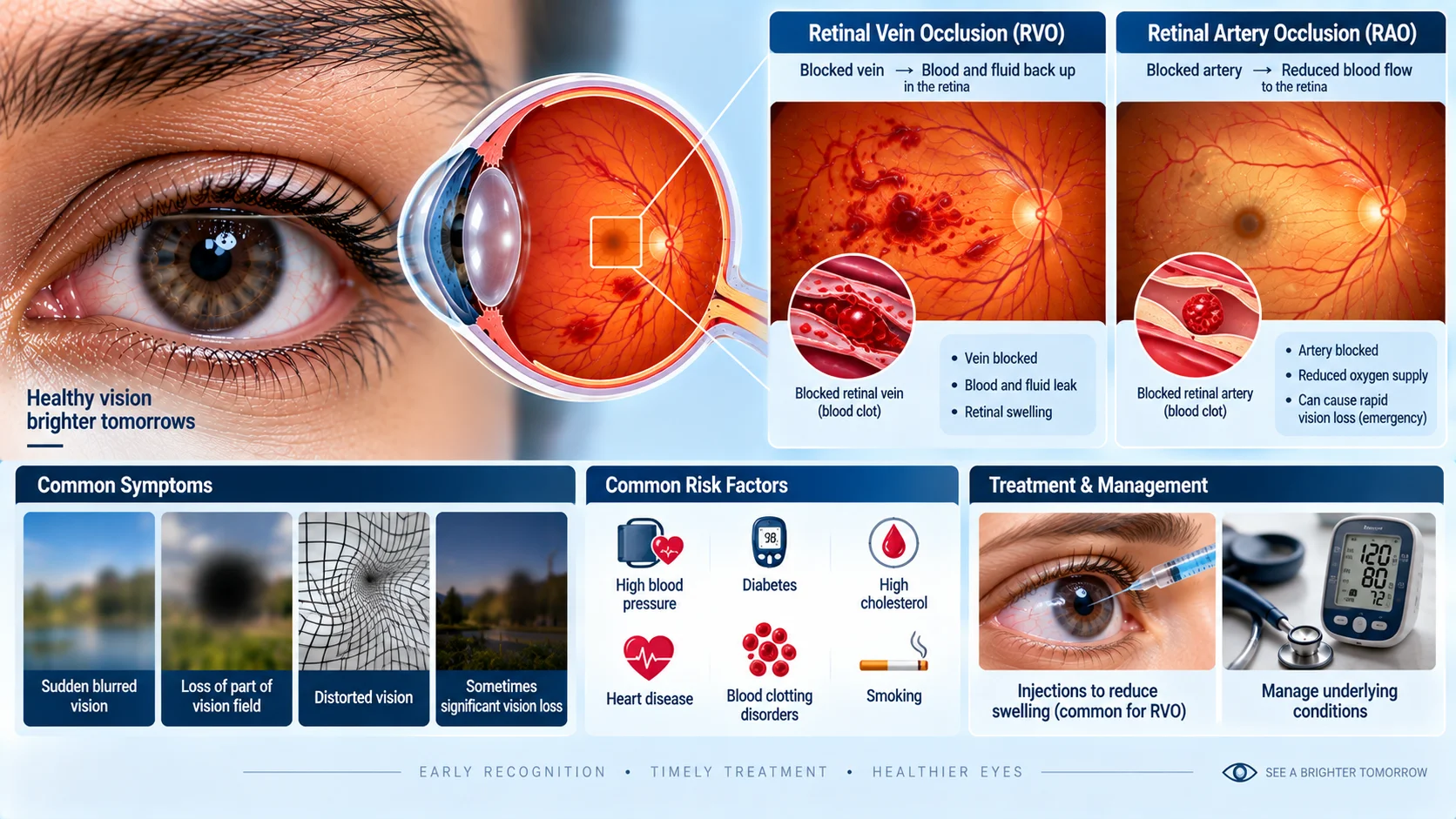
Retinal vein or artery occlusion is a blockage affecting one of the blood vessels supplying the retina, interrupting normal blood flow to part or all of this light-sensitive tissue.
3 min read
Diseases and Disorders
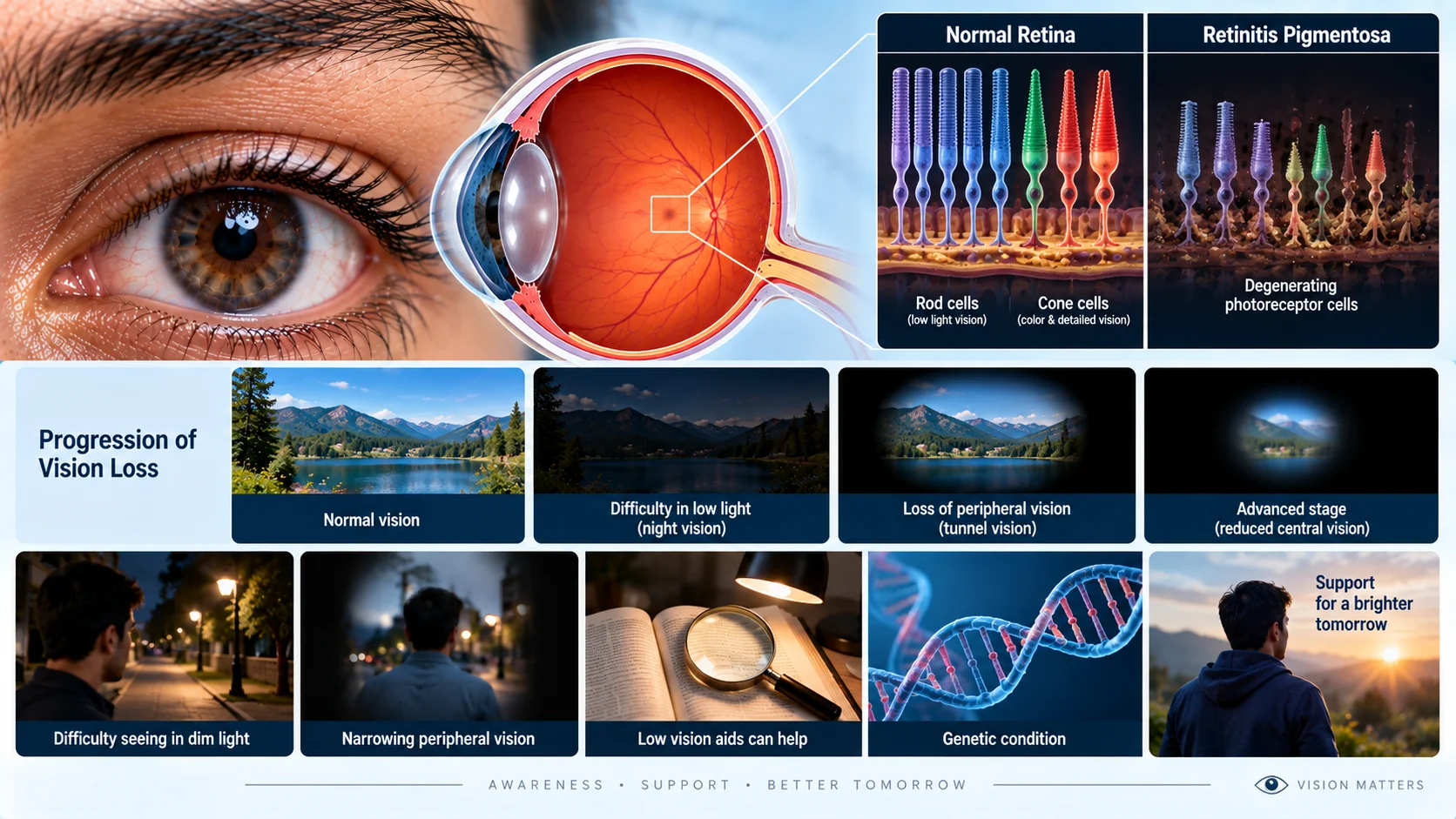
Retinitis pigmentosa is a group of inherited conditions that cause the light-sensitive cells of the retina to gradually break down over time, leading to progressive vision loss.
3 min read
Diseases and Disorders
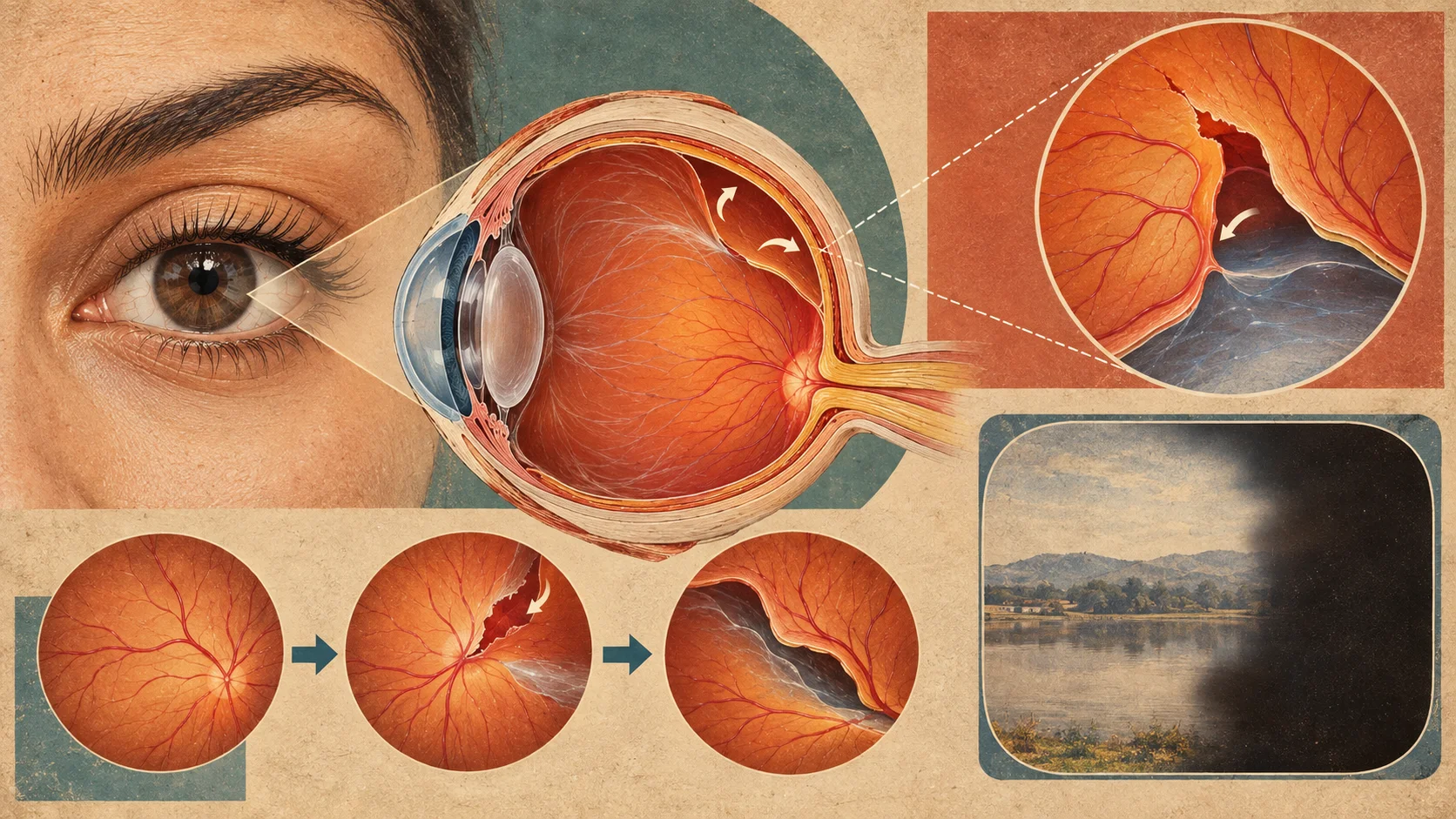
Retinal detachment is a serious condition in which the retina, the light-sensitive layer of tissue at the back of the eye, pulls away from the underlying tissue that supplies it with oxygen and nutrients.
2 min read
Diseases and Disorders
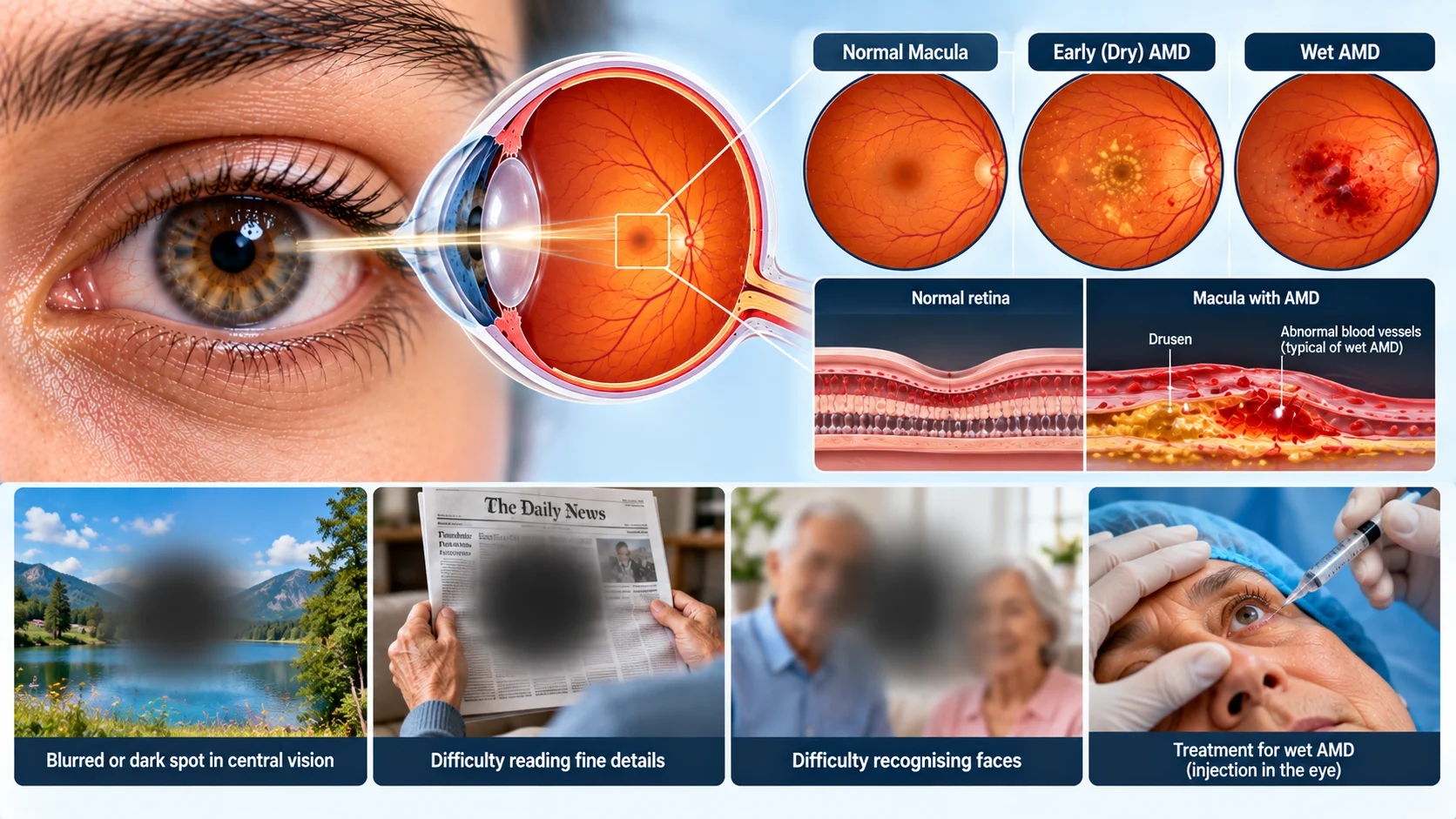
Age-related macular degeneration, commonly abbreviated as AMD, is a condition that affects the macula, the central part of the retina responsible for sharp, detailed central vision, typically developing in older adults.
3 min read
Diseases and Disorders
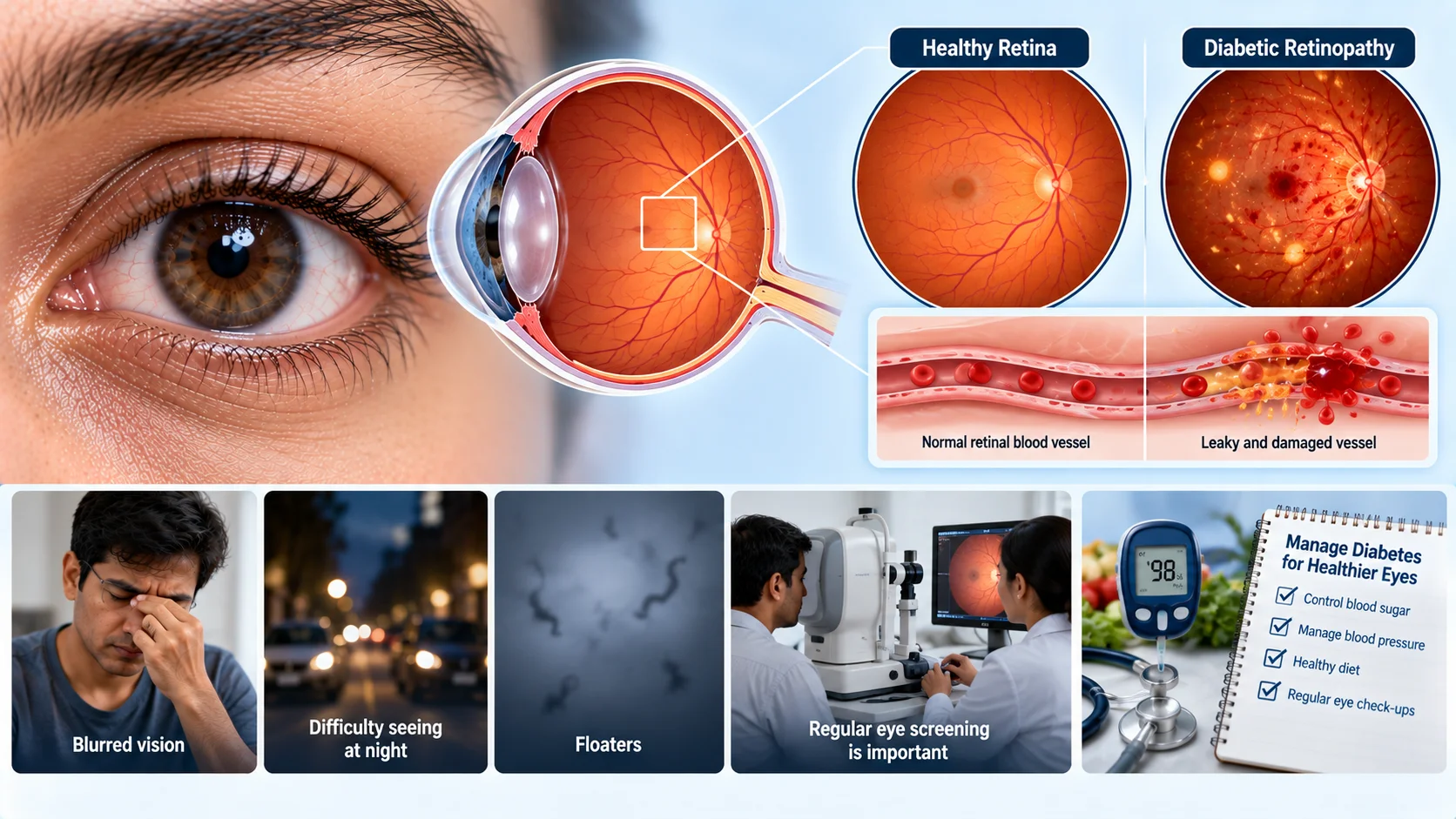
Diabetic retinopathy is damage to the blood vessels of the retina, the light-sensitive layer of tissue at the back of the eye, occurring as a complication of long-standing diabetes.
3 min read
Diseases and Disorders
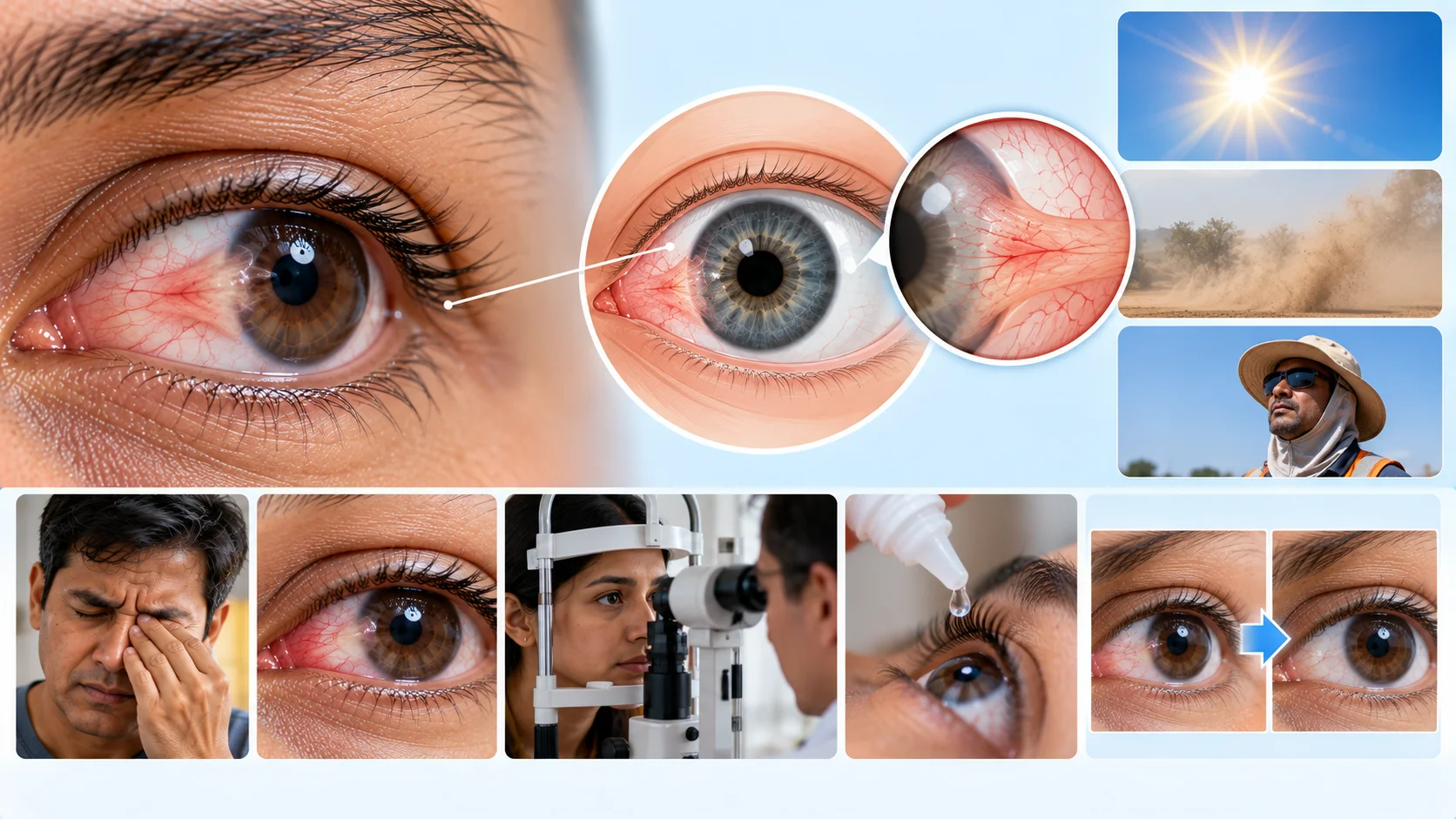
A pterygium is a growth of pink, fleshy tissue that develops on the white part of the eye, sometimes extending onto the cornea, typically appearing on the side of the eye closest to the nose.
3 min read
Diseases and Disorders
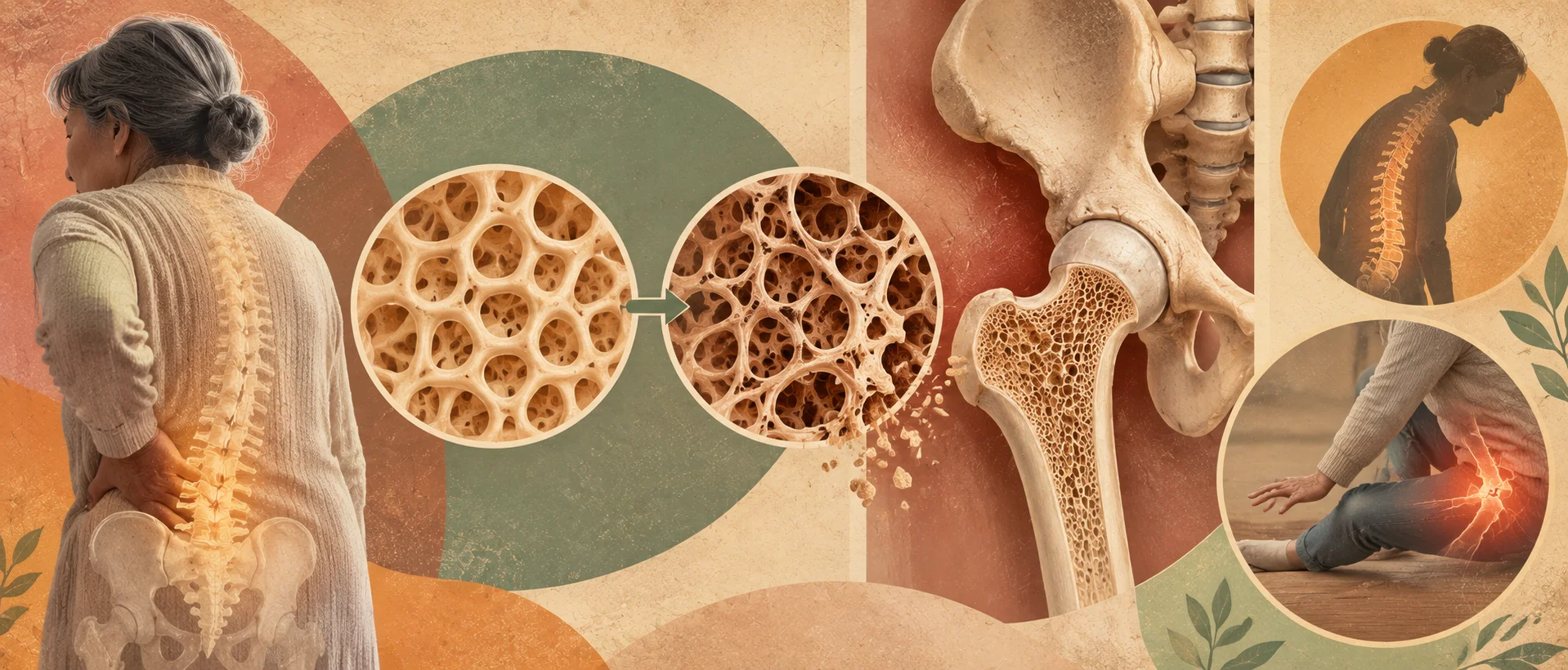
Osteoporosis is a condition in which bones gradually lose density and become weaker and more fragile than normal, increasing the risk of fractures even from relatively minor falls or impacts.
2 min read
Diseases and Disorders
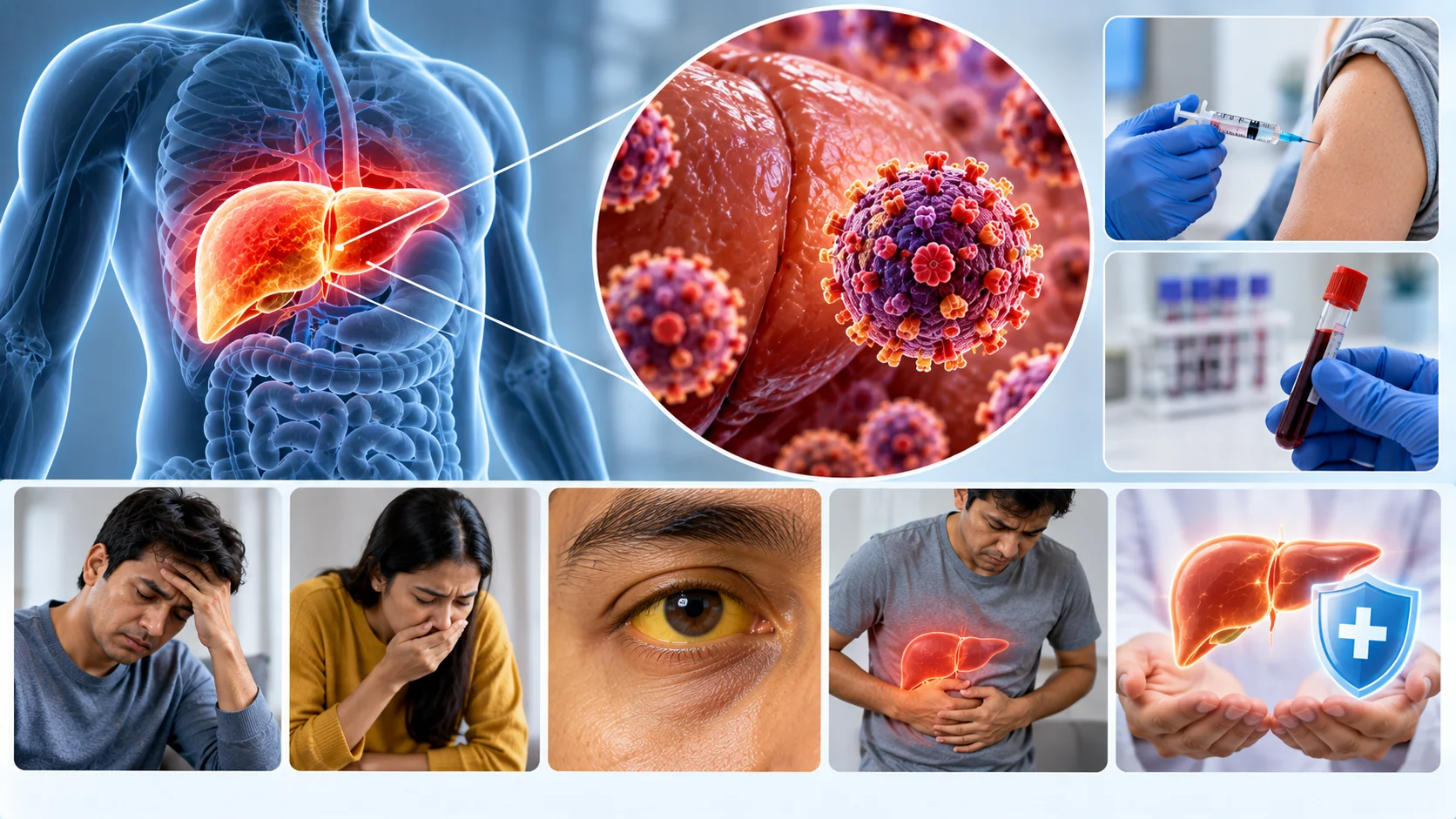
Hepatitis B is a viral infection that primarily affects the liver, caused by the hepatitis B virus. It can occur as a short-term, acute infection or develop into a long-term, chronic condition.
3 min read
Diseases and Disorders
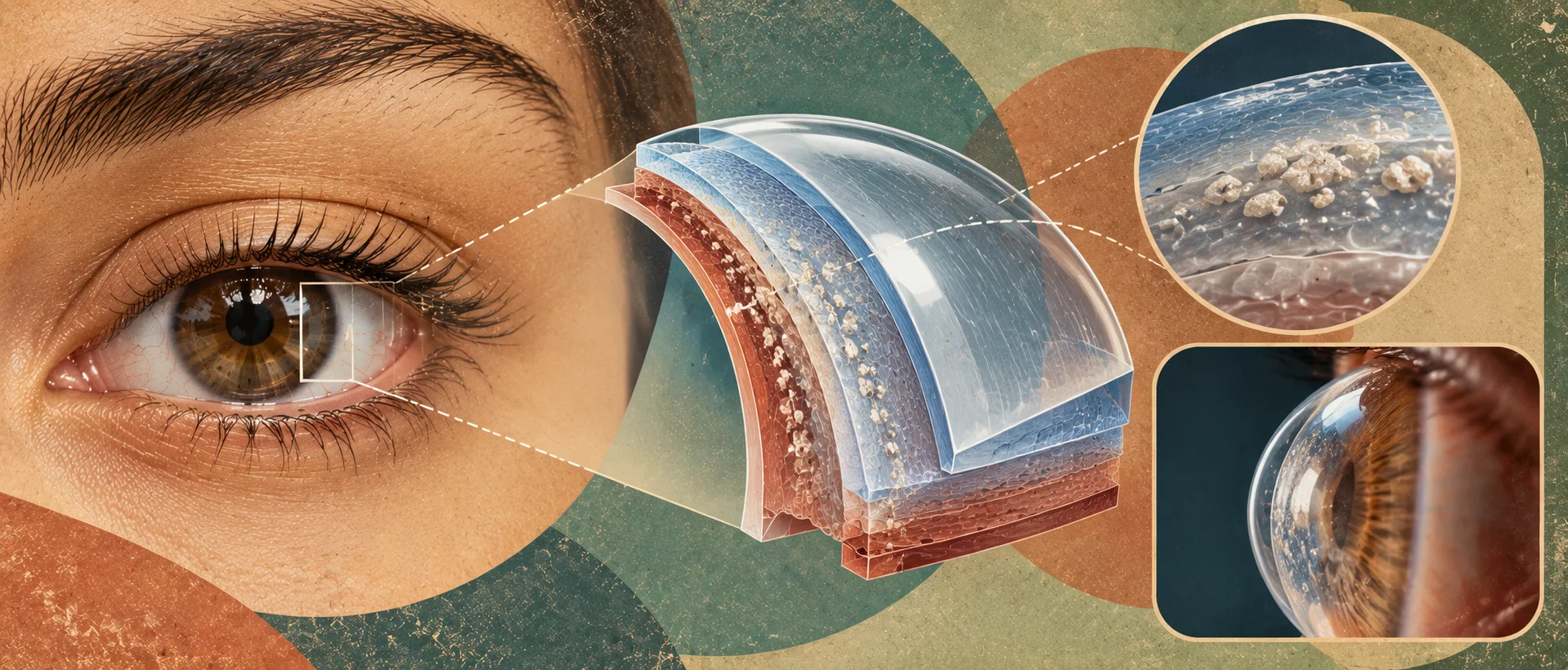
Corneal dystrophy refers to a group of inherited conditions in which abnormal material gradually builds up within one or more layers of the cornea, generally affecting both eyes.
2 min read

Diseases and Disorders
Epilepsy is a chronic neurological condition characterized by a tendency to experience recurrent seizures, which result from sudden, abnormal bursts of electrical activity in the brain.
3 min read
Diseases and Disorders
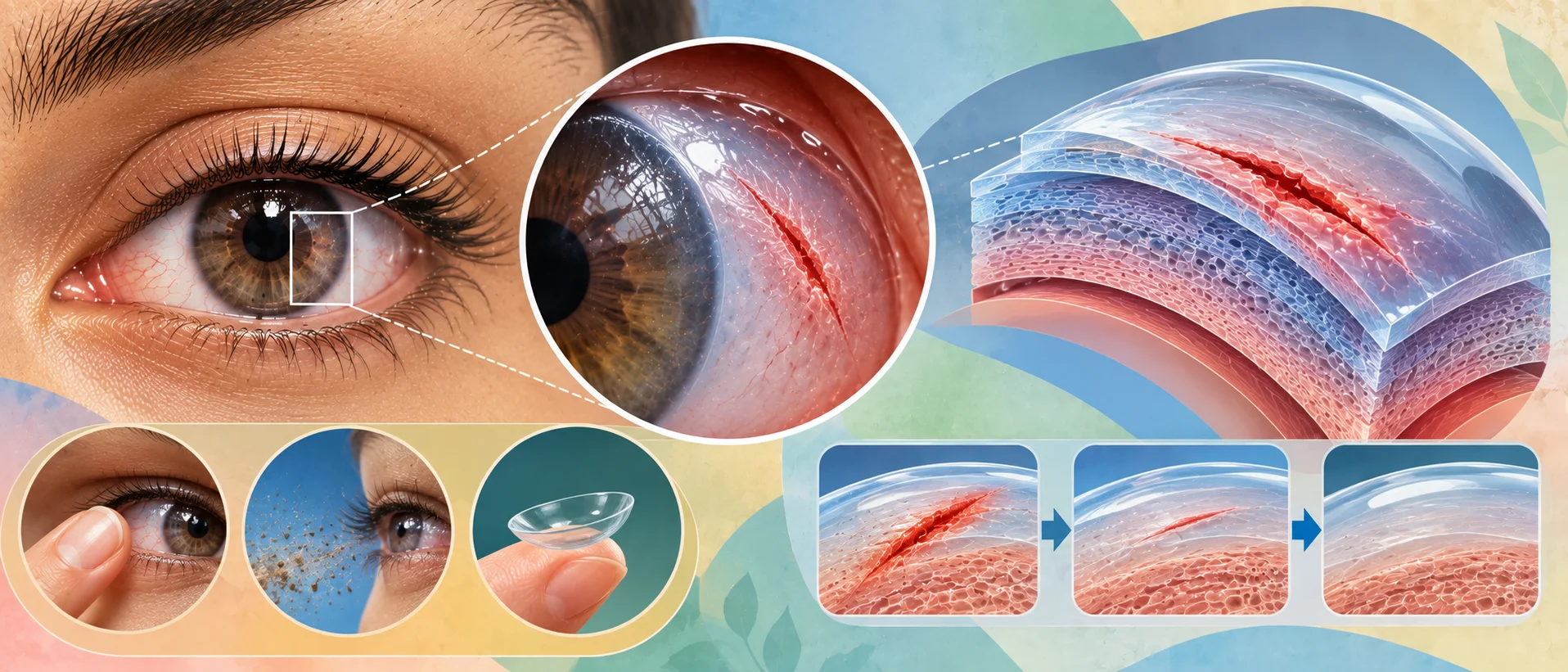
A corneal abrasion is a scratch or scrape on the surface of the cornea, the clear front layer of the eye, typically resulting from minor injury.
2 min read

Diseases and Disorders
Parkinson's disease is a chronic, progressive condition that primarily affects movement, resulting from the gradual loss of specific nerve cells in the brain responsible for producing dopamine, a chemical messenger in...
3 min read
Diseases and Disorders
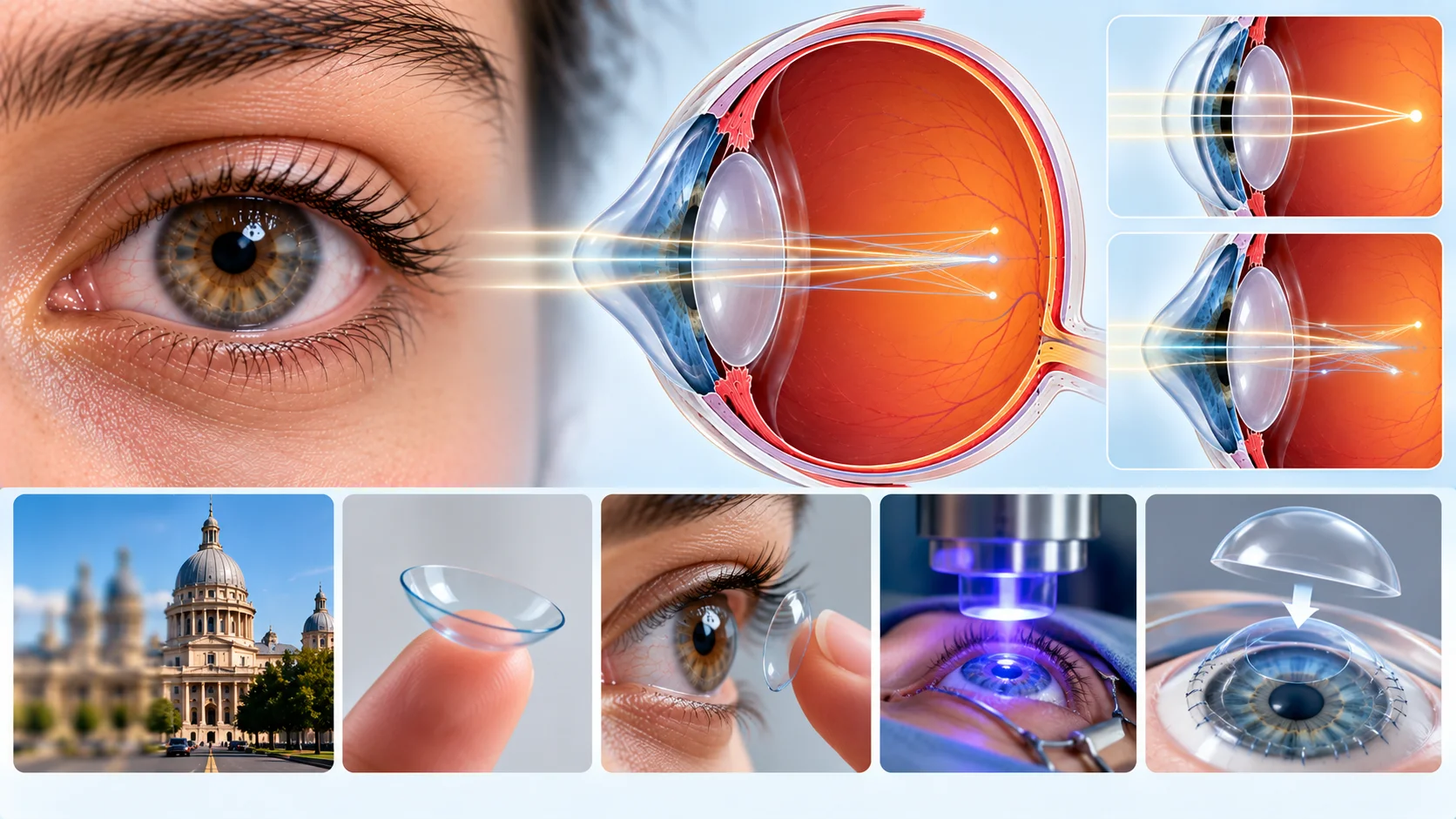
Keratoconus is a progressive condition in which the cornea gradually thins and bulges outward into an irregular, cone-like shape, rather than maintaining its normal smooth, dome-like curve.
3 min read
Diseases and Disorders
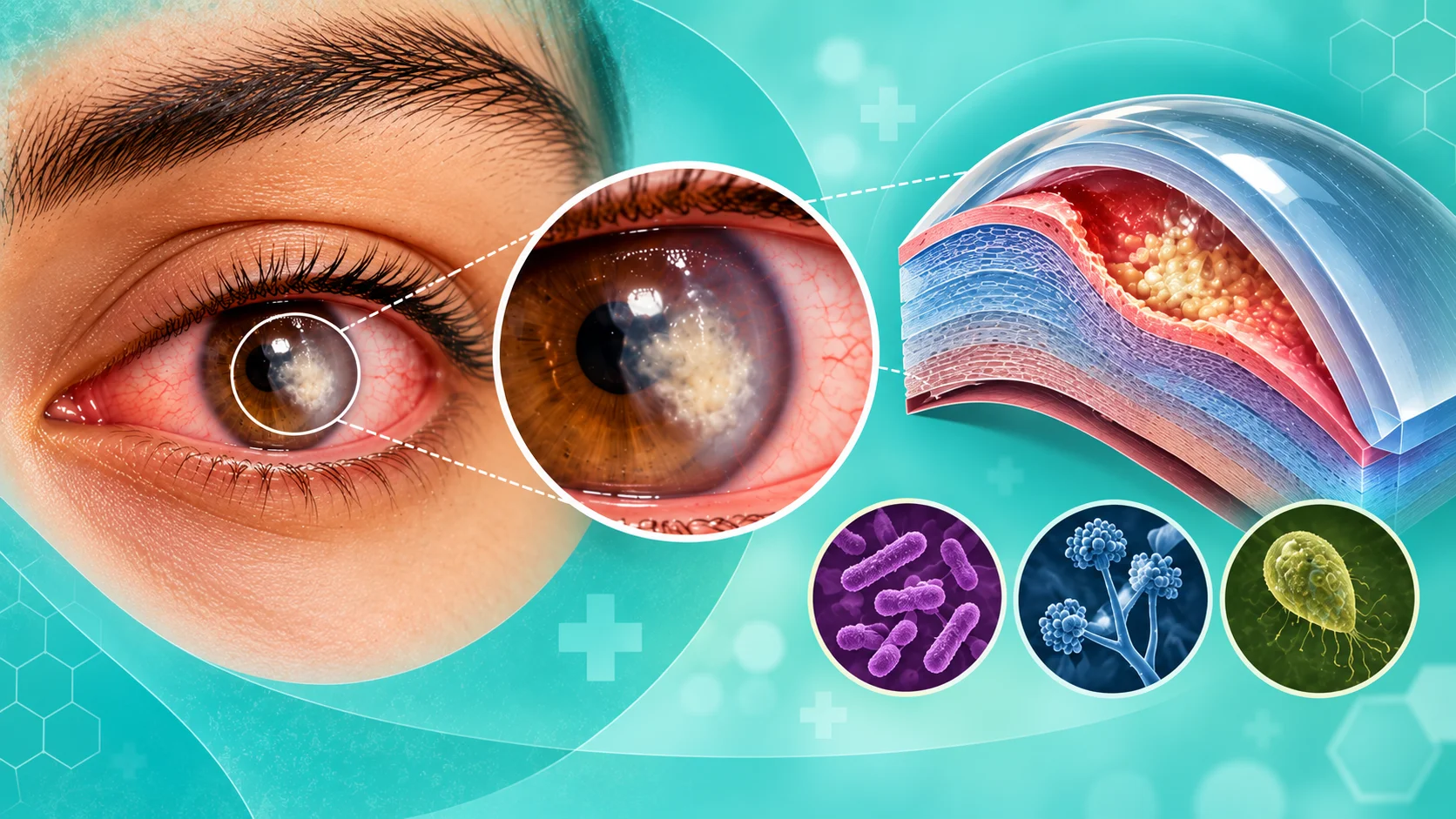
A corneal ulcer is an open sore that develops on the cornea, the clear, dome-shaped front surface of the eye, most commonly caused by infection.
2 min read

Diseases and Disorders
Celiac disease is a chronic autoimmune condition in which consuming gluten, a protein found in wheat, barley, and rye, triggers an immune response that damages the lining of the small intestine.
3 min read
Diseases and Disorders
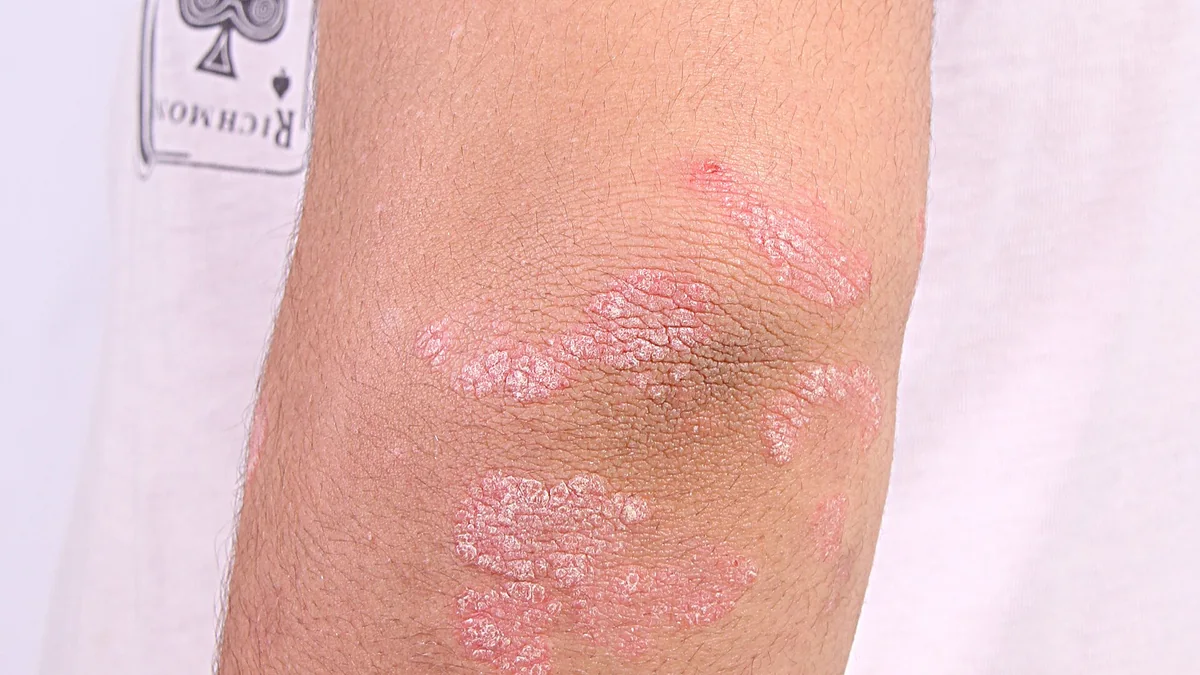
Psoriasis is a chronic condition that affects the skin, caused by an overactive immune system response that leads to skin cells being produced much faster than normal.
3 min read
Diseases and Disorders
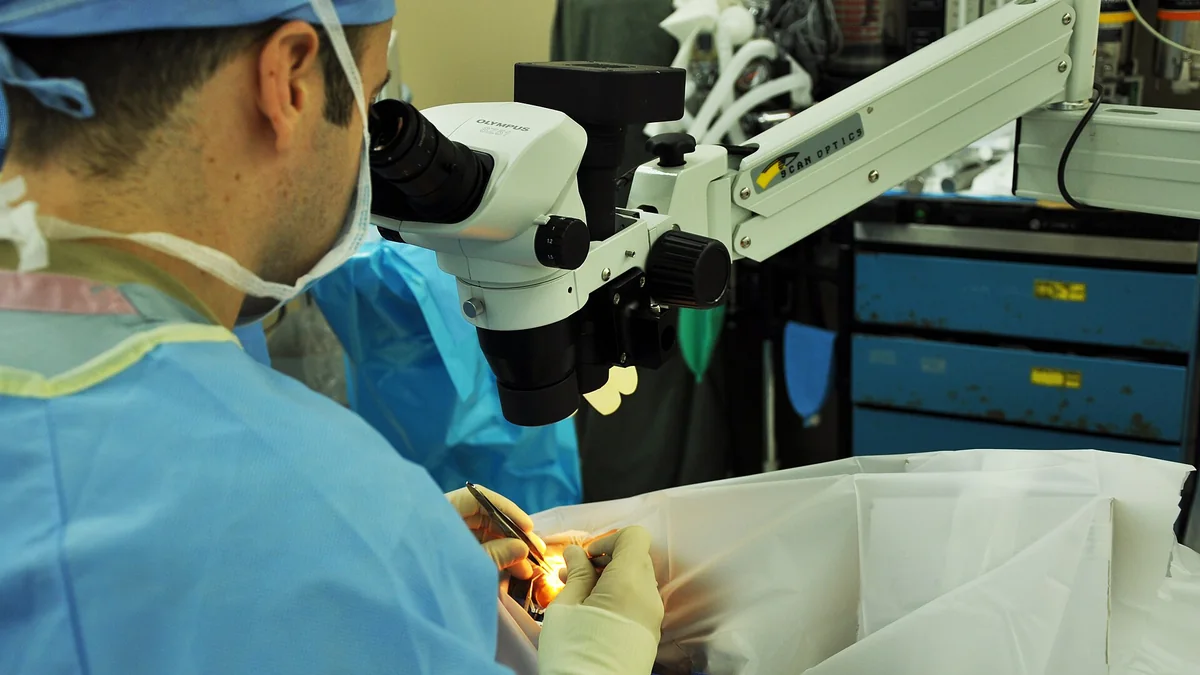
A cataract is a clouding of the eye's naturally clear lens, which can gradually interfere with vision as it progresses.
3 min read

Diseases and Disorders
Type 1 diabetes is a chronic autoimmune condition in which the body's immune system attacks and destroys the insulin-producing cells within the pancreas, resulting in little to no natural insulin production.
3 min read

Diseases and Disorders
Presbyopia is a common, age-related decline in the eye's ability to focus on close objects, generally becoming noticeable in most people starting in their forties.
3 min read
Diseases and Disorders
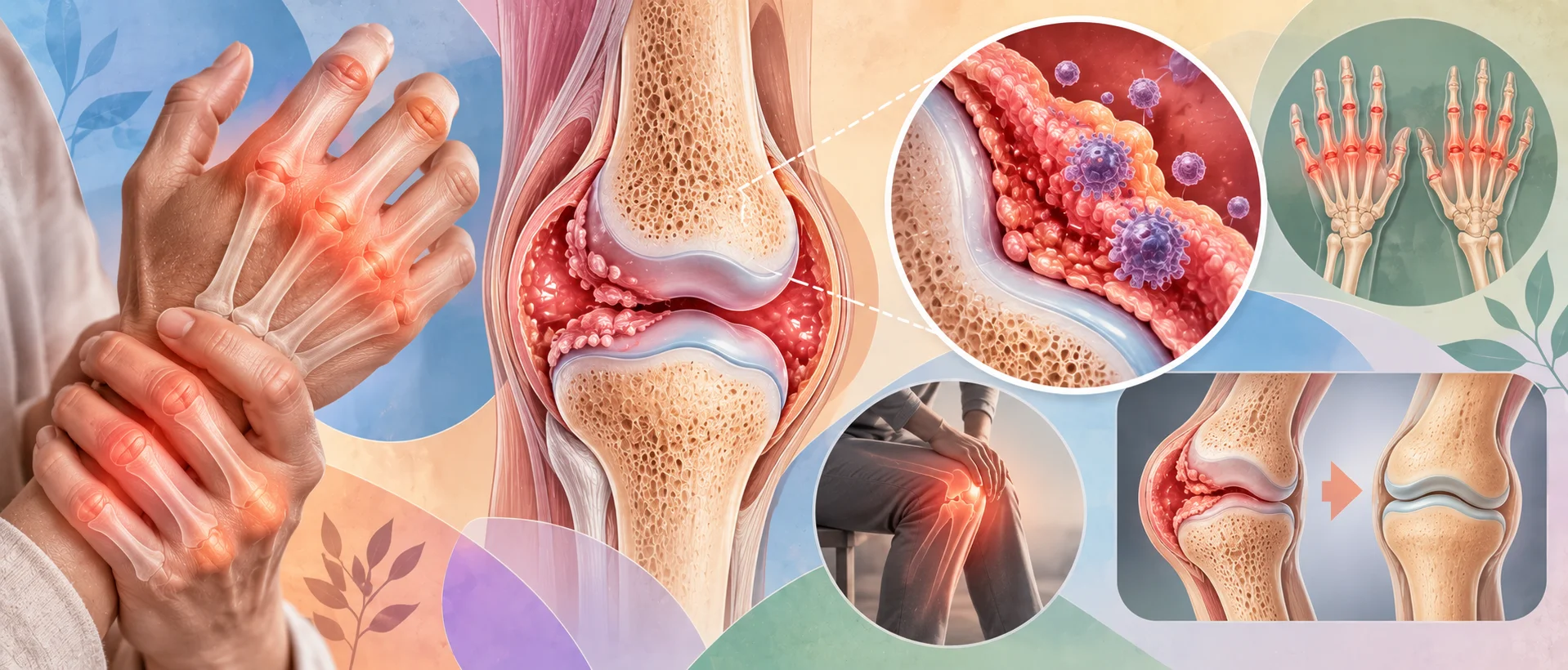
Rheumatoid arthritis is a chronic autoimmune condition that primarily affects the joints, causing inflammation that can lead to pain, swelling, and, over time, joint damage.
2 min read
Diseases and Disorders
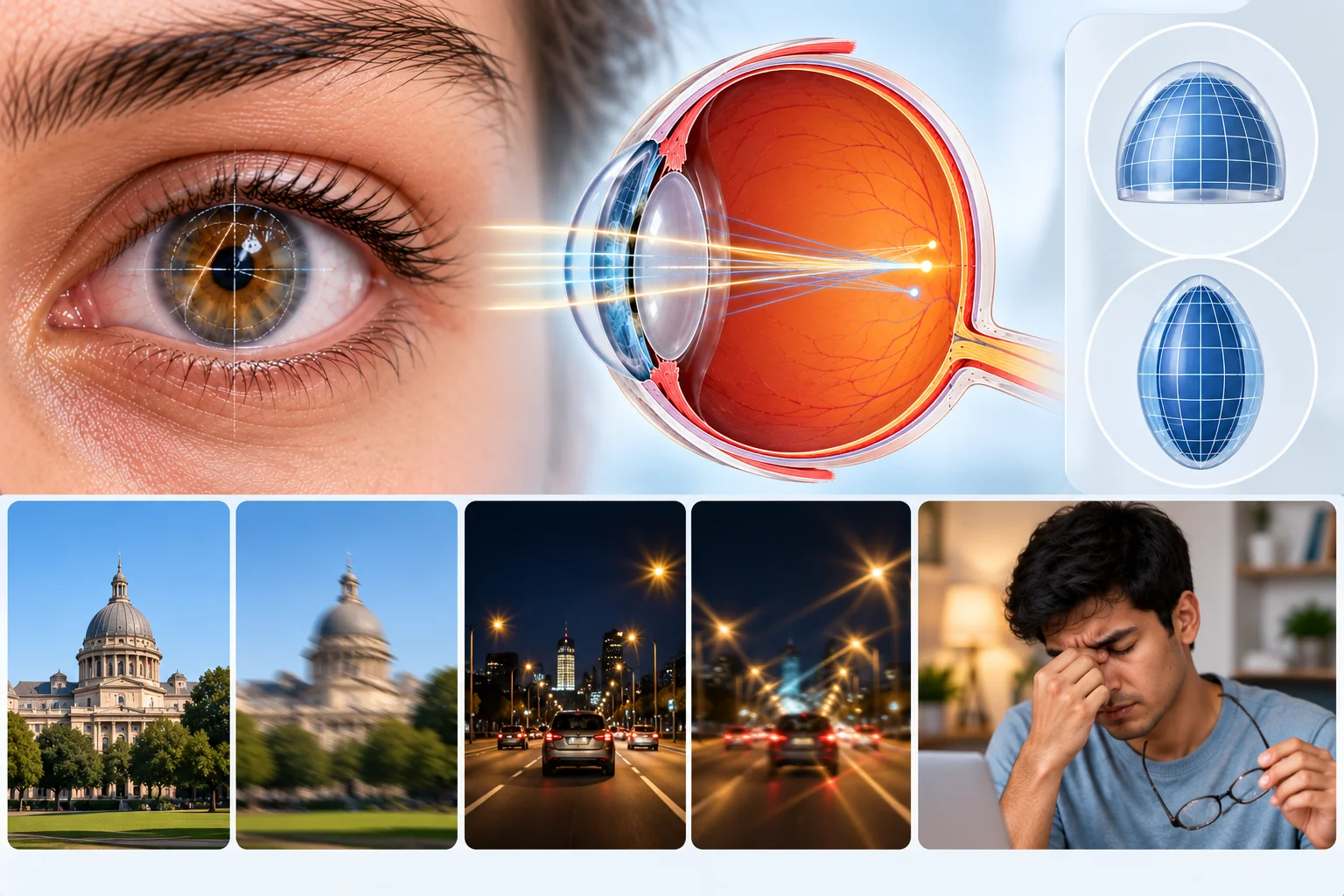
Astigmatism is a common refractive error caused by an irregularly shaped cornea or lens, resulting in blurred or distorted vision at any distance.
3 min read
Diseases and Disorders
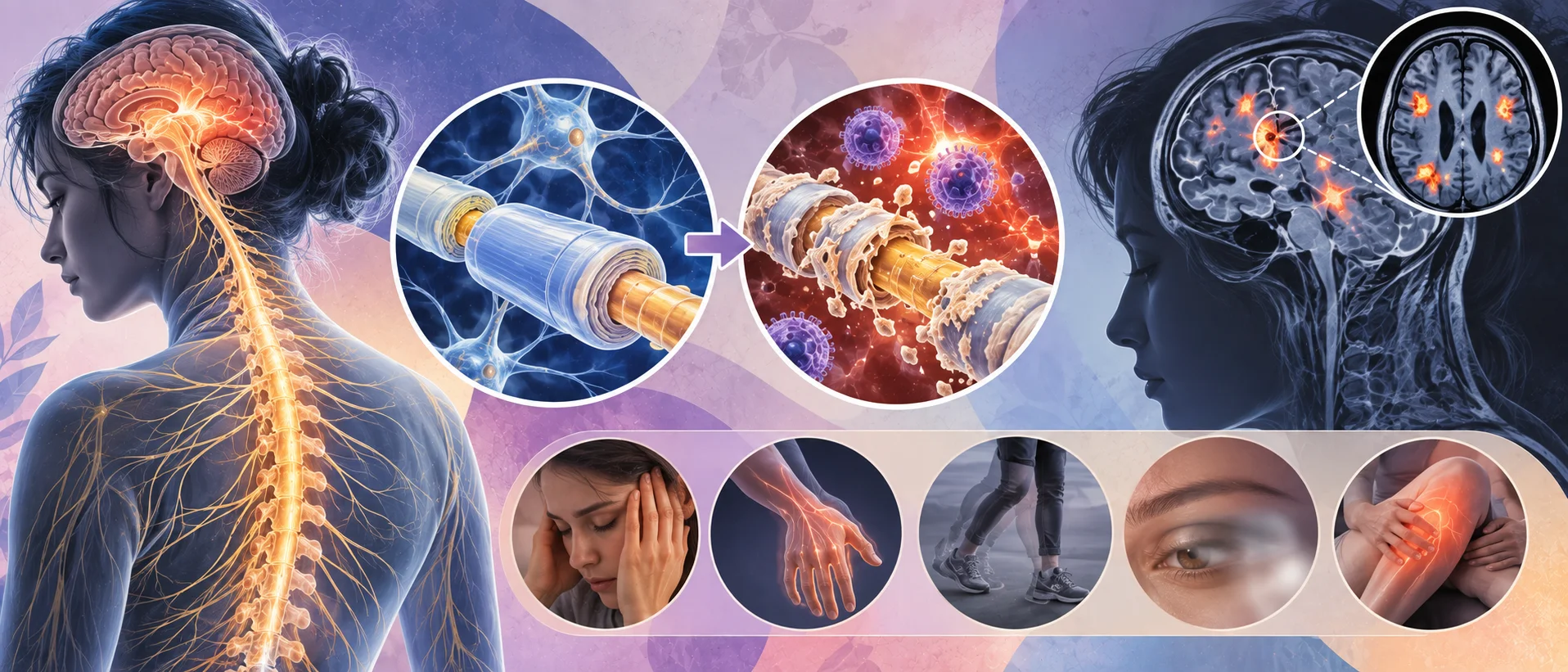
Multiple sclerosis, commonly abbreviated as MS, is a chronic condition in which the immune system mistakenly attacks the protective covering of nerve fibers within the brain and spinal cord, disrupting normal communic...
2 min read
Diseases and Disorders
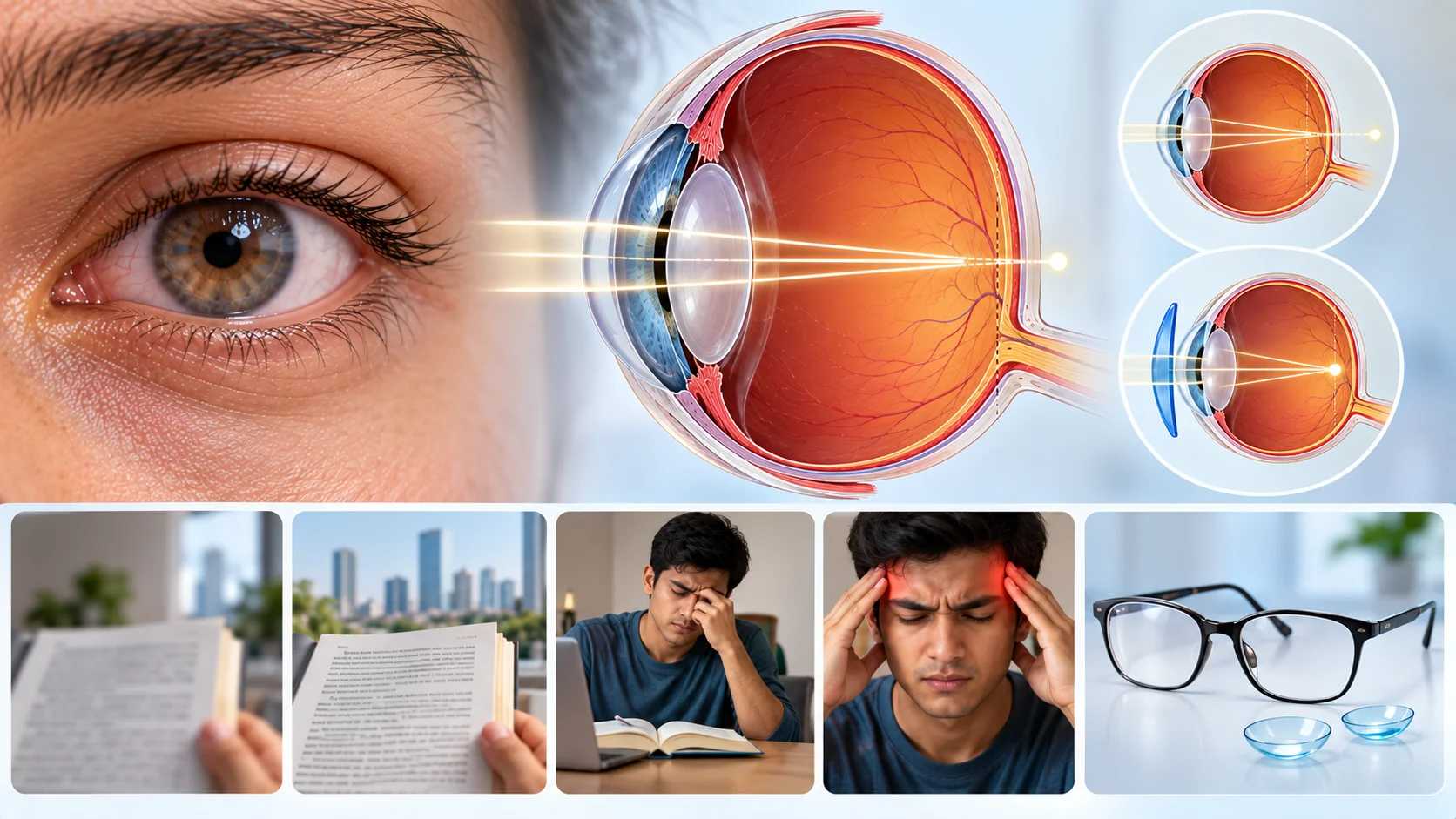
Hyperopia, commonly known as farsightedness, is a refractive error in which close objects appear blurry while distant objects may remain relatively clear.
3 min read
Diseases and Disorders
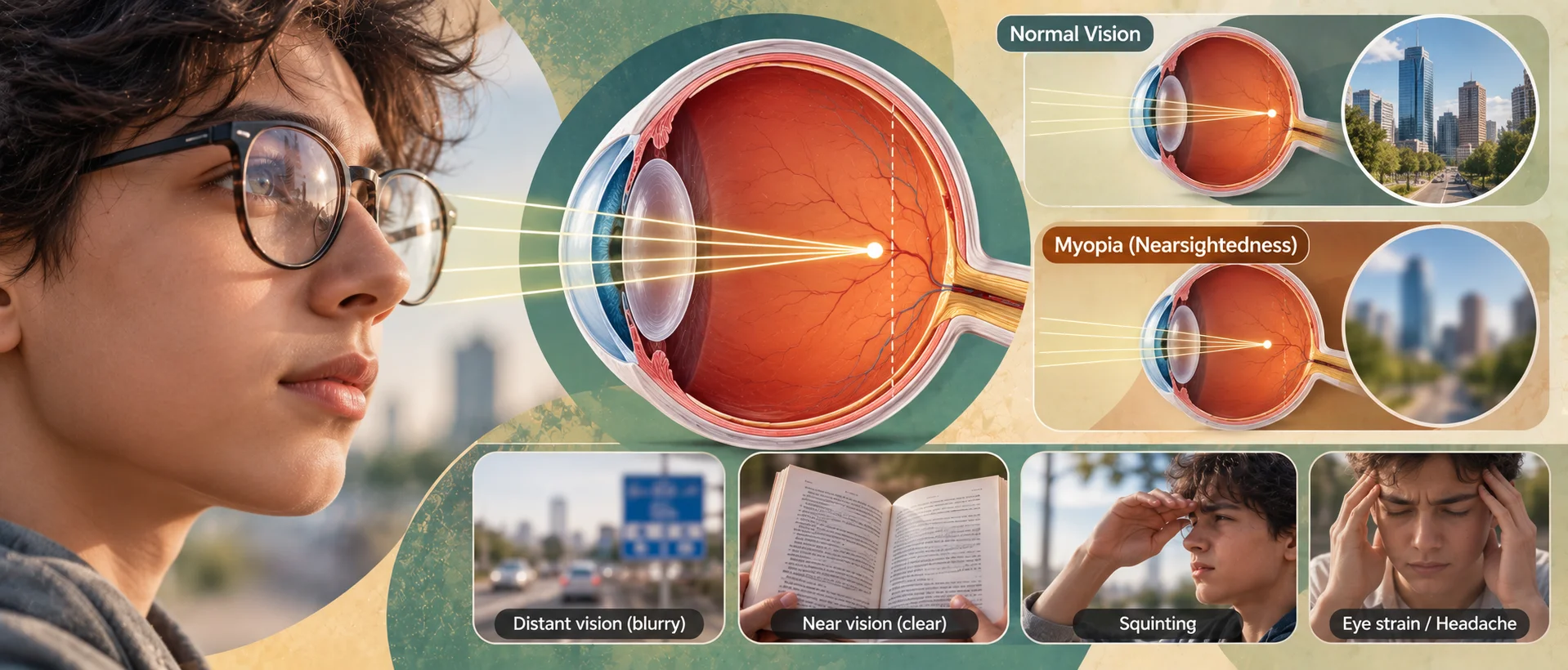
Myopia, commonly known as nearsightedness, is a refractive error in which distant objects appear blurry while close objects remain clear.
2 min read
Diseases and Disorders
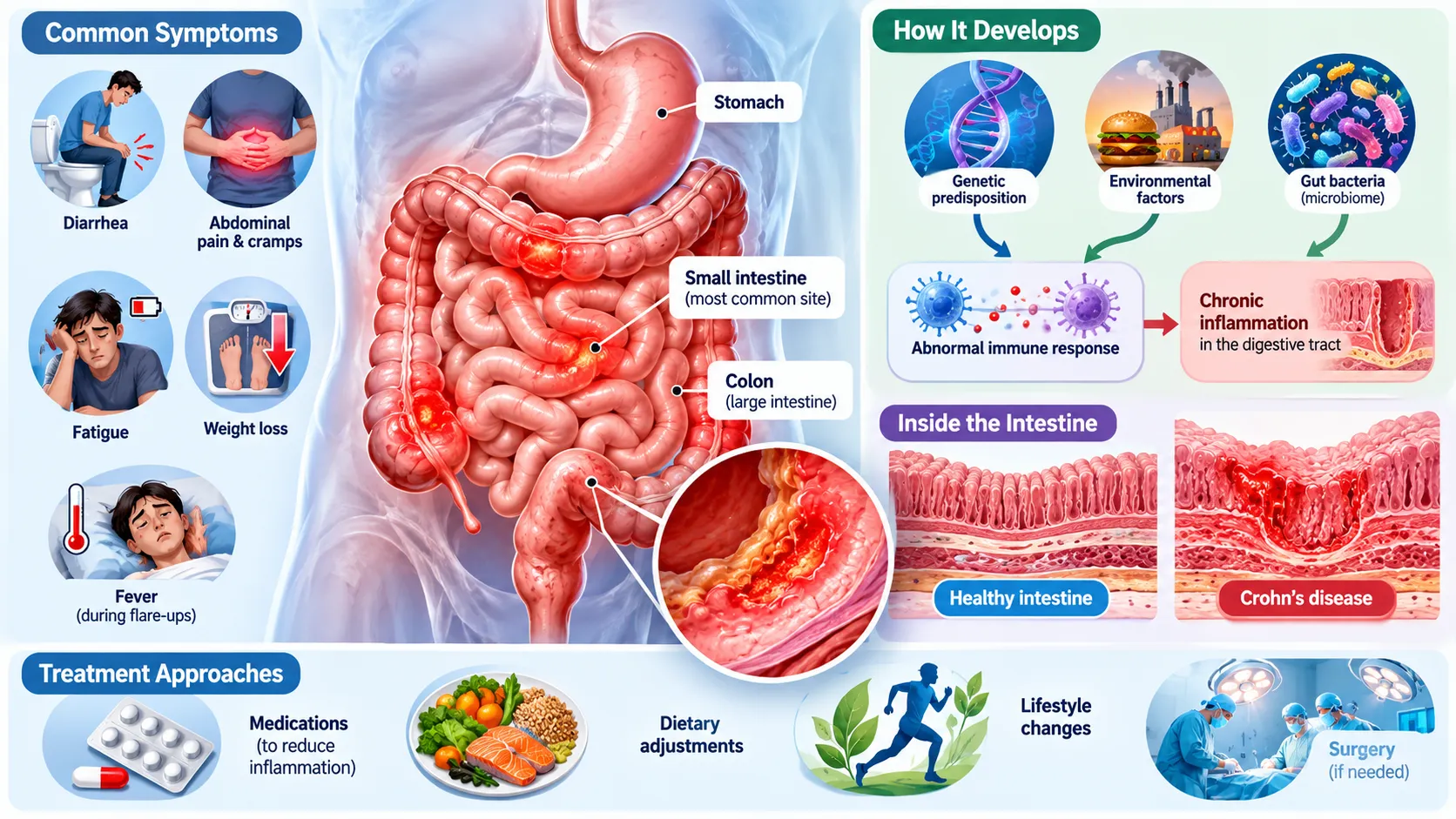
Crohn's disease is a chronic inflammatory condition affecting the digestive tract. It belongs to a broader category of conditions known as inflammatory bowel disease, and can affect any part of the digestive tract fro...
2 min read
Diseases and Disorders
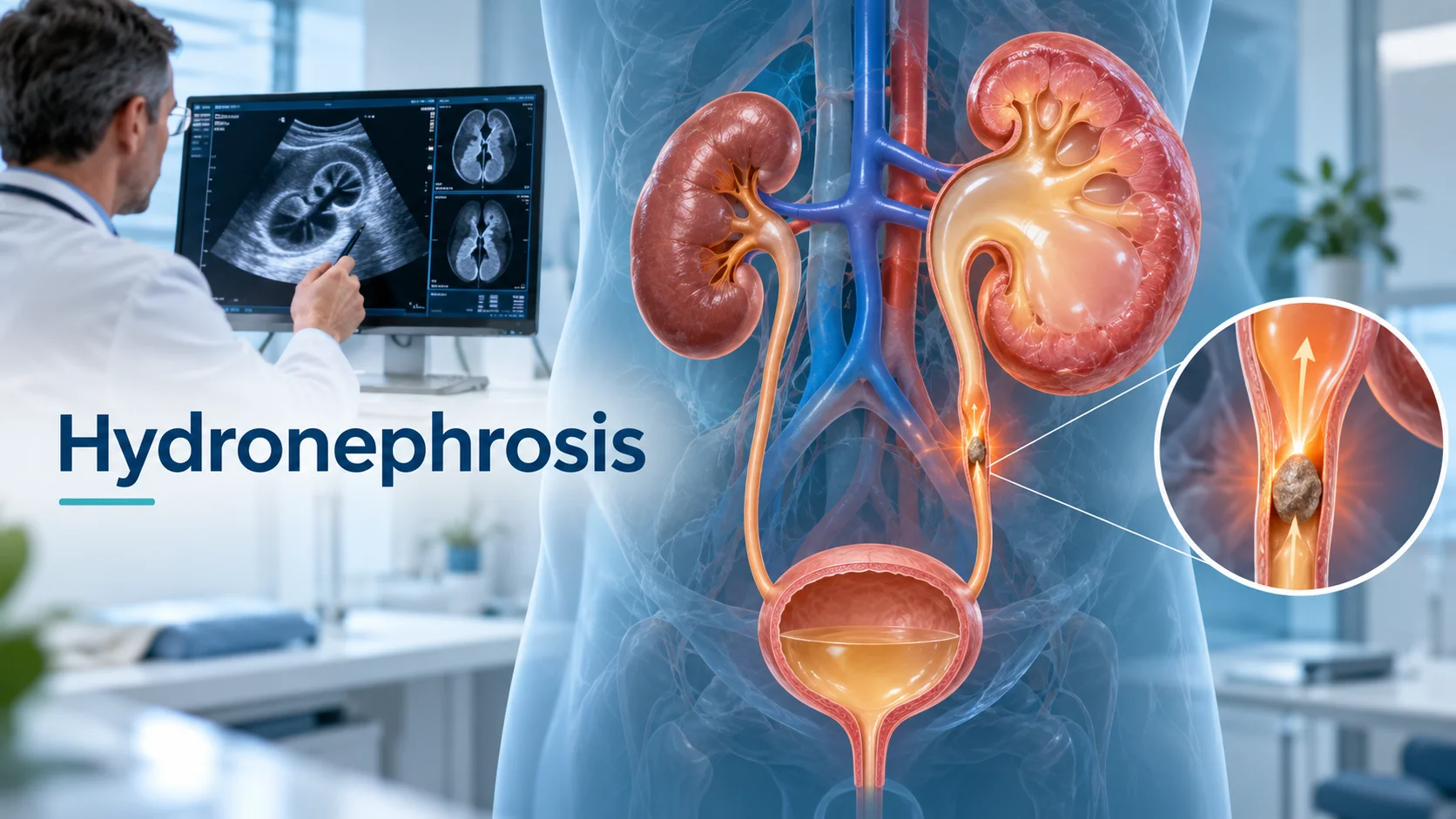
Hydronephrosis is a condition in which one or both kidneys become swollen due to a buildup of urine, typically caused by a blockage somewhere along the urinary tract.
2 min read

Diseases and Disorders
Angina refers to chest discomfort or pain that occurs when the heart muscle doesn't receive enough oxygen-rich blood, most commonly as a result of narrowed coronary arteries.
2 min read
Diseases and Disorders
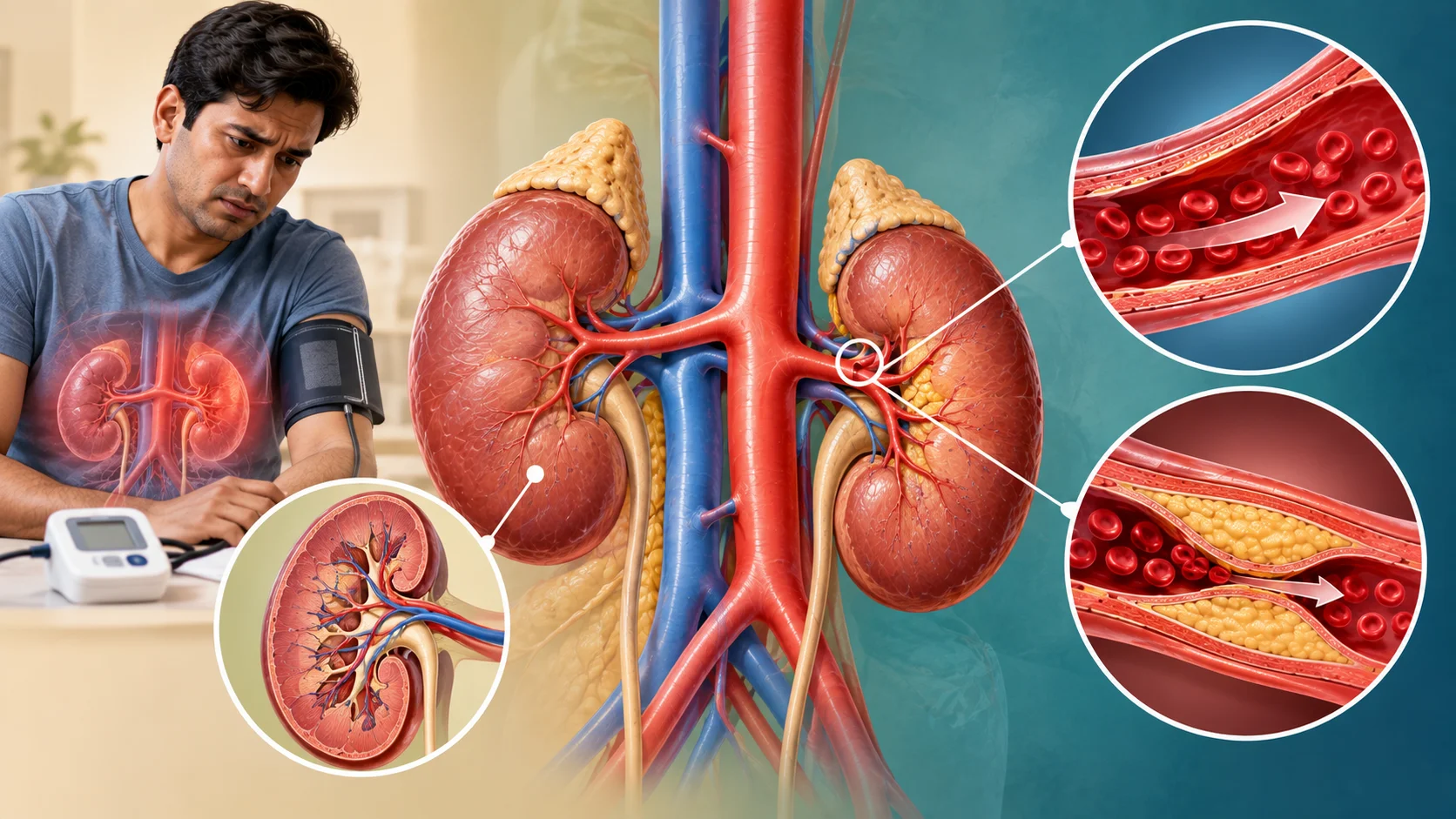
Renal artery stenosis is a narrowing of one or both of the renal arteries, the blood vessels that supply blood directly to the kidneys.
2 min read
Diseases and Disorders
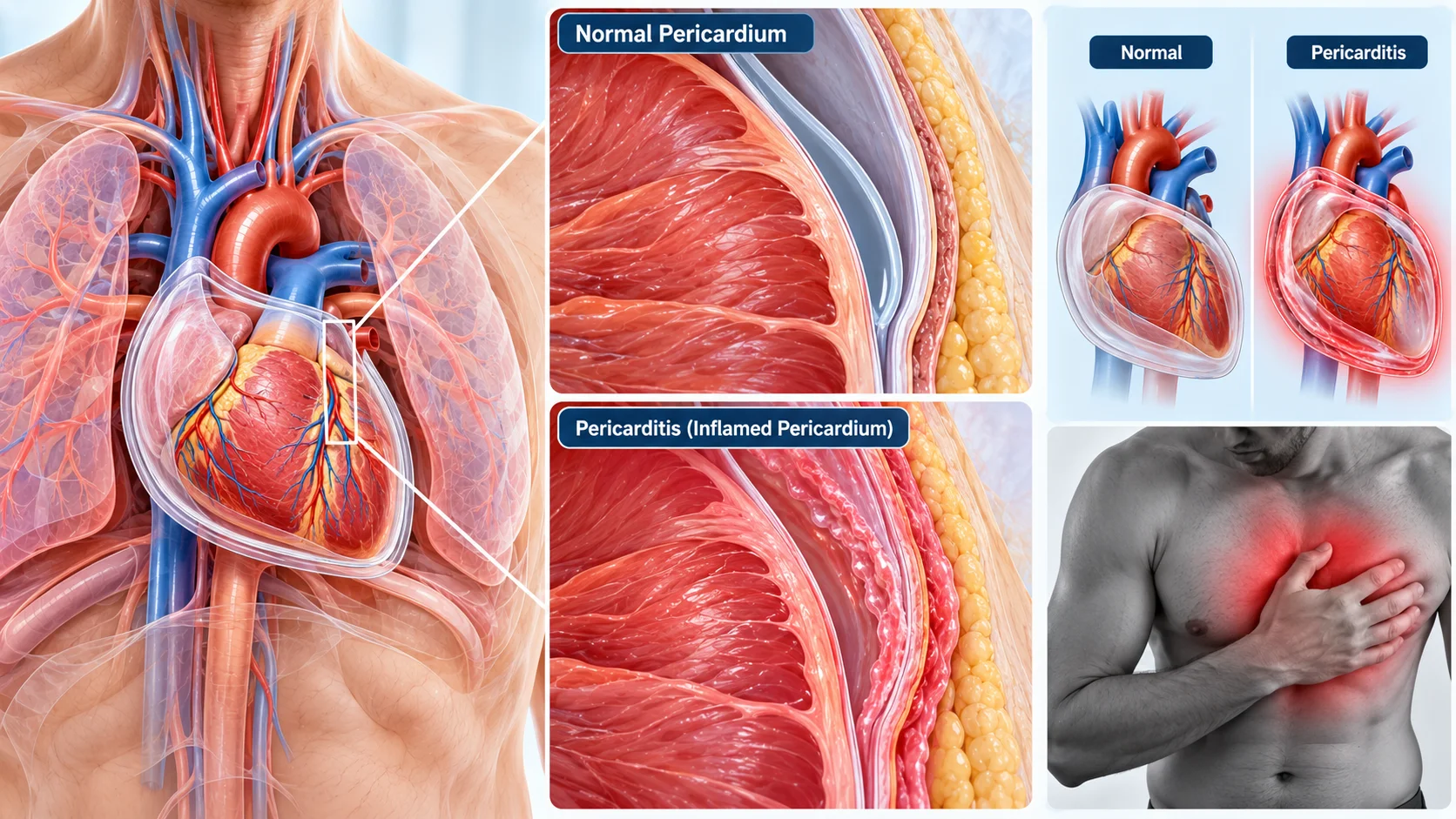
Pericarditis is inflammation of the pericardium, the thin, double-layered sac that surrounds and protects the heart.
2 min read
Diseases and Disorders
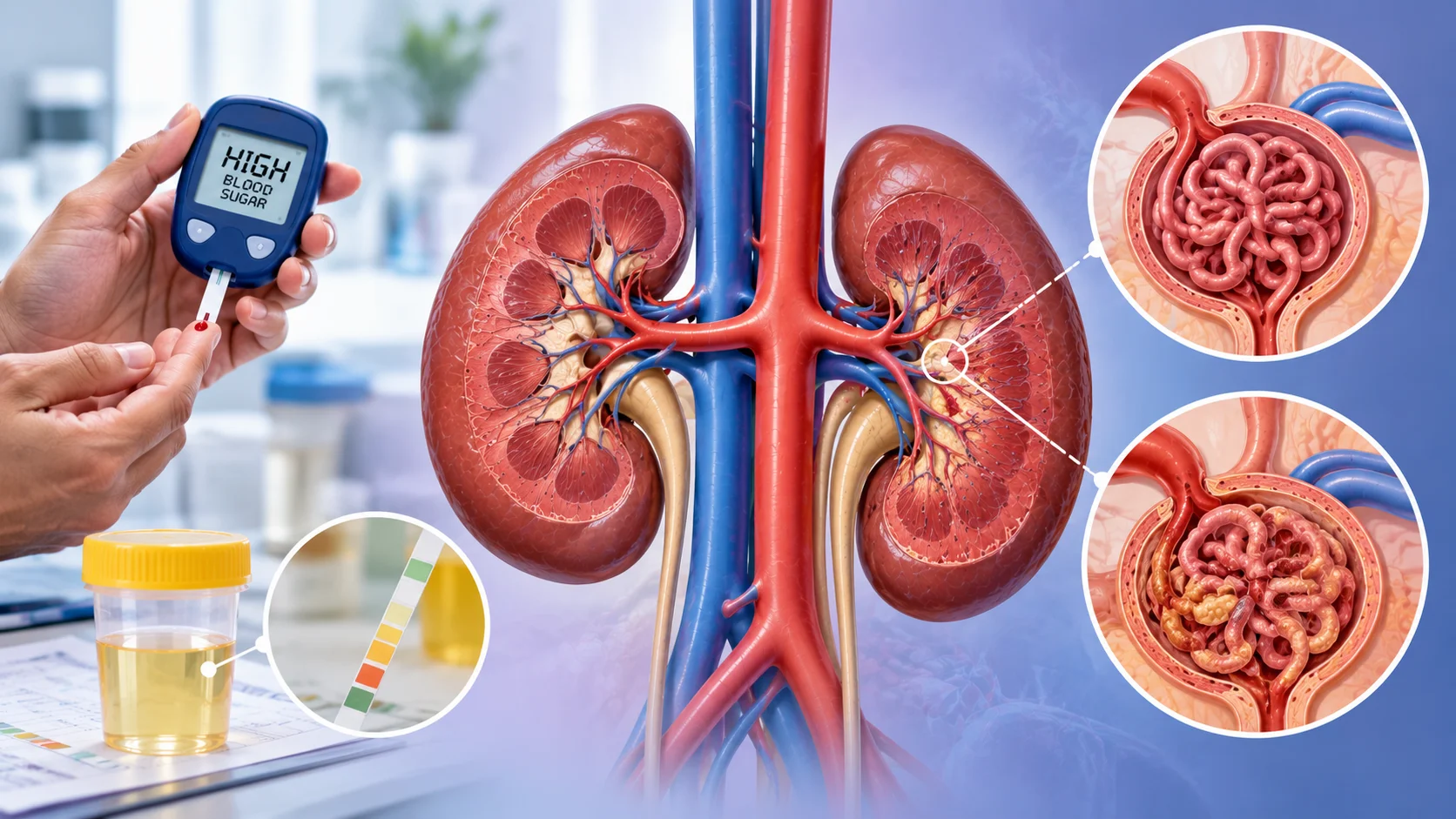
Diabetic nephropathy is kidney damage that develops as a complication of long-standing diabetes, and is one of the most common underlying causes of chronic kidney disease worldwide.
2 min read
Diseases and Disorders
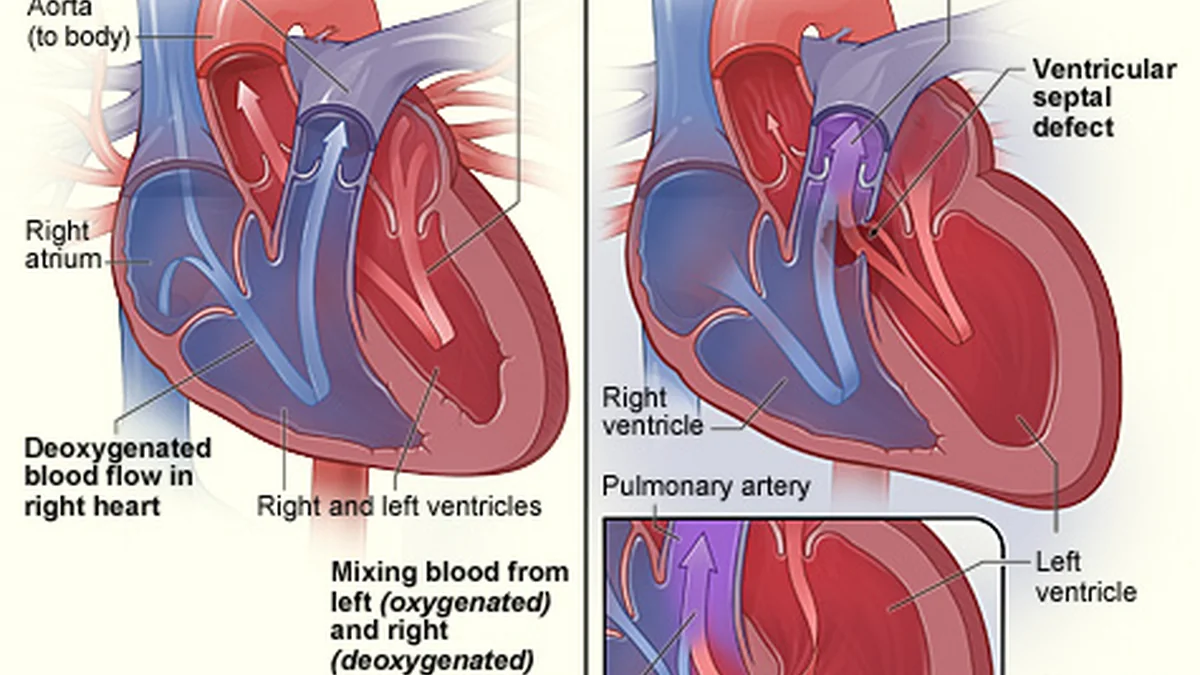
Congenital heart disease refers to structural differences in the heart that are present from birth, occurring as the heart develops during pregnancy.
3 min read
Diseases and Disorders
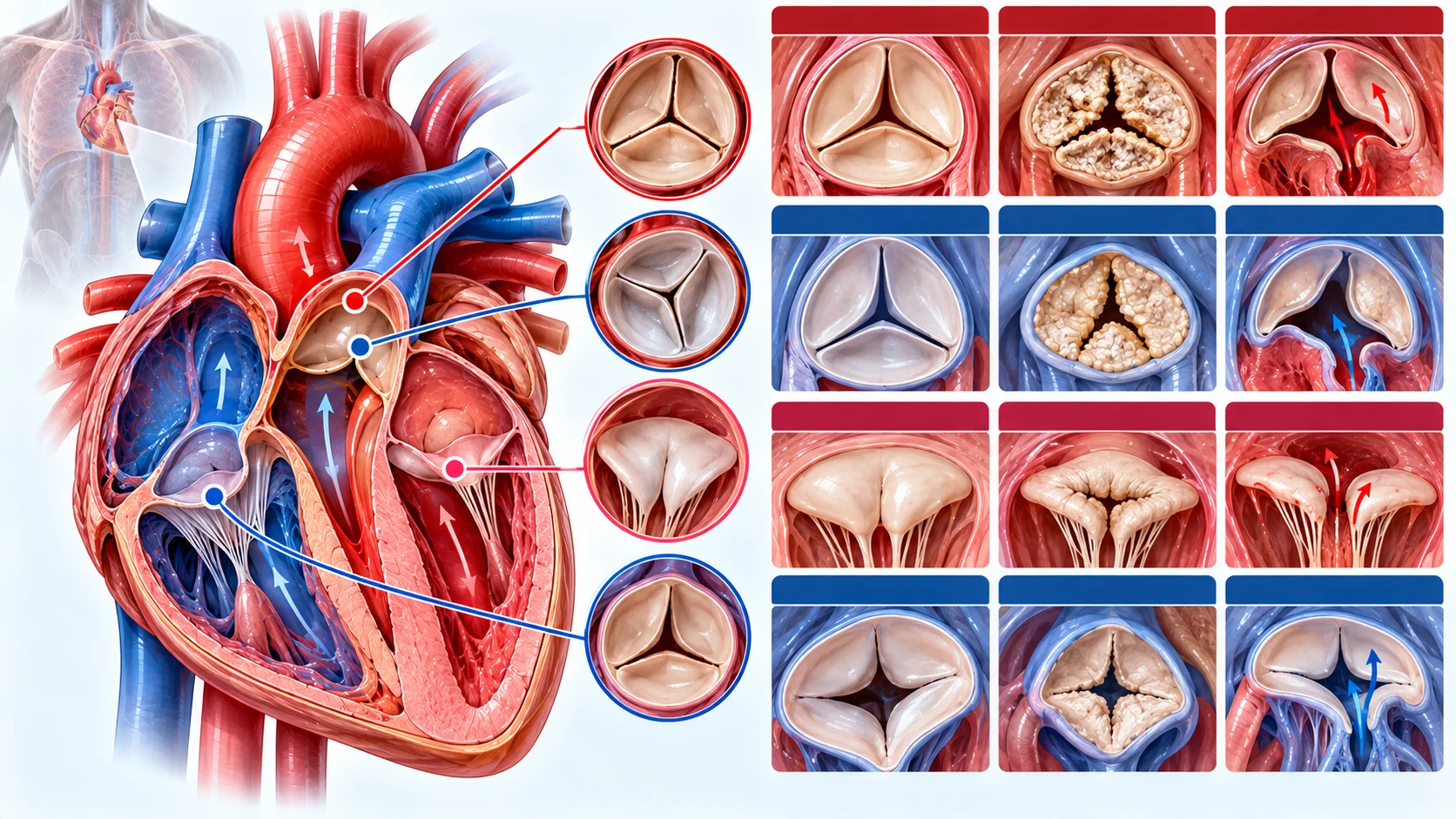
Valvular heart disease refers to conditions affecting one or more of the heart's four valves, which normally open and close in a coordinated way to keep blood flowing in one direction through the heart.
2 min read
Diseases and Disorders
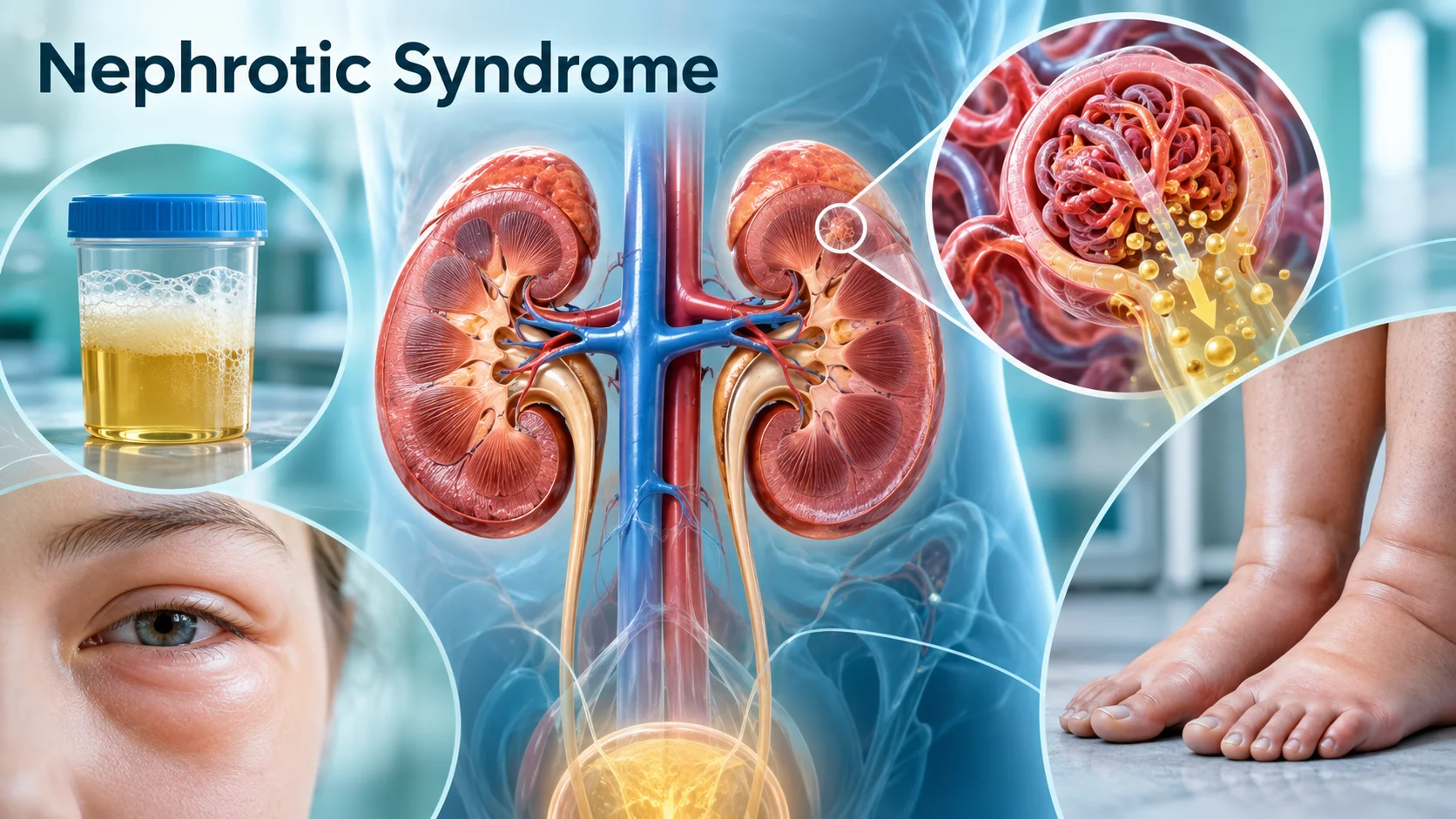
Nephrotic syndrome is a condition characterized by a specific pattern of kidney problems, primarily involving the loss of significant amounts of protein into the urine due to damage in the kidneys' filtering units.
2 min read
Diseases and Disorders
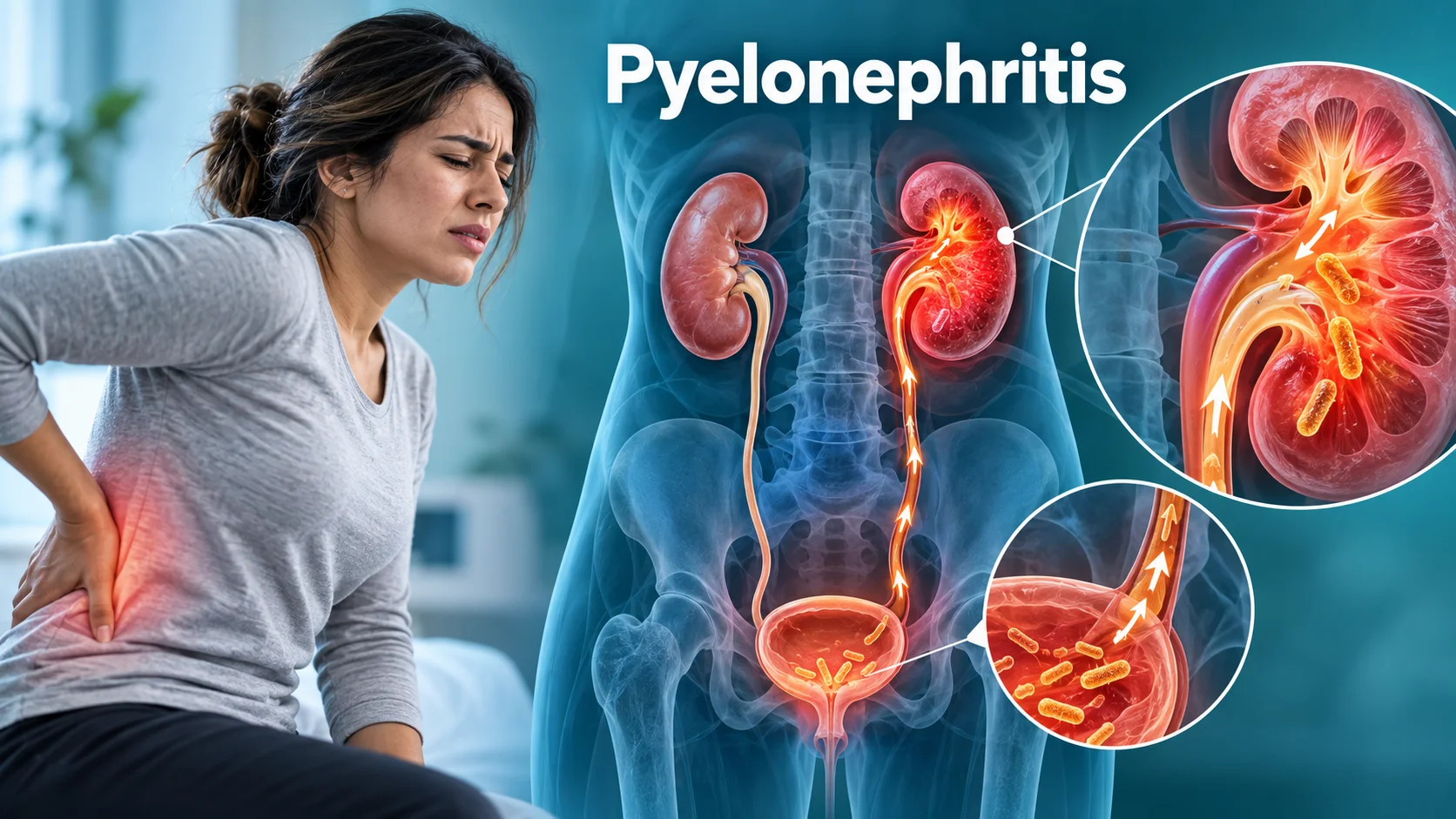
Pyelonephritis is an infection of one or both kidneys, most commonly caused by bacteria that have spread upward from the lower urinary tract.
2 min read
Diseases and Disorders
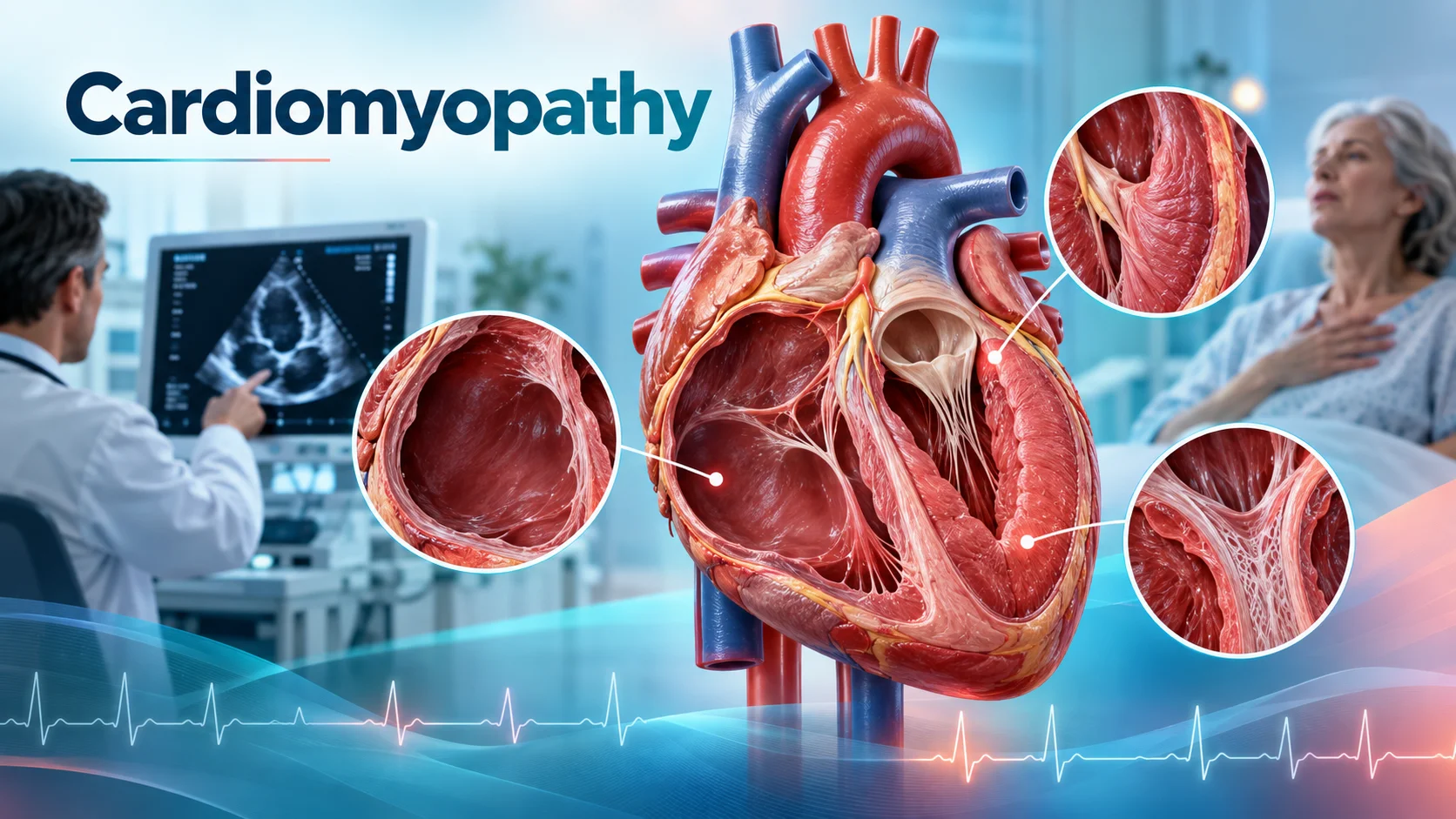
Cardiomyopathy refers to a group of conditions that directly affect the heart muscle itself, making it harder for the heart to pump blood effectively.
2 min read
Diseases and Disorders
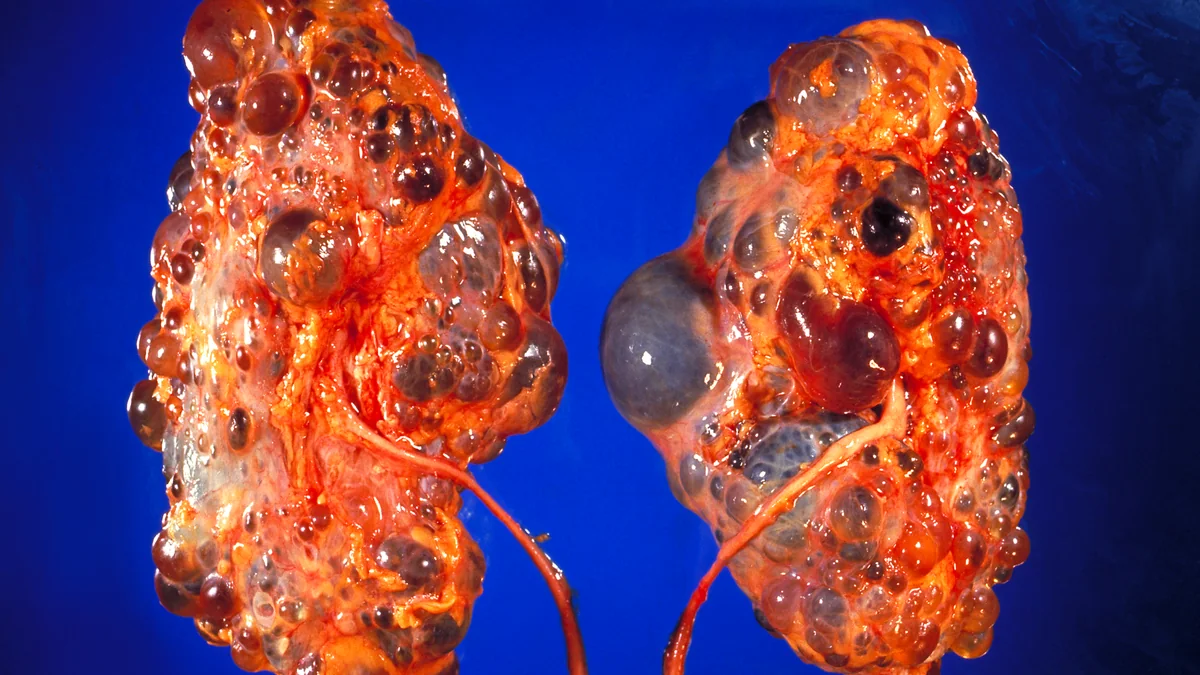
Polycystic kidney disease is a genetic condition in which numerous fluid-filled cysts develop within the kidneys, gradually enlarging them and affecting their function over time.
3 min read
Diseases and Disorders
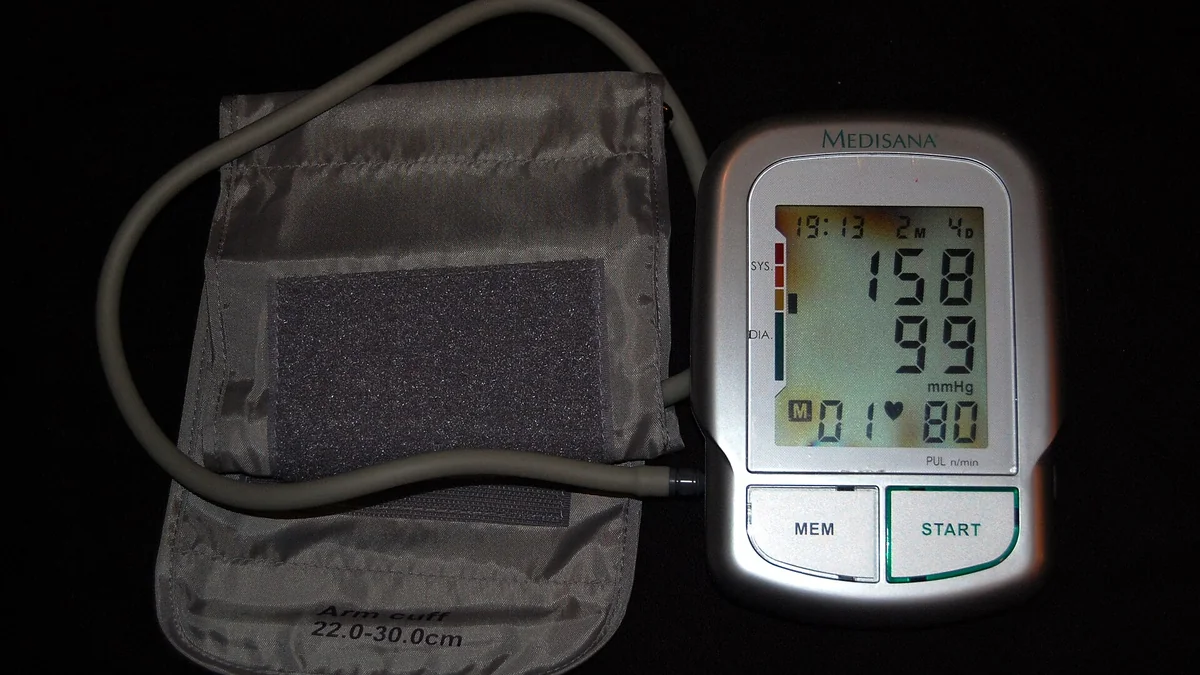
Hypertensive heart disease refers to a group of heart-related problems that develop as a result of long-standing high blood pressure, also known as hypertension.
3 min read
Diseases and Disorders
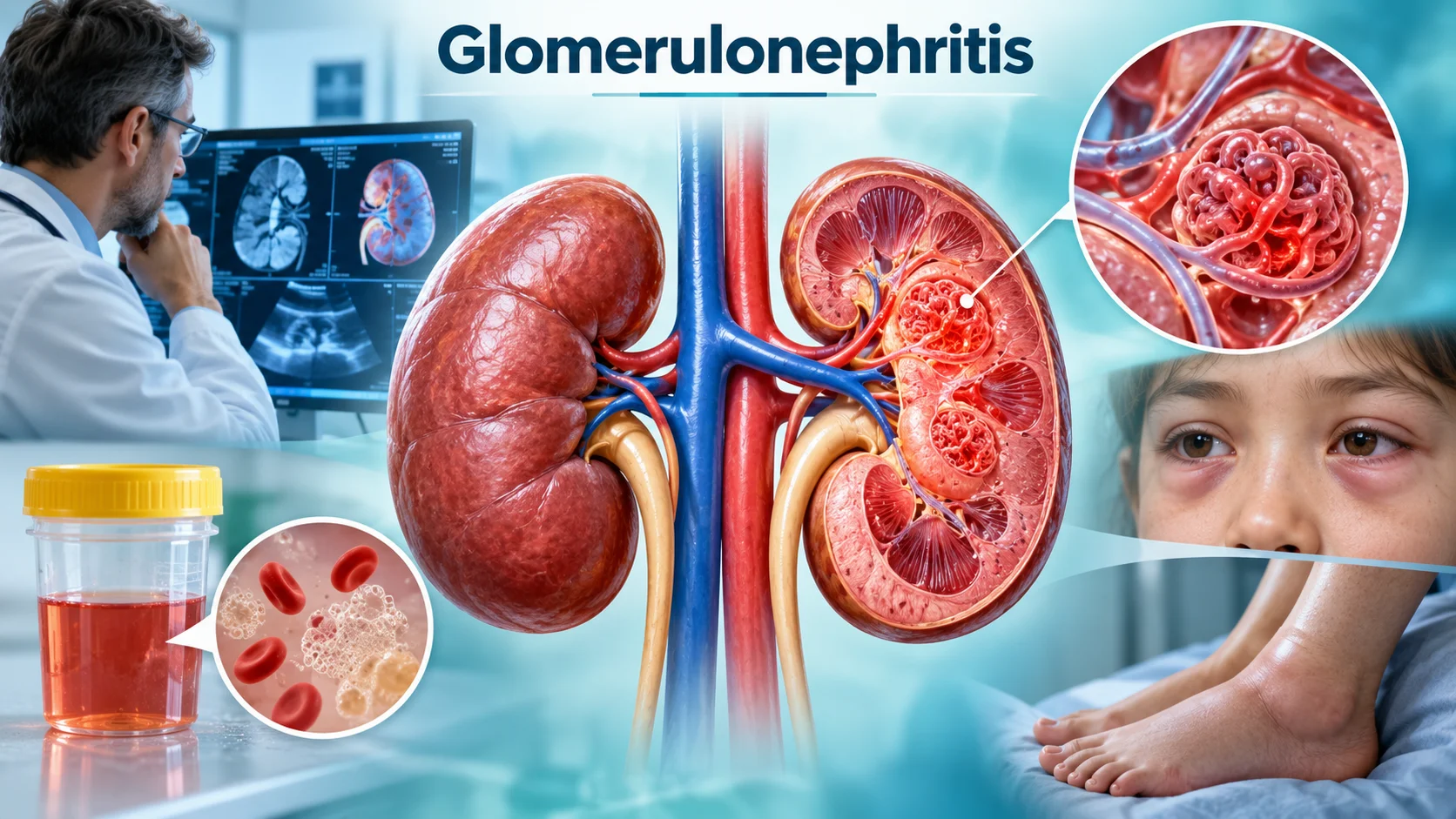
Glomerulonephritis is inflammation of the glomeruli, the tiny filtering units within the kidneys responsible for removing waste and excess fluid from the blood.
2 min read
Diseases and Disorders
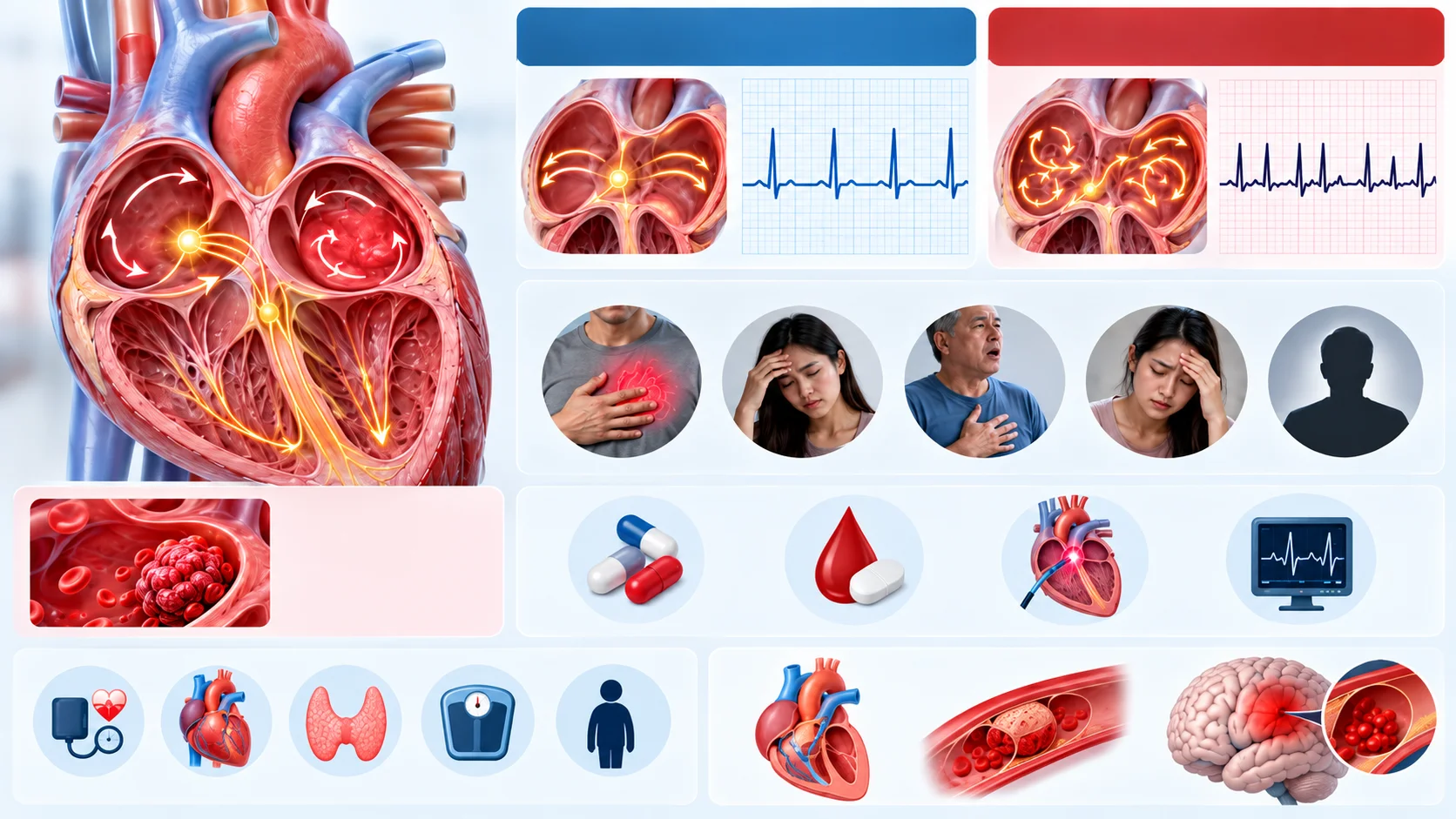
Atrial fibrillation, often referred to as AFib, is a condition involving an irregular and often rapid heart rhythm, originating in the heart's upper chambers, called the atria.
2 min read
Diseases and Disorders
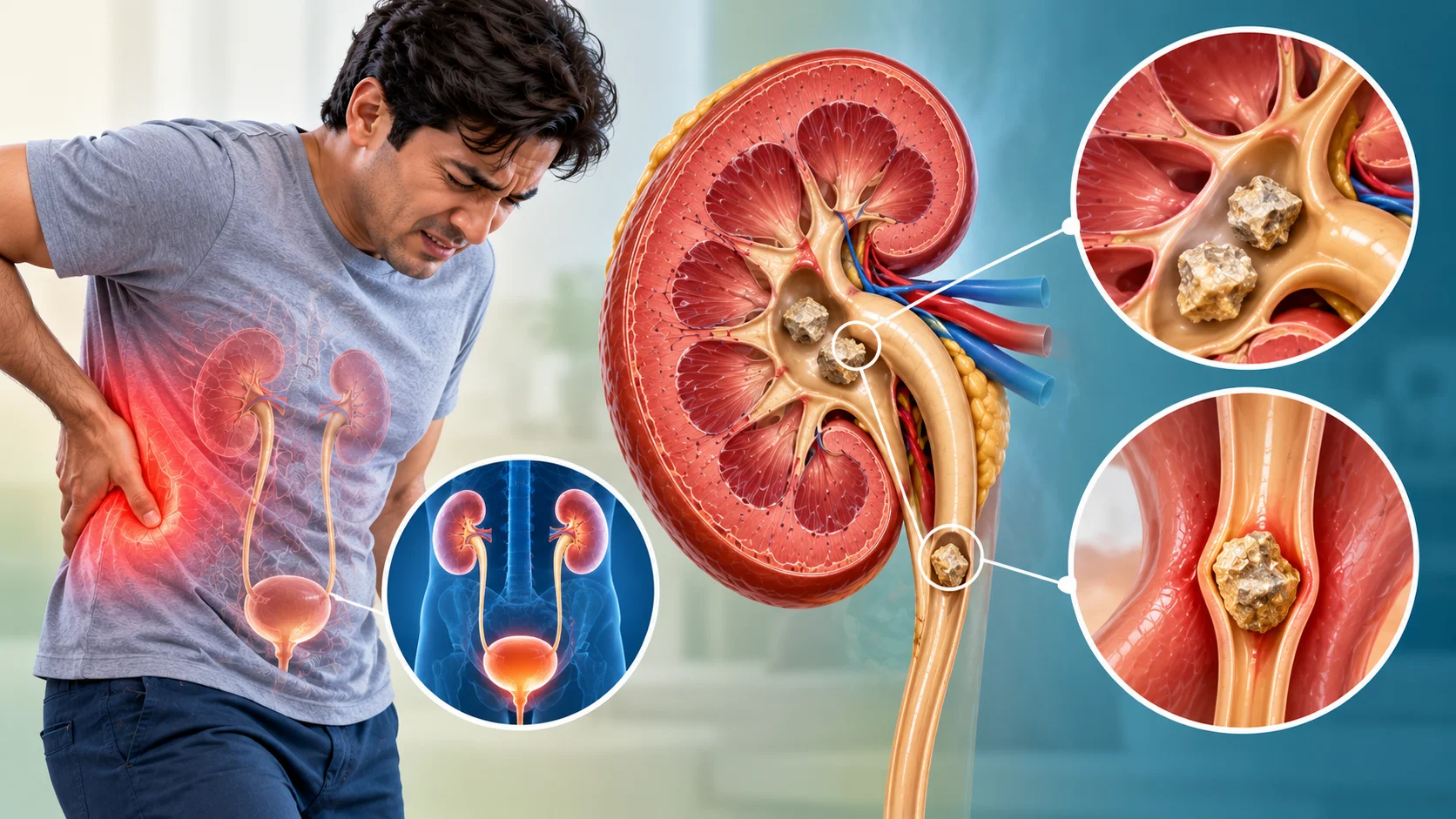
Kidney stones are hard deposits made of minerals and salts that form inside the kidneys, ranging in size from tiny grains to considerably larger formations.
2 min read
Diseases and Disorders
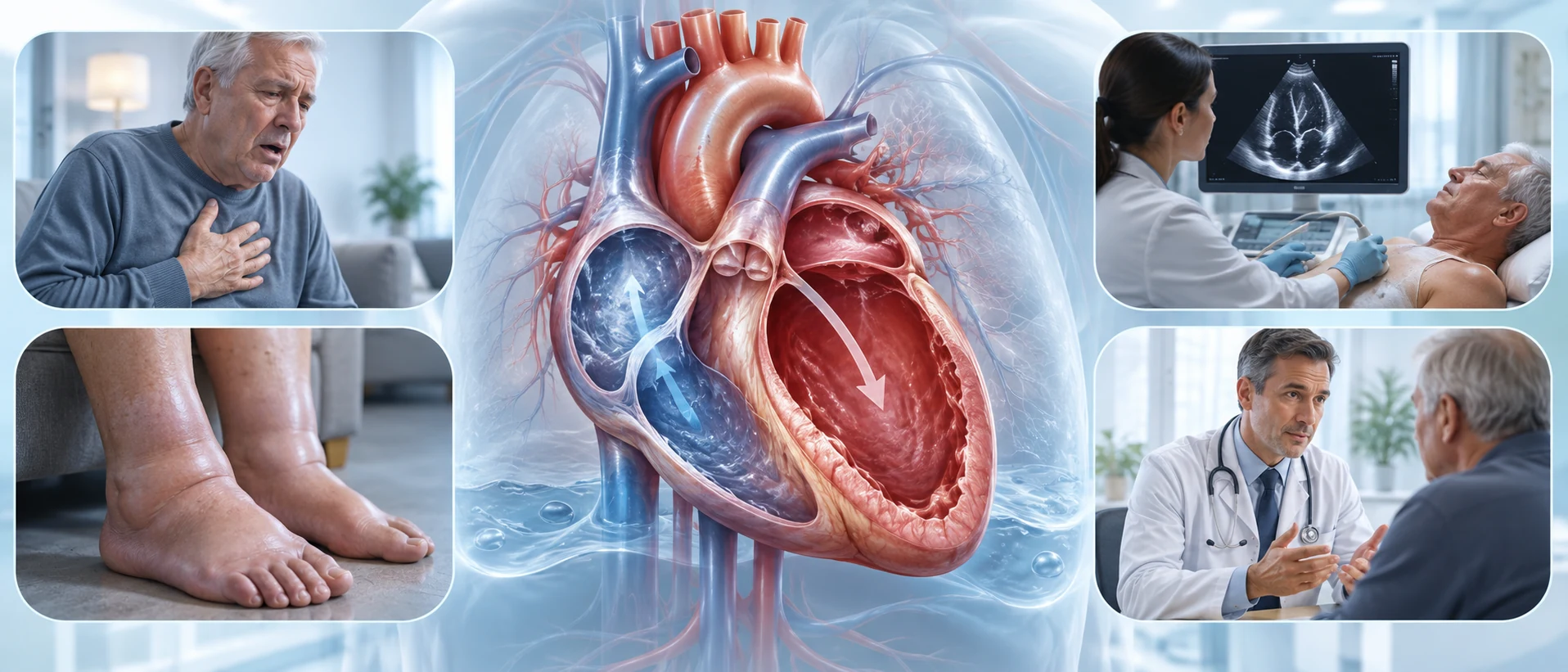
Heart failure is a condition in which the heart isn't able to pump blood as effectively as the body needs. Despite its name, it doesn't mean the heart has stopped working, but rather that it's working less efficiently...
3 min read
Diseases and Disorders
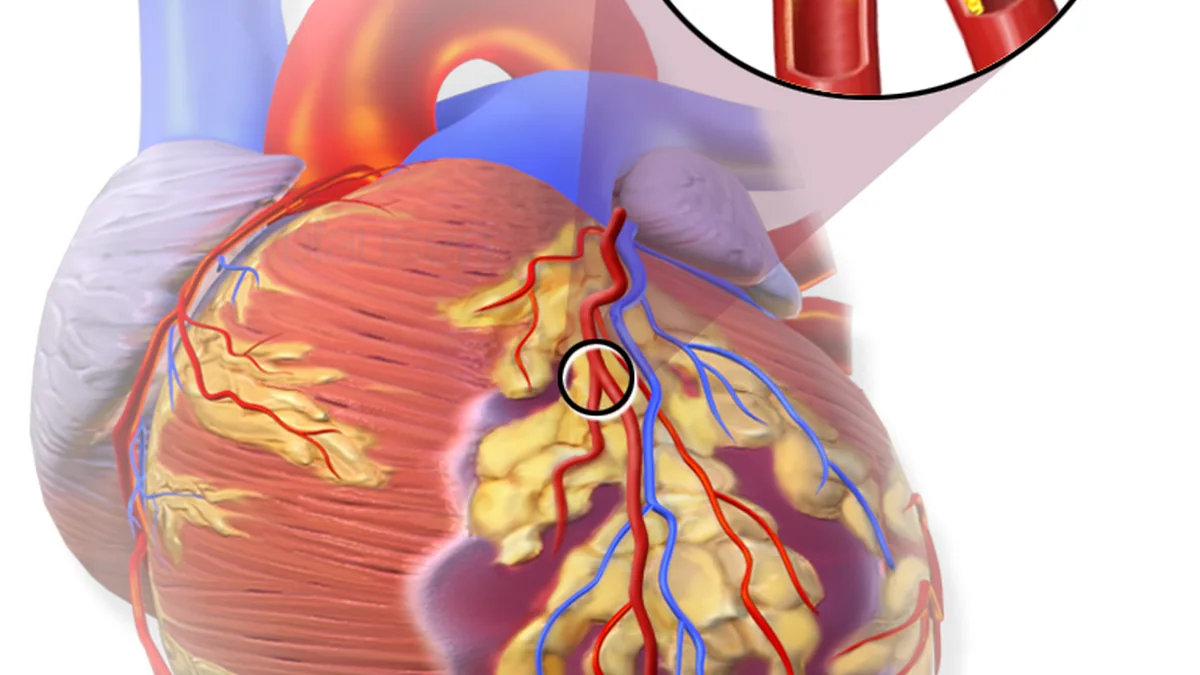
A heart attack, medically known as a myocardial infarction, occurs when blood flow to a part of the heart muscle is suddenly blocked, preventing that portion of the heart from receiving the oxygen it needs.
3 min read
Diseases and Disorders
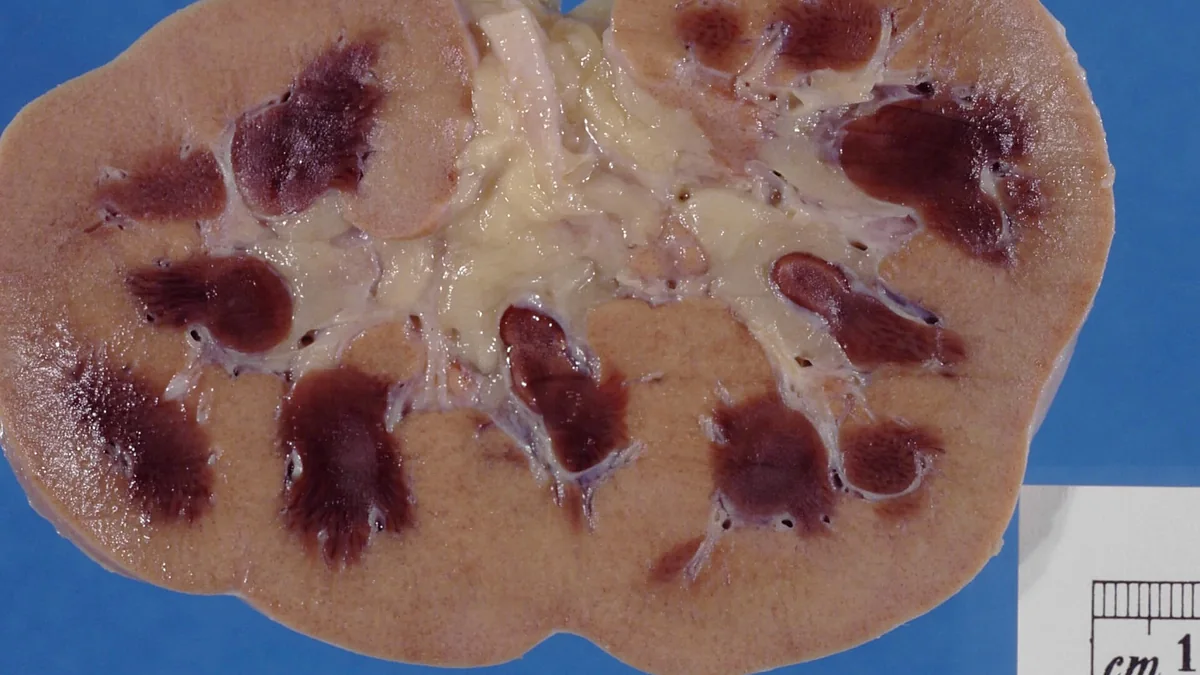
Acute kidney injury is a sudden decline in kidney function, developing over a period of hours to days, in contrast to the gradual decline seen in chronic kidney disease.
3 min read
Diseases and Disorders
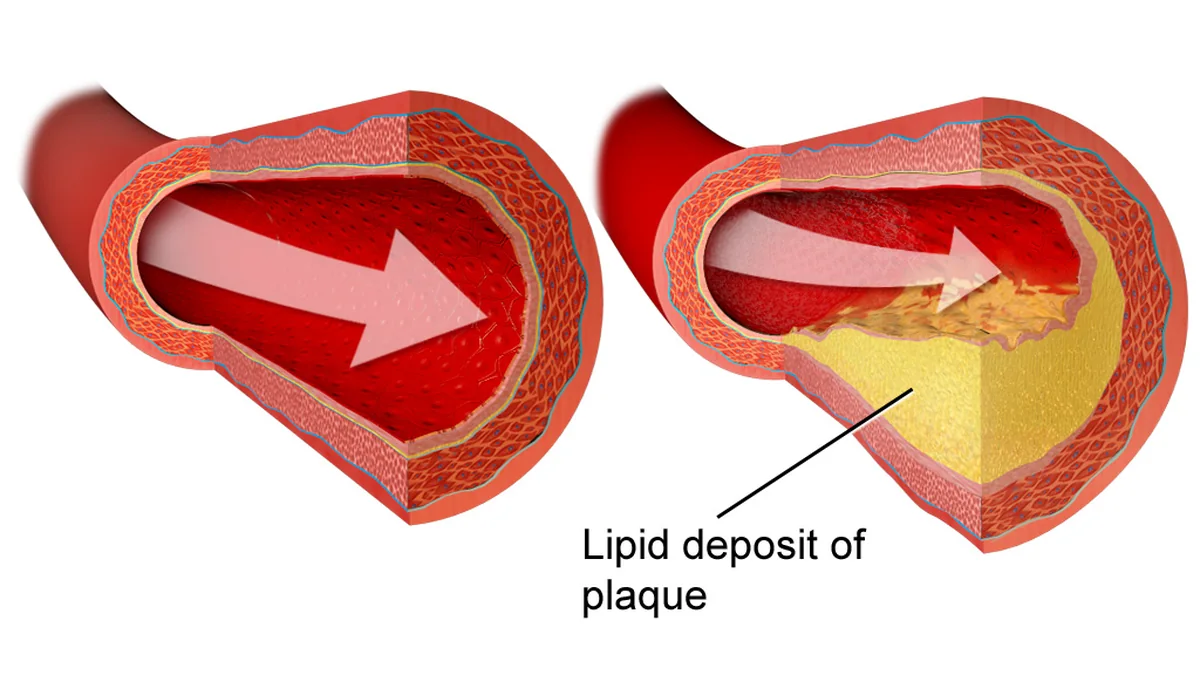
Coronary artery disease is a condition in which the blood vessels supplying the heart muscle, called coronary arteries, become narrowed or blocked. It's one of the most common heart conditions worldwide.
3 min read
Diseases and Disorders
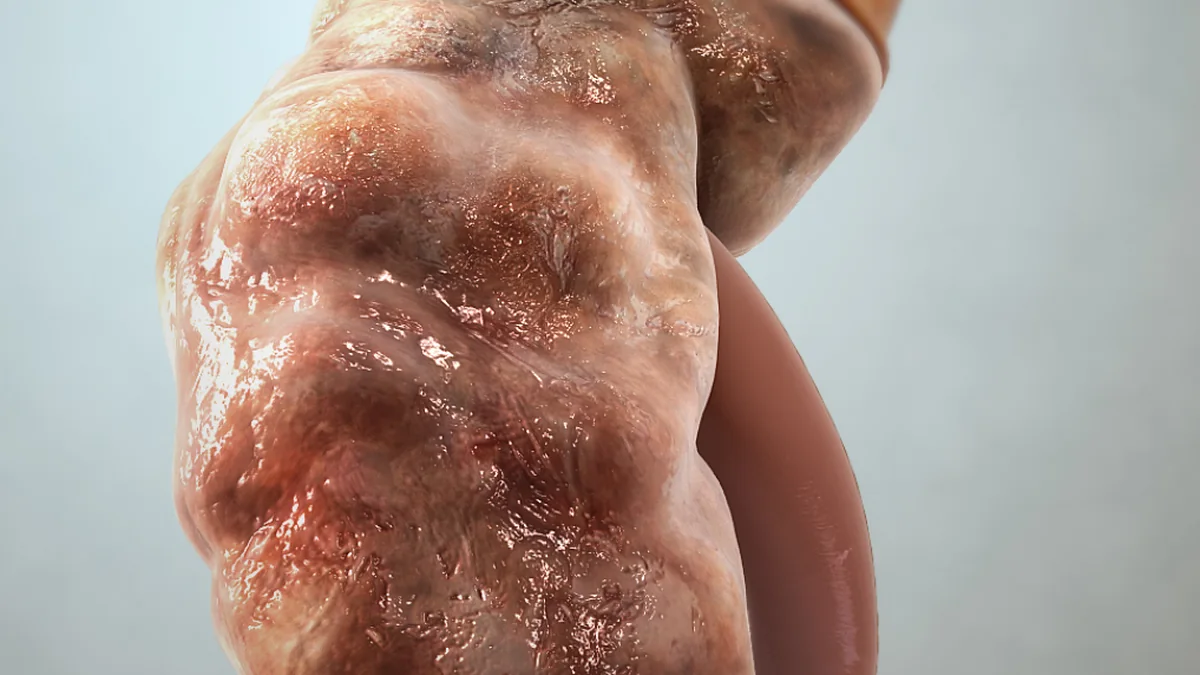
Chronic kidney disease is a condition in which the kidneys gradually lose their ability to filter waste and excess fluid from the blood effectively, over a period of months to years.
3 min read